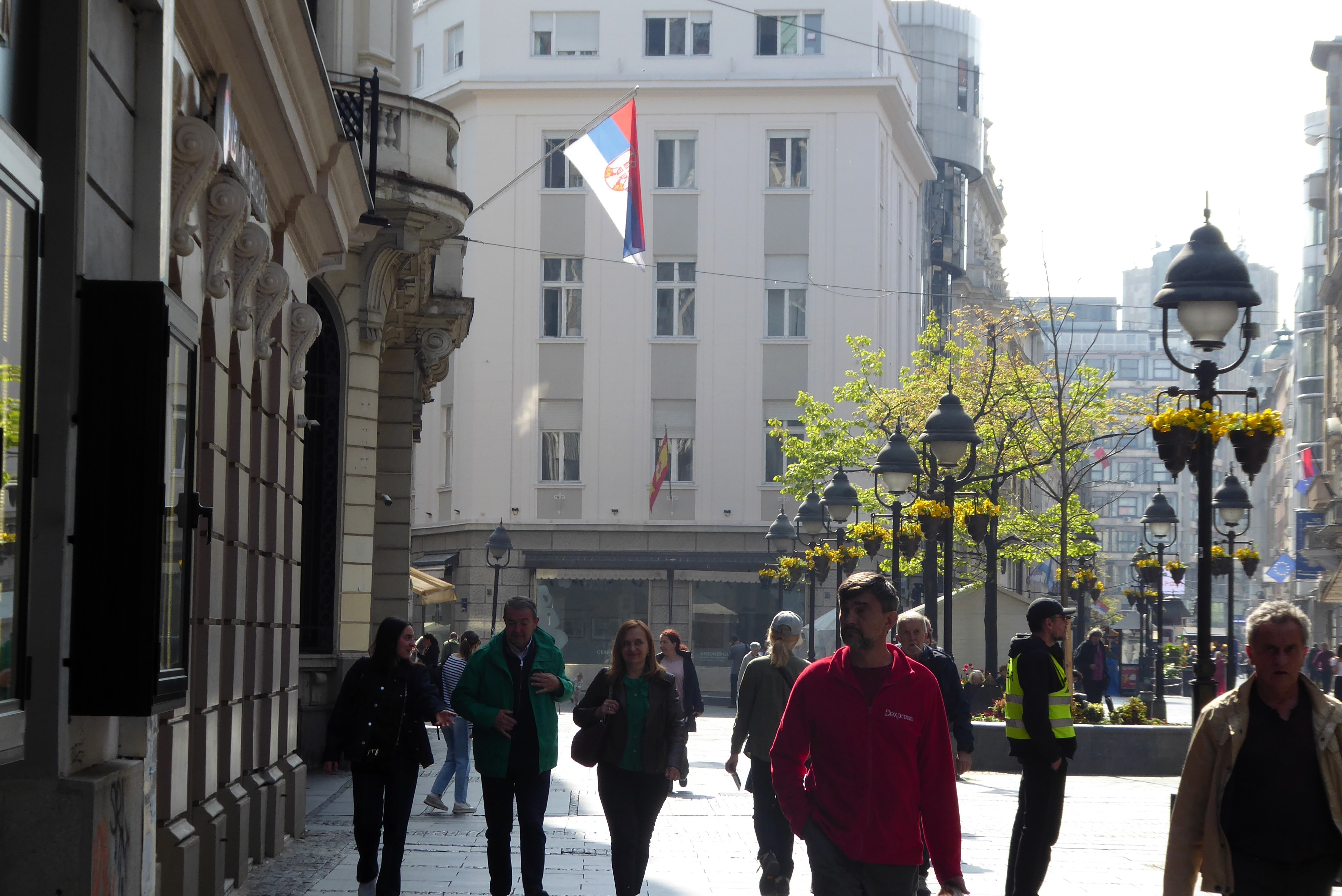
It would be hard to think of another city in Europe which has had such a tortured history as the city of Belgrade, the capital of Serbia – and that’s saying something, given Europe’s long past of internecine conflict involving empire, nationalism, ethnicity, language, culture – and of course, religion.
However, even in those toxic stakes, Belgrade occupies a unique position.
Endlessly, over the centuries, the city has been destroyed and rebuilt and then destroyed again – it has been at the epicentre of war, hate and intolerance – and also: defiance, protest and rebellion.
A short history of Belgrade:
Settled by the Slavic people in the sixth century.
Conquered and occupied by the Byzantines followed by the Franks, the Bulgarians and the Hungarians.
1284 – reconquered by a Serbian king
1427 – reconquered by a Hungarian king.
1521 – after years of being under siege, conquered by the Turkish Ottoman army representing a new force in The Balkans: Islam. The Ottomans destroy Belgrade and the entire Christian Orthodox population is deported to Istanbul, site of the world’s largest slave market.
Then Belgrade reconquered by the Austria-Hungarian Hapsburgs.
In 1594, a major Serb rebellion crushed by the Ottomans.
Belgrade reconquered and then lost three times by the Habsburgs; each time, the city is rebuilt and then destroyed.
At the beginning of the 19th century, Belgrade predominantly inhabited by a Muslim population. In 1807 Serbian drive off the Ottomans and the Moslems and hold Belgrade from 1807 until 1813, when it is retaken by the Ottomans.
1867, the Ottomans withdraw.
1878 Serbia declares its independence and Belgrade becomes the capital of the Balkans.
1914 First World War: Austria -Hungary allied with Germany, declares war on Serbia.
Belgrade occupied. Retaken by Serbian troops. Retaken by the Germans and Belgrade destroyed.
1918, Belgrade retaken by allied troops. After the war, Belgrade rebuilt and grows quickly, the population increasing rapidly.
World War II
1941 Belgrade bombed by Nazis killing thousands of people. The Balkan invaded by Nazis. Massacres of Belgrade citizens for resistance. Jews shot and Belgrade declared a ‘Jew Free City’. Nazi commander Böhme rigorously enforces rule that for every German killed, 100 Serbs to be shot.
Belgrade destroyed by German and allied bombing.
1944, liberated by the Communist partisans led by Tito.
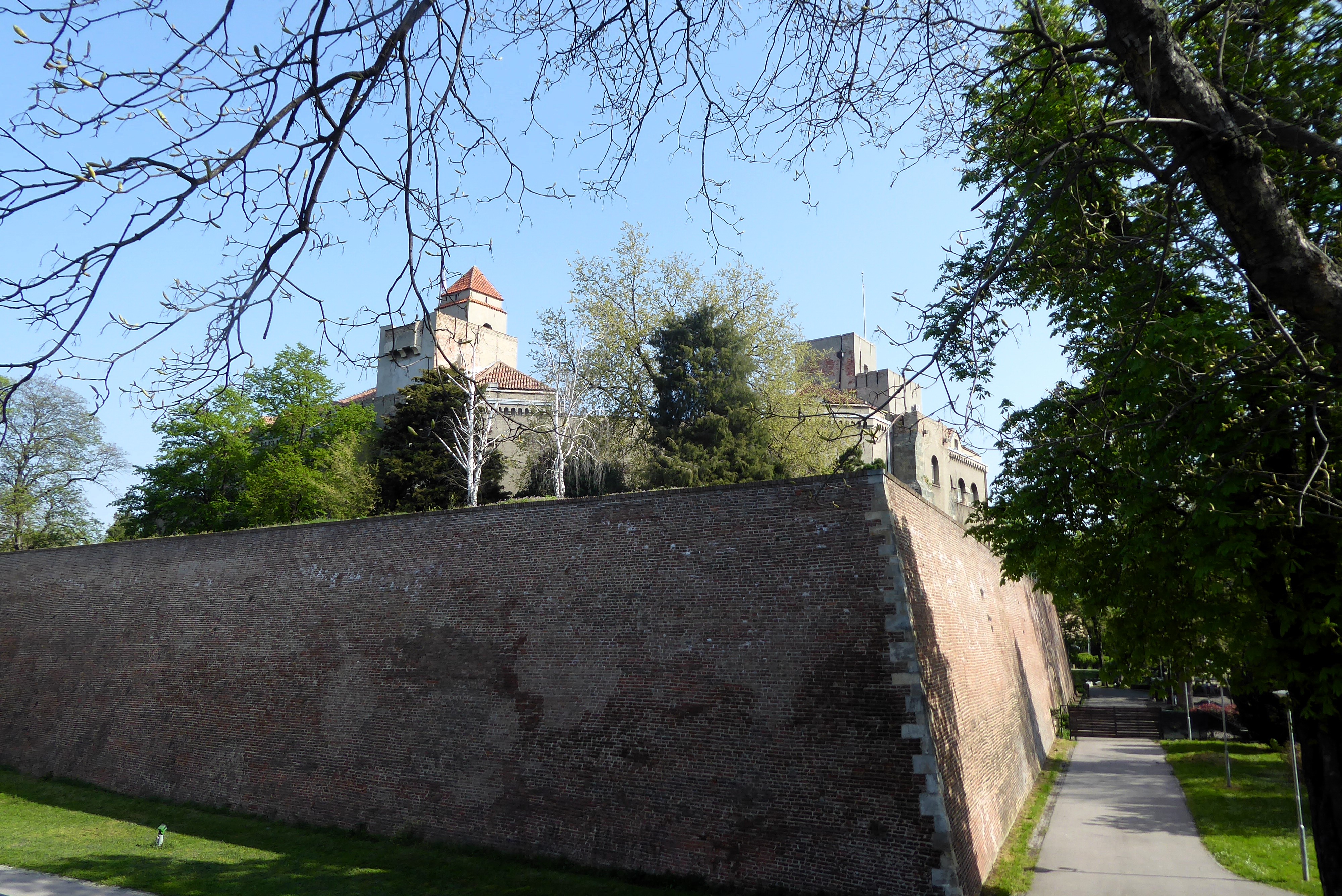
In the course of its tortured history beginning in the 6th Century, Belgrade has been battled over in 115 wars and razed 44 times.
It’s a record that’s hard to beat.
In modern times, Belgrade is the scene of a very different kind of turbulence: civilian protest.
It began during the war in the Balkan, when large numbers of Serbian people demonstrated against the military’s monsters in the form of Milosevic, Mladic and Karadzic. Whilst the latter got all the publicity at the time, the international media ignored the fact that there were massive civilian protests by Serbians against the military and its supporters.
In recent times however, the demonstrations are focused on government corruption, cronyism and blatant attempts to subvert democratic norms.
And crucial in these new protests is the involvement of Gen Z.
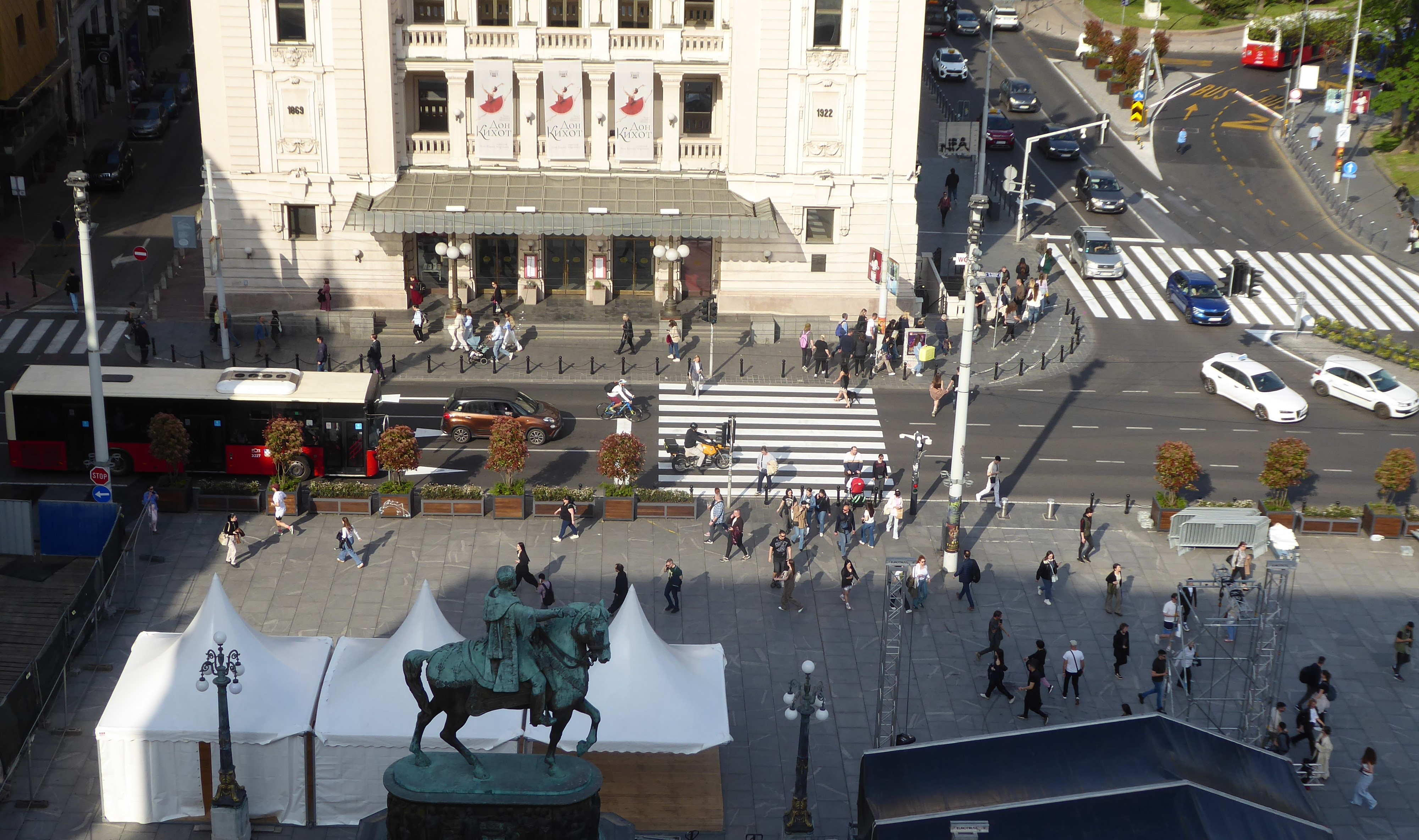
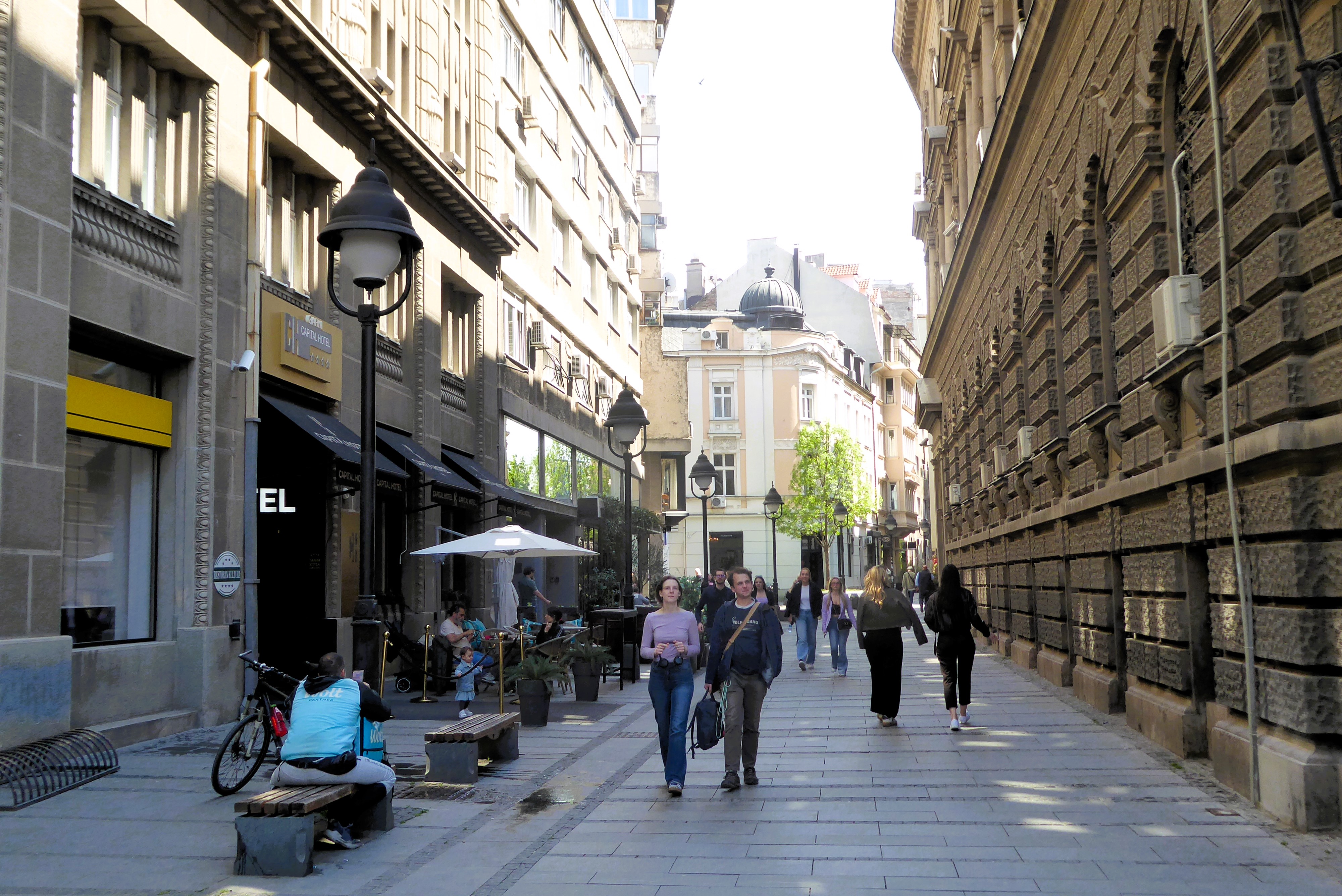
When we arrived in Belgrade, it was just before the start of the tourist season – most tourists being from Eastern European nations – the city was deserted in the mornings and by midday, most of the people in the city or its nearby parklands (where there is a rather unimpressive fort) were young Serbians. A few weeks later, the city was thriving with tourists.
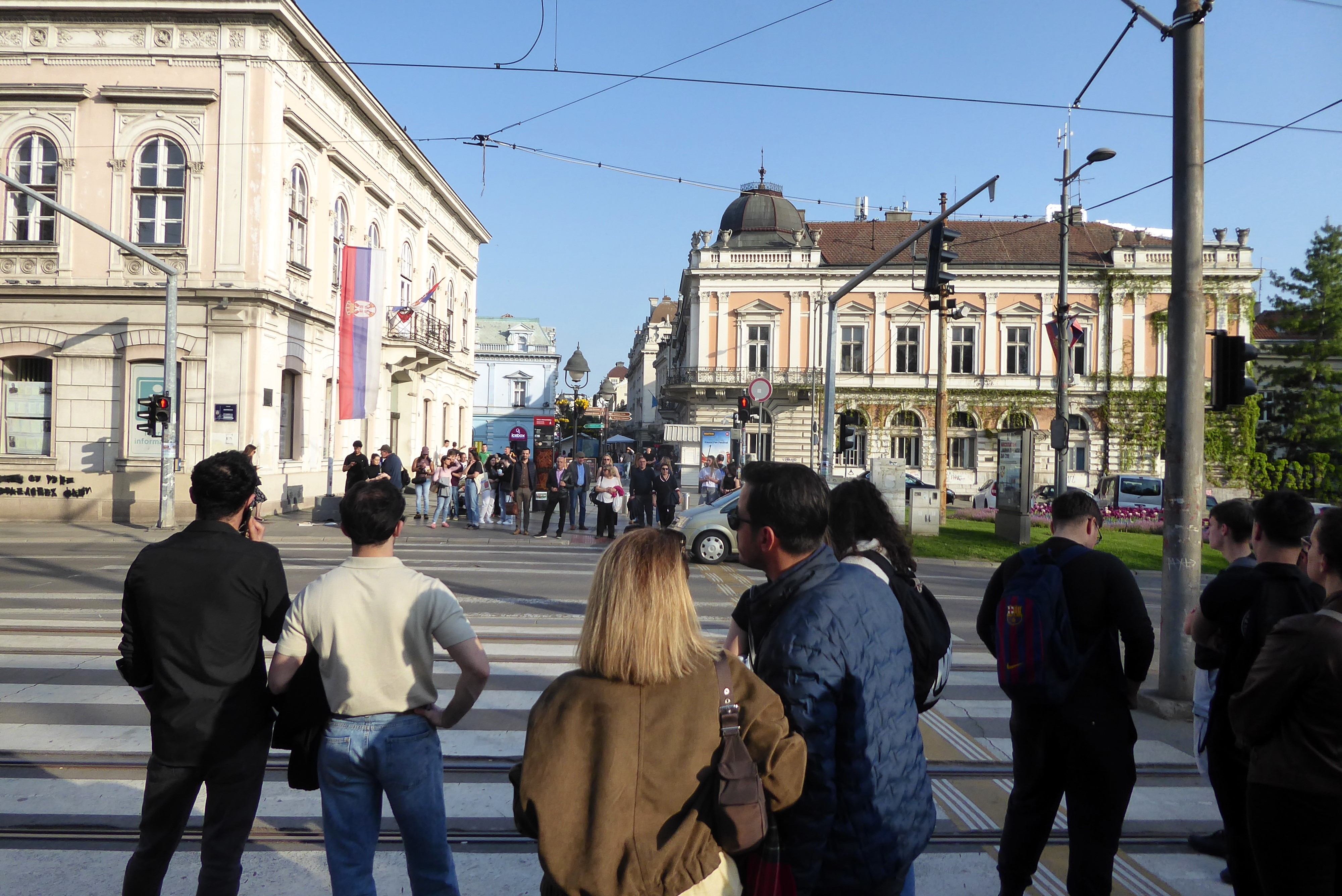
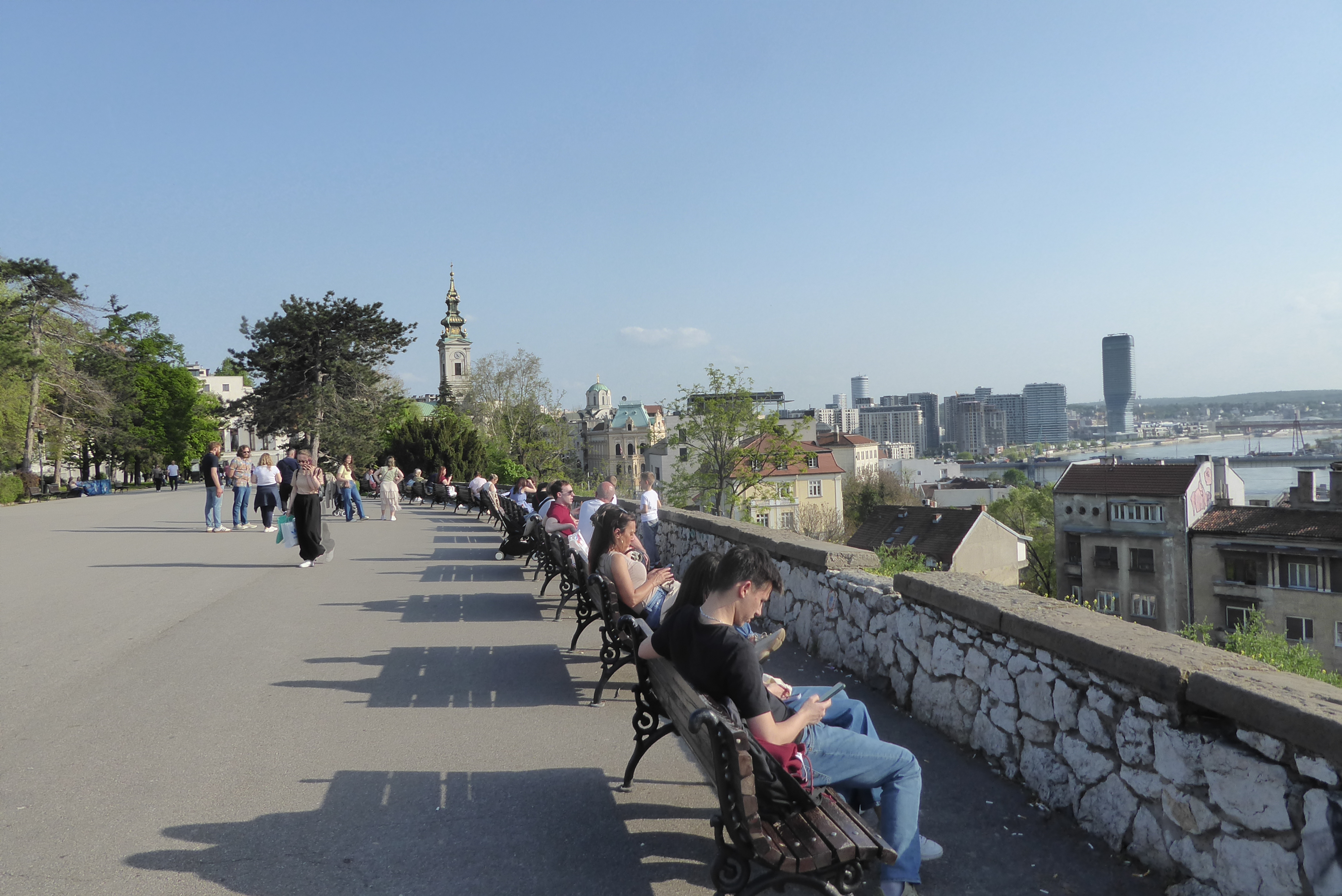
During that first stay in Belgrade, it struck me that it was this younger generation which spelt trouble for the entrenched political elite, which was notoriously corrupt, anti-democratic, patently authoritarian, and allied to Russia and China -thereby negating any chance of ever being able to join the EU.
Whilst elsewhere, the younger generations are apolitical or at the least, only marginally involved, in Serbia the situation is different.
A quick excursion on the net confirmed my tourist impressions.
According to AI:
‘Generation Z in Belgrade (born roughly 1997–2012) is emerging as a powerful, politically active, and tech-savvy force that has broken the stereotype of being apathetic or solely digital-focused. Following the tragic events in late 2024, they transformed from a perceived “apolitical” group into the driving force behind the largest anti-corruption and anti-government protests in modern Serbian history, starting in late 2024 and continuing into 2025 and 2026.
Key characteristics and trends of Gen Z in Belgrade include:
- Political Activism and “Street” Engagement
- Leading Protests: Students and young people from over 60 faculties in Belgrade have been instrumental in organising protests, blockading intersections, and demanding accountability.
- Anti-Corruption Focus: Their actions, such as the “[Corruption kills” campaigns following the 2024 Novi Sad station tragedy, are driven by a rejection of perceived institutional corruption.
- Non-Partisan Structure: They often operate without traditional leadership structures, preferring to organize through social media and horizontal structures (plenums) to prevent being easily dismantled by authorities.
- High Engagement, High Distrust: While they are highly mobilized on key issues, there is profound mistrust in mainstream political parties and a demand for a society based on the rule of law.
- Social and Digital Life
- Digital Natives: Often termed “Zoomers,” they are heavily influenced by global internet trends and technology, yet they have successfully translated digital organization into physical street actions.
- Cultural Shifts: Belgrade’s Gen Z is increasingly focused on feminist, eco-conscious, and civic-minded activism, challenging traditional patriarchal and conservative social norms…..In this generation, could there be the hope of a future renewal?
https://balkaninsight.com/2026/04/30/media-freedom-sliding-in-serbia-and-turkey-report-warns/bi/
https://www.youtube.com/watch?v=Qm3vRYL1OJc

