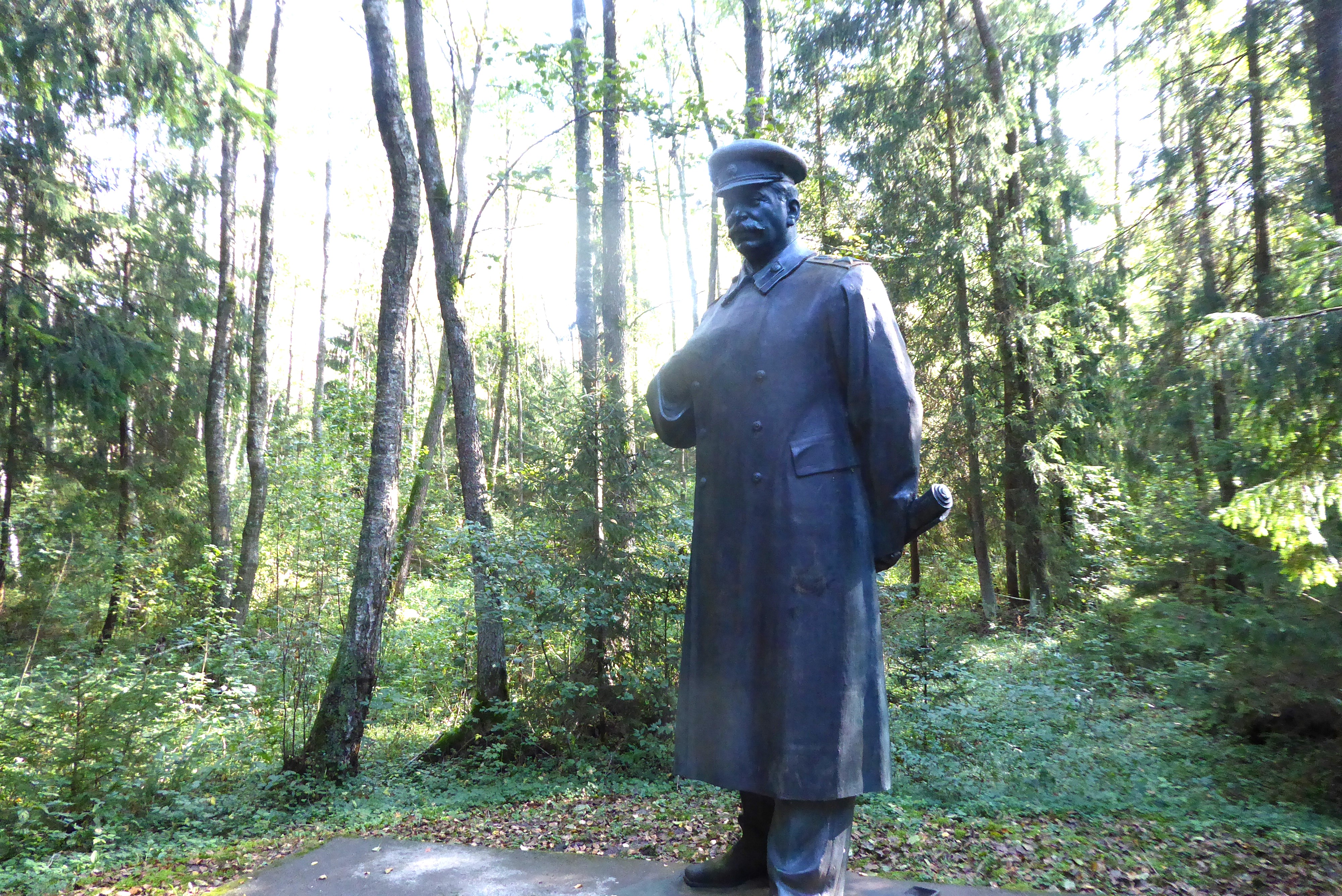
In a park at the outskirts of the town of Druskininkai in South East Lithuania (and not far from Vilnius, the capital of Lithuania) is a museum with a display of artefacts from the communist era – when for 45 years, the Baltic States (Lithuania, Latvia and Estonia) were ruled by the Russians.
During past centuries, when the Baltic States were ruled by the Russian Tsars, they were treated as vassal states and ruled with an iron fist. Vast estates were granted to Russian aristocrats and the Tsar and his entourage often stayed there during the summers and hunted in the forests.
Russian rule was naked as well as oppressive.
When the communists, led by Lenin, took power in 1918 and installed a new regime, a very different form of Russian imperialism was born. Based on Marxist ideology and the idea that the world consisted of classes (and never individuals), it preached a new kind of religion. Communism, in theory involving the liberation of the working class from the rule of capitalists, mutated into a new form of Russian imperialism, one based upon a supposed ‘solidarity’ between the working classes of the world.
So much for the theory.
In reality, communism gave birth to a new form of Russian imperialism, one far more effective than the rule of the Tsars. Russian communism liberated no one, least of all the working class. It created a new system of total control, based upon propaganda and a state controlled media, judicial system and bureacracy – and backed by Gulags, terror and extermination. Those who for whatever reason were seen as insufficiently subordinate could reckon on a short life.
When the Russians ‘liberated’ the Baltic States from the Nazis in 1944, they simply replaced one brutal despotism with another. Unlike the Nazis however, who ruled on the basis of being members of a superior race, the Russians ruled on the basis of a supposed ‘solidarity’ between the communists and the ordinary working people in the Baltic States.
In practice, it meant Russian colonialism. Tens of thousands of Russians went to live in the Baltic States as a part of a systematic program of ‘Russification’. Russian was the lingua franca and taught in the schools. To be able to have any kind of career prospects meant for the people of the Baltic States learning Russian and kow-towing to the Russians in charge of the government and the economy.
In the musuem/park at Druskininkai, the relics of this abject tyranny can be seen. Today they seem outlandish,strange, but for older people in the Baltic States they are all too reminscent of the nightmare they had to endure.
Once these artefacts were everywhere. After the Russians departed in 1991 – after months of protests and strikes – they were destroyed, understandably.
The few remaining can be seen in the musuem.
It is visited regularly by organised school tours but of course for the modern day generations, born in freedom and glued to their phones, the past is a distant land.
It’s a distant land however which has come a lot closer to modern day reality with the genocidal Russian invasion of The Ukraine. No one understands better what is happening in The Ukraine than the people of the Baltic States. They are members of the E.U. and Nato, yet they also fear, understandably, that if the Russians take The Ukraine, then…….they will be next in line.
The museum park at Druskininkai is a timely reminder that in this part of Europe, the past still stalks the future……

A familiar statue during the communist era: the communists of the world (i.e. the subjected people) standing ‘in solidarity’ with their oppressors), marching forward against Evil: the decadent capitalist – and democratic West.
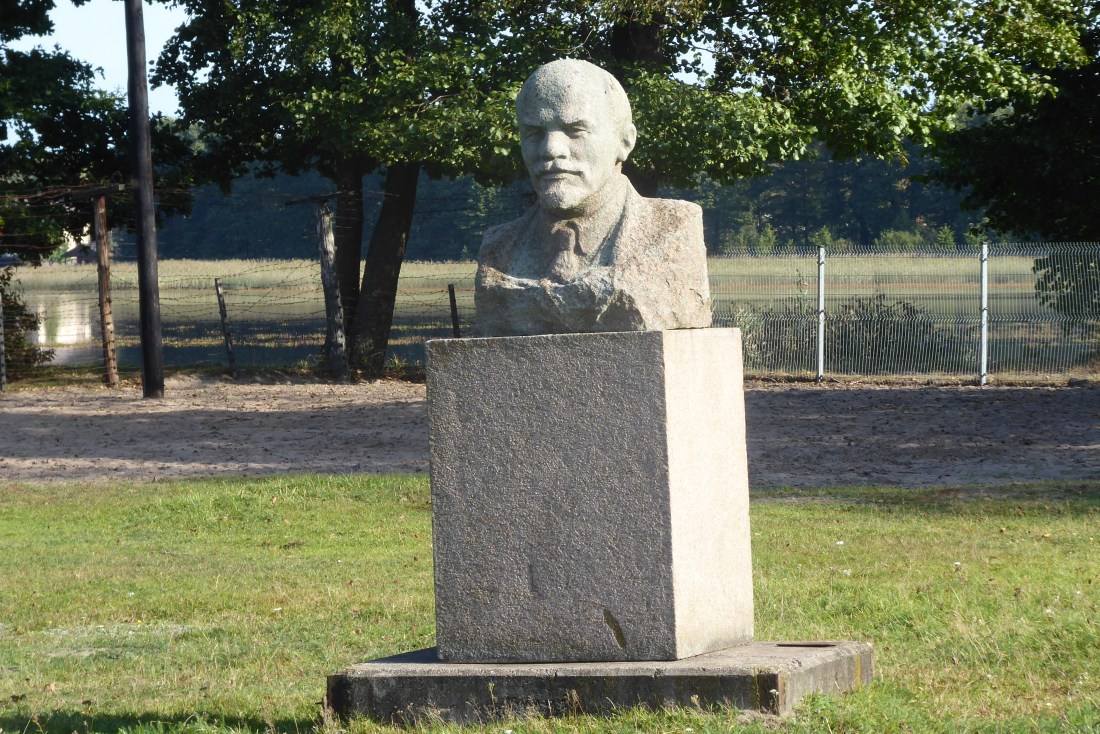
Lenin, the ‘father’ of Russian communism and for long decades imposed upon the people of the Baltic States.

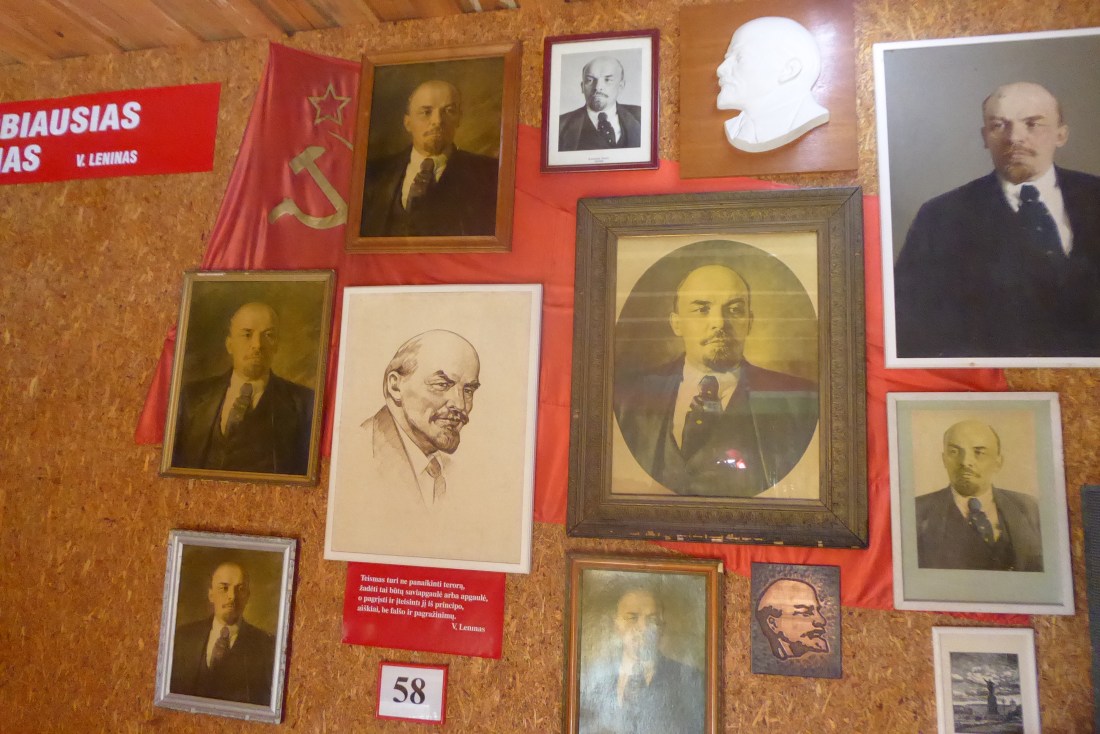
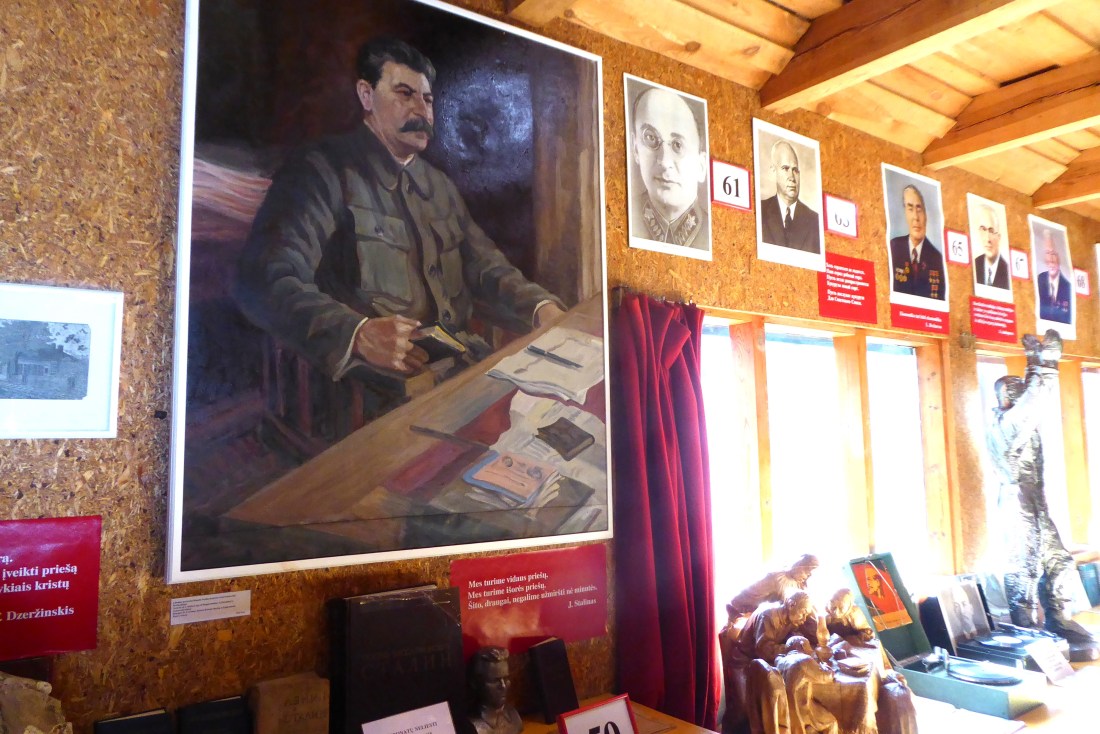
Lenin was followed by another great psychopath and mass murderer, Stalin. The bureacracy of extermination was established by Lenin in order to destroy ‘enemies of the communist revolution’. This bureacracy of organised terror was greatly expanded by Stalin and millions of people were either shot or sent to huge prison camps – so called ‘Gulags’ – where they were worked to death.
Lenin and Stalin, the architects of a totalitarian society, are still worshipped today in Putin’s Russia and Lukashenko’s Belarus….
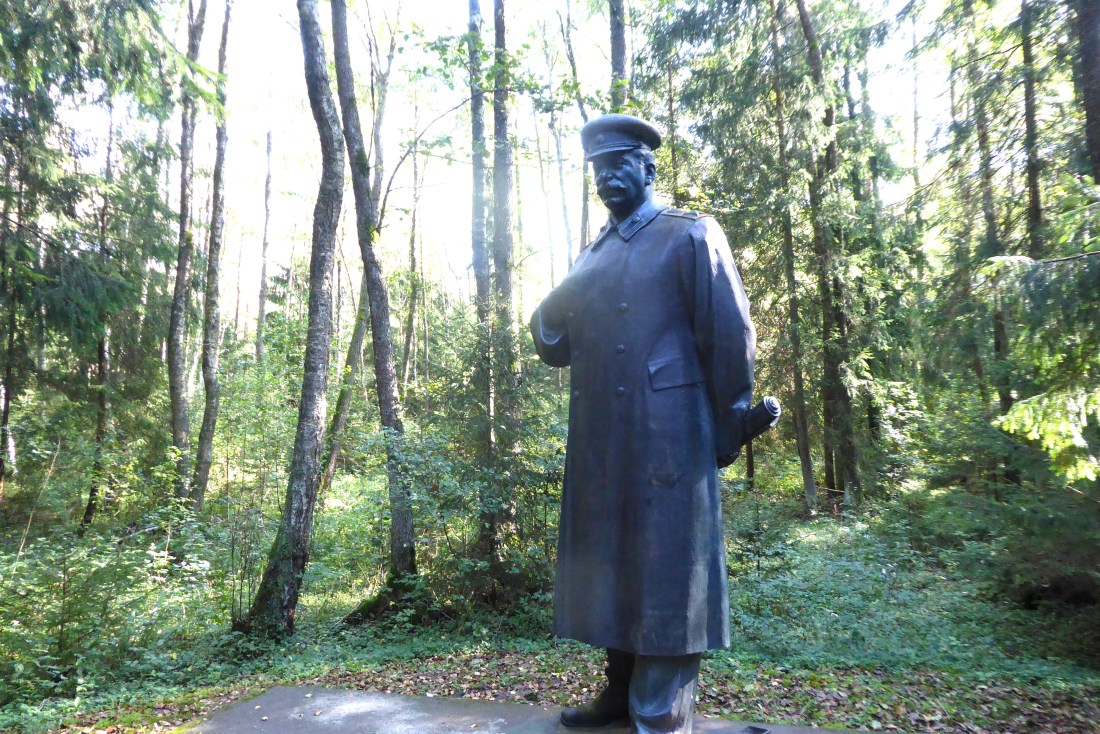
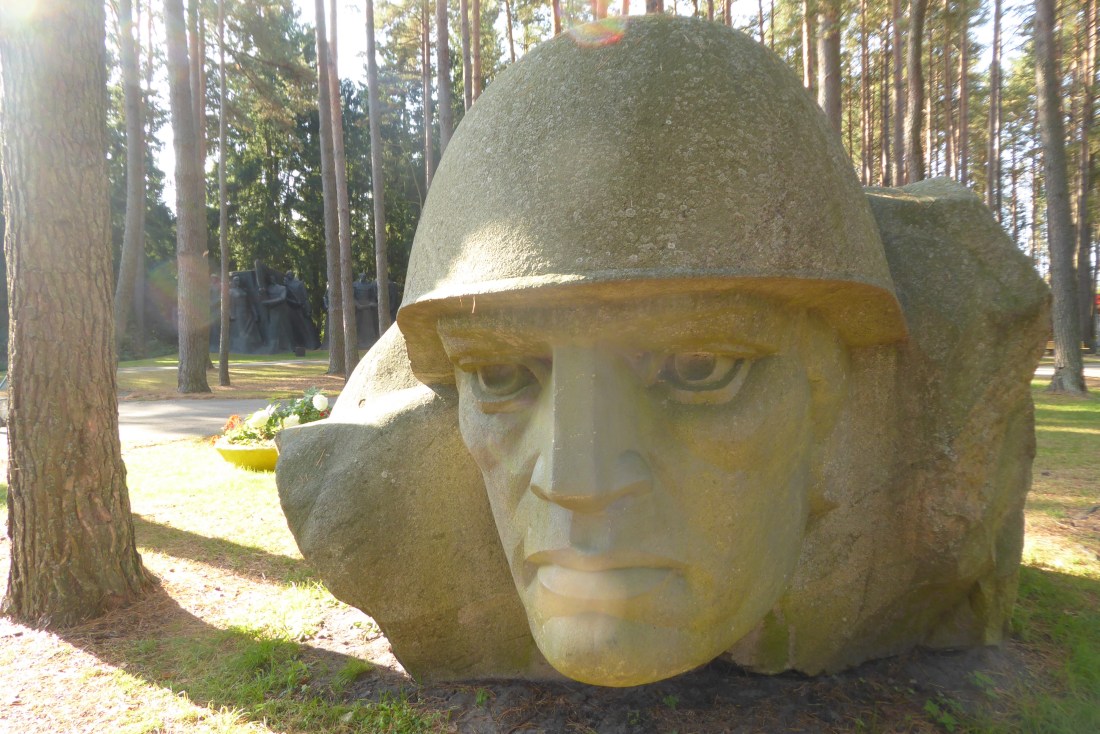
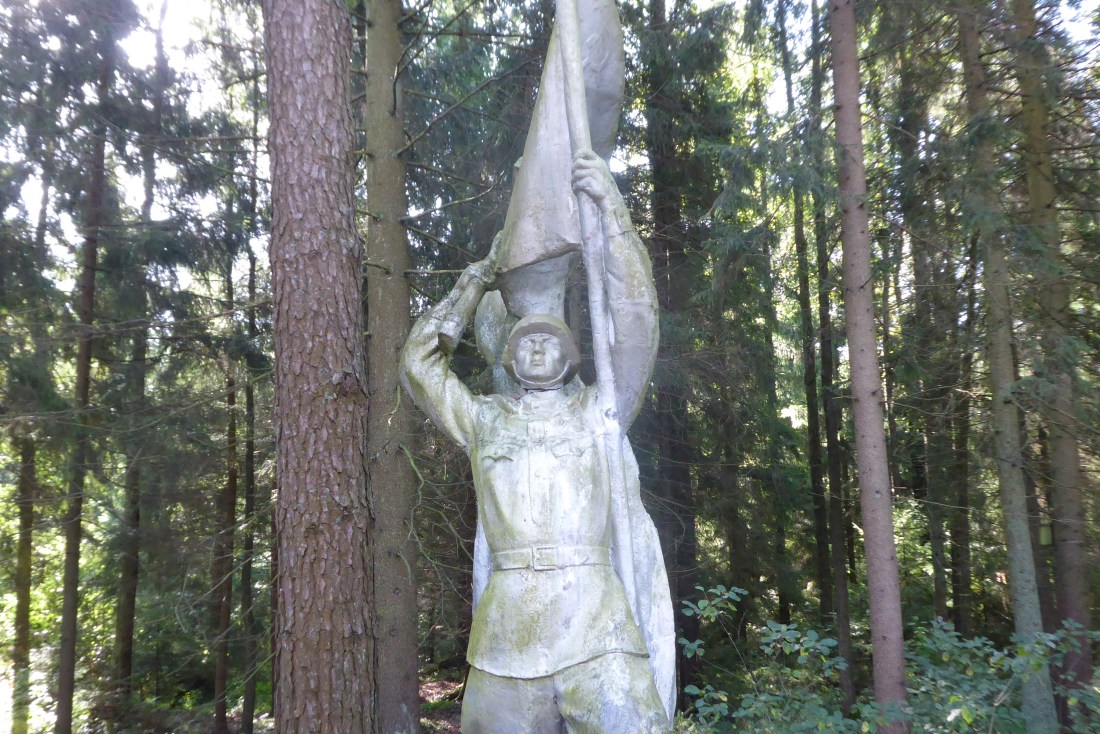
The brave Russian communist soldier, symbol of the ‘liberation’ of the Baltic States from the Nazis….
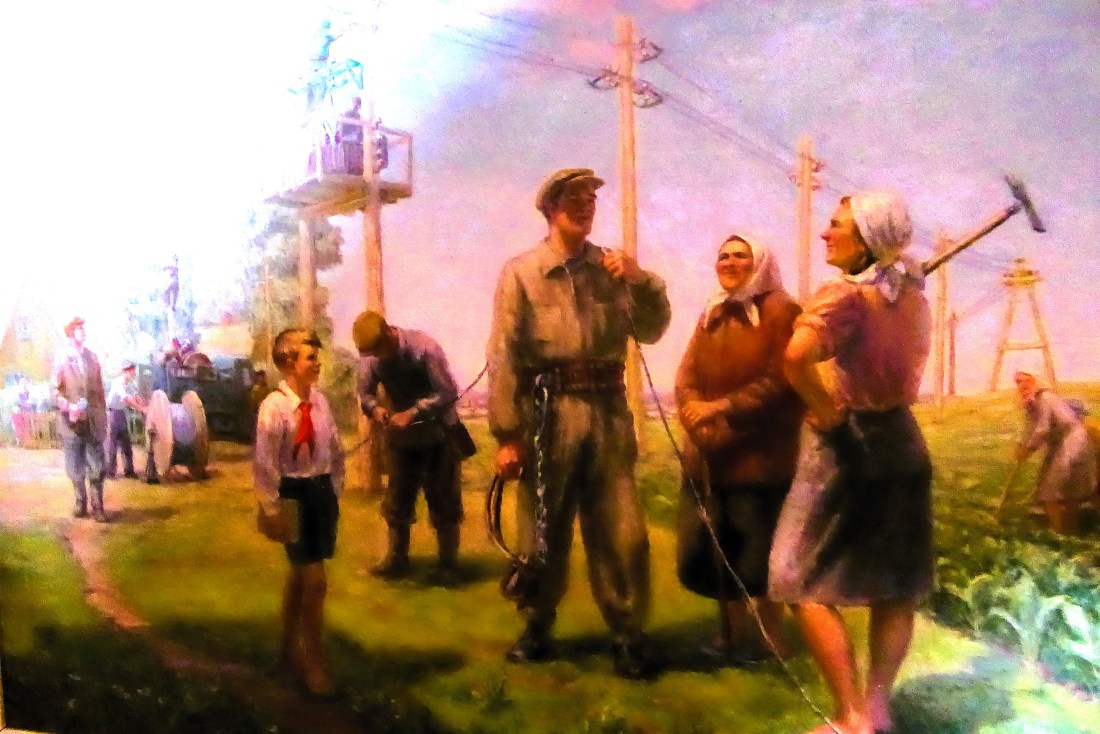
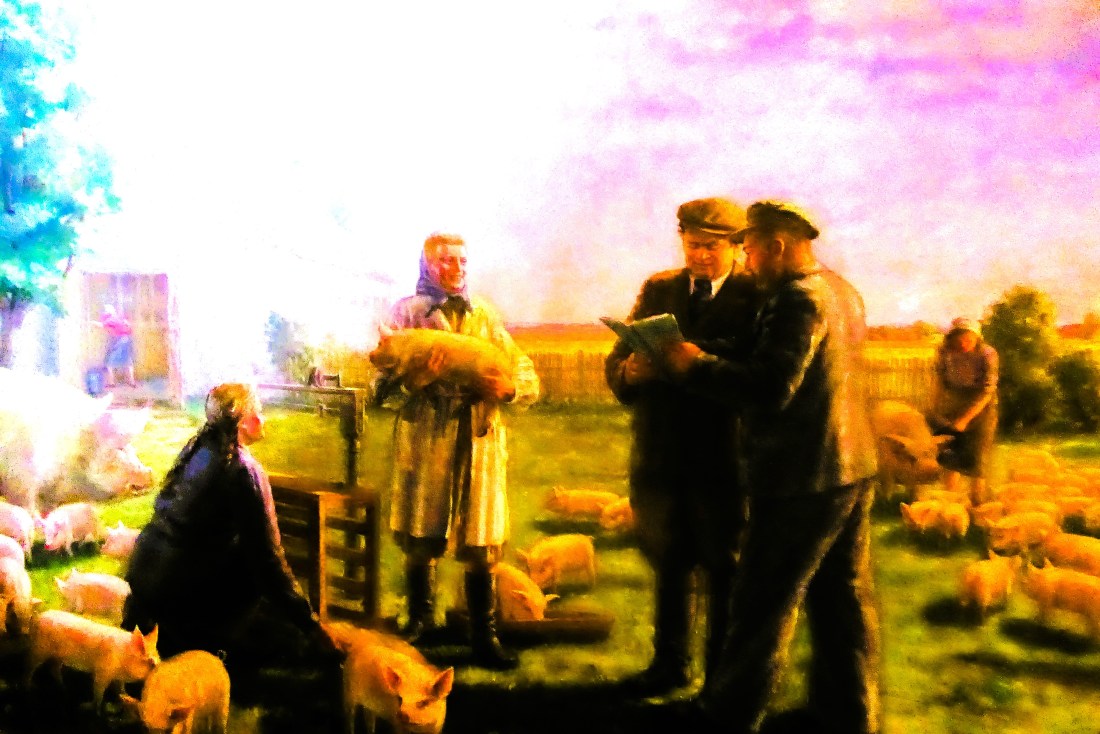
Propaganda Dreamland: images from the Russian communist era, commonplace in the Baltic States for almost half a century: the joyous working class and farmers living in the Russian Heaven….
Anya and I stayed in the main town and walked out to the musuem park.
On the way back I noticed this statue in a park near a church and it struck me as beautiful after the grim communist era statues I had just seen at the musuem park….an Angel in flight….something the Marxists and Communists would be incapable of understanding and would view as an example of ‘false consciousness’…..

Living with the locals in Belarus
Categories: Baltic States
 Serious Travel Images
1 reply »