When my partner and I booked our tickets to Oman, there was no sign of the cataclysm that was about to descend on the Middle East, with Iran at the epicentre.
When the war began, panic broke out – with people departing the Middle East as soon as possible – though several of the world’s major airports closed. We watched events unfolding with trepidation, wondering if we shouldn’t cancel our flight to Oman. But from the information we had, it was apparent that Oman was outside of the firing zone so to speak.
We spent two weeks there – with very few other tourists around. As usual, we travelled by local buses and sometimes taxis. Sometimes our journeys were short – a day spent walking around outlying areas of Muscat for example – and sometimes they were much longer, staying at local hotels.
Muscat
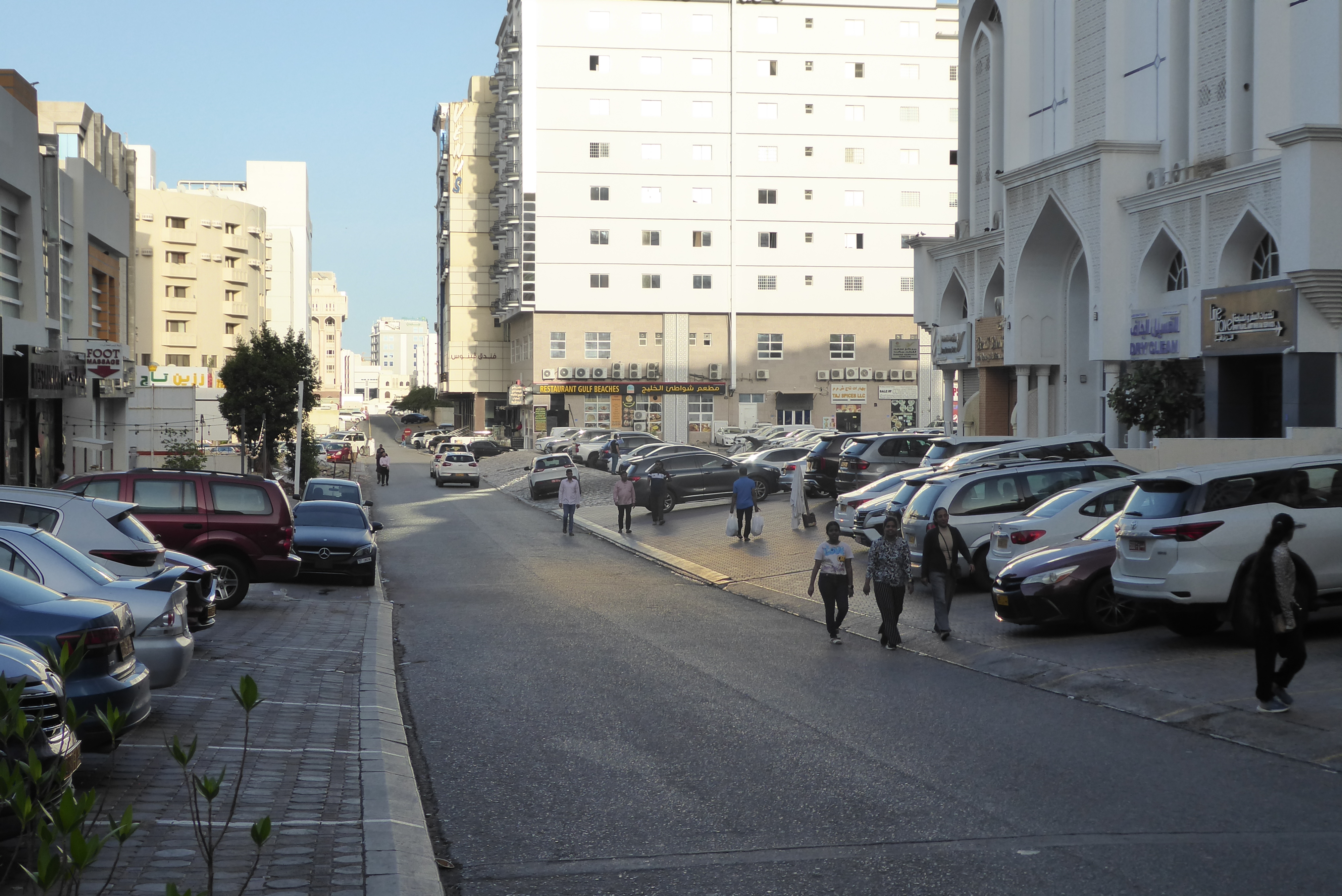
Mustcat is Oman’s major city, a sprawling metropolis of high rise apartment blocks and hotels.
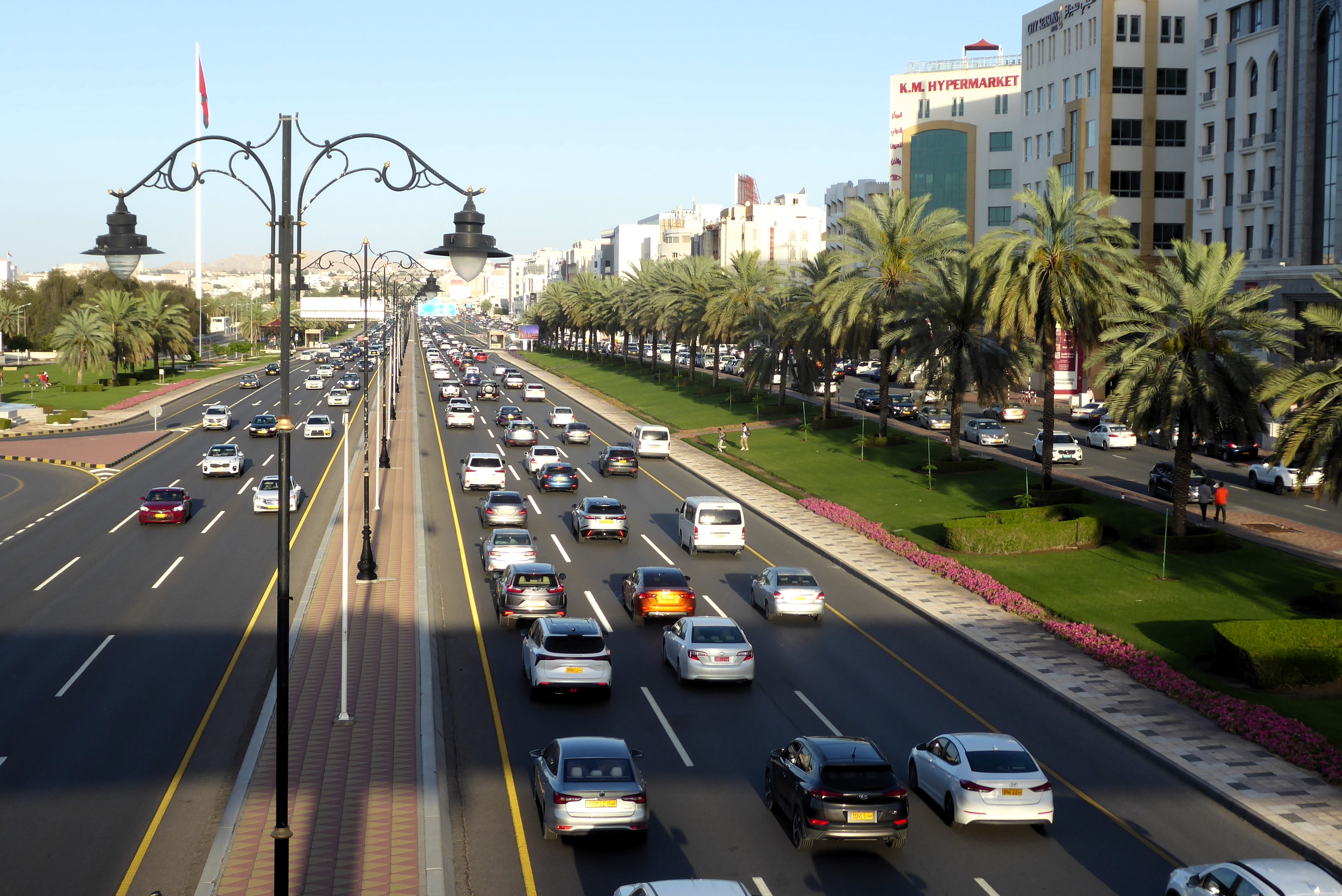
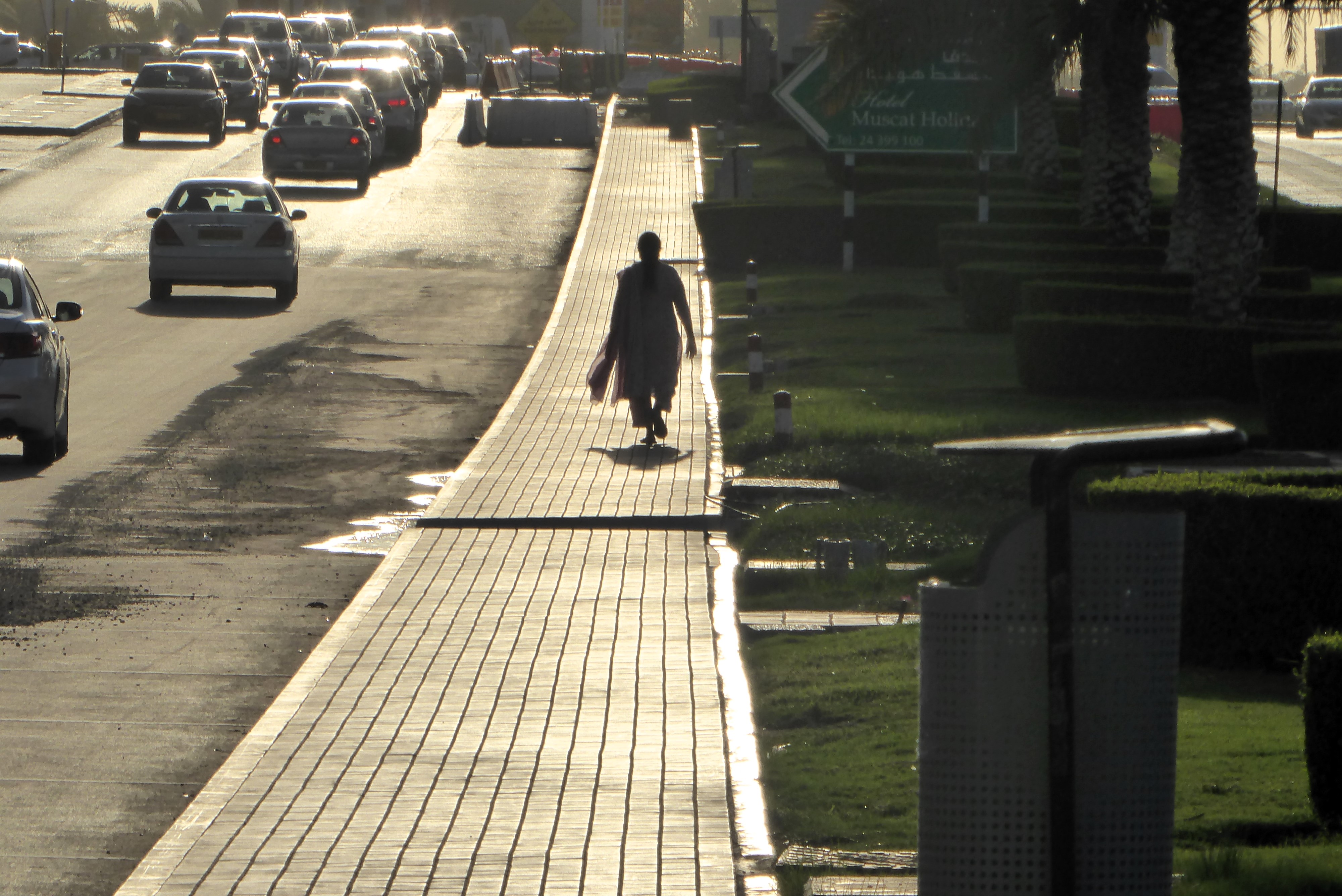
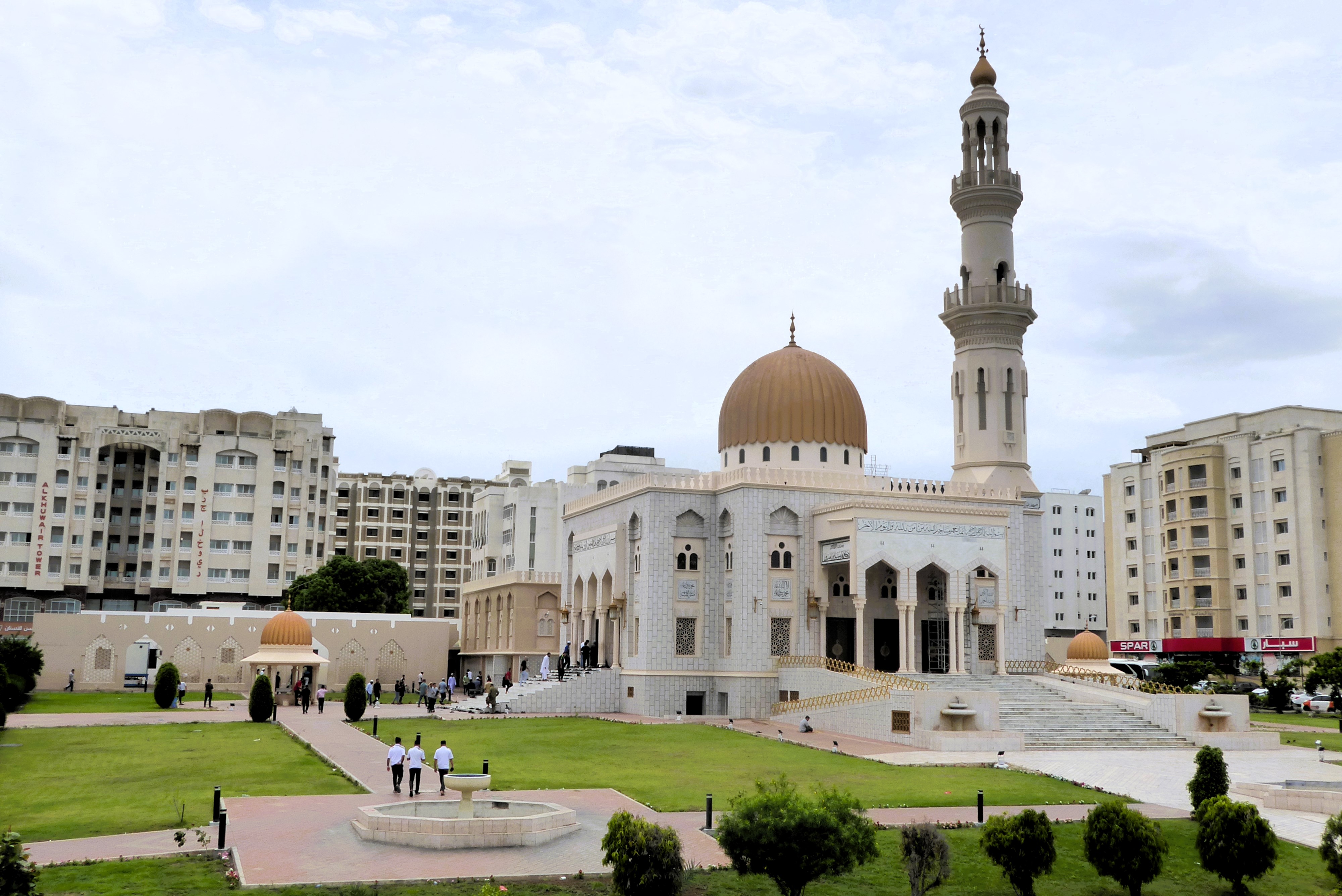
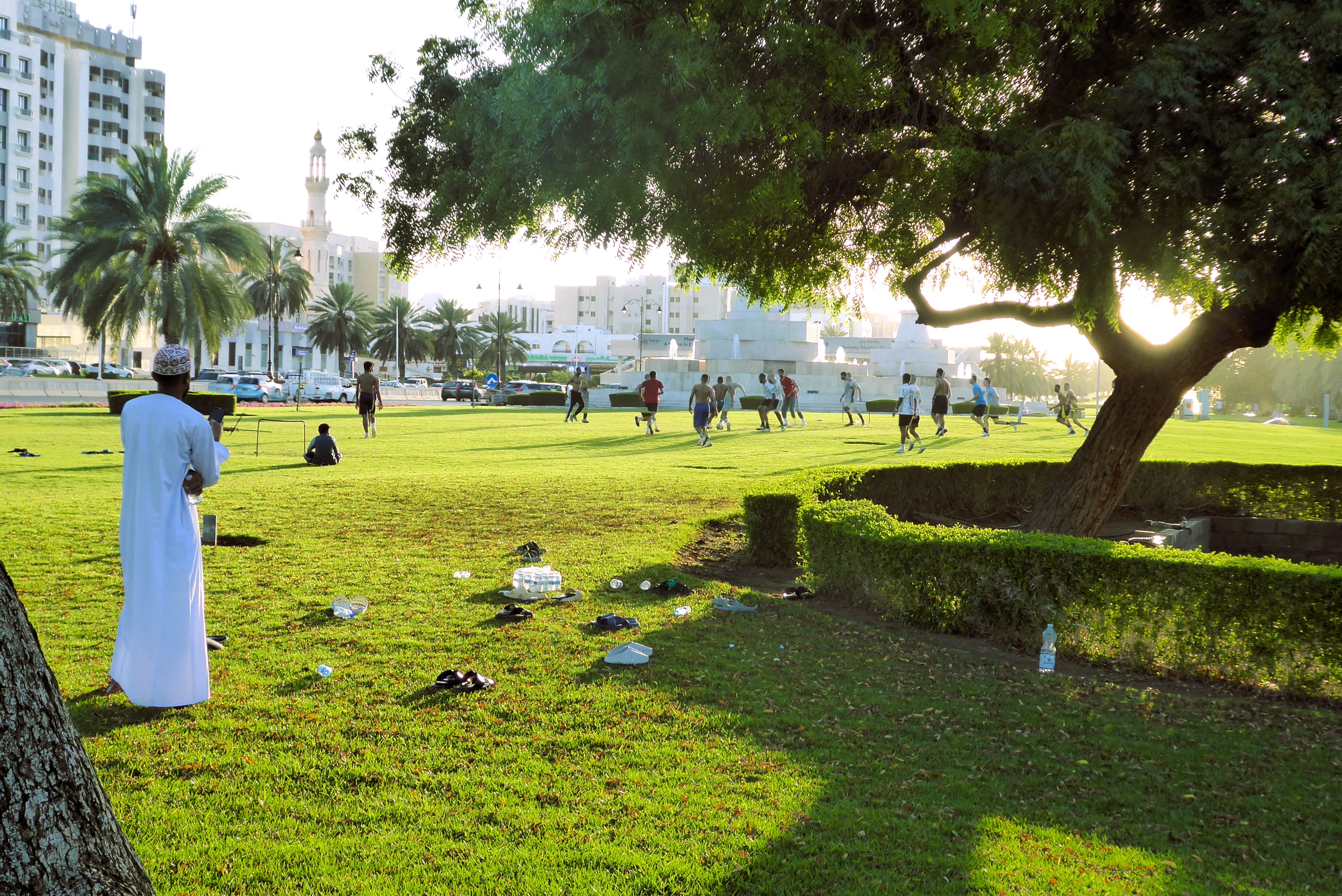
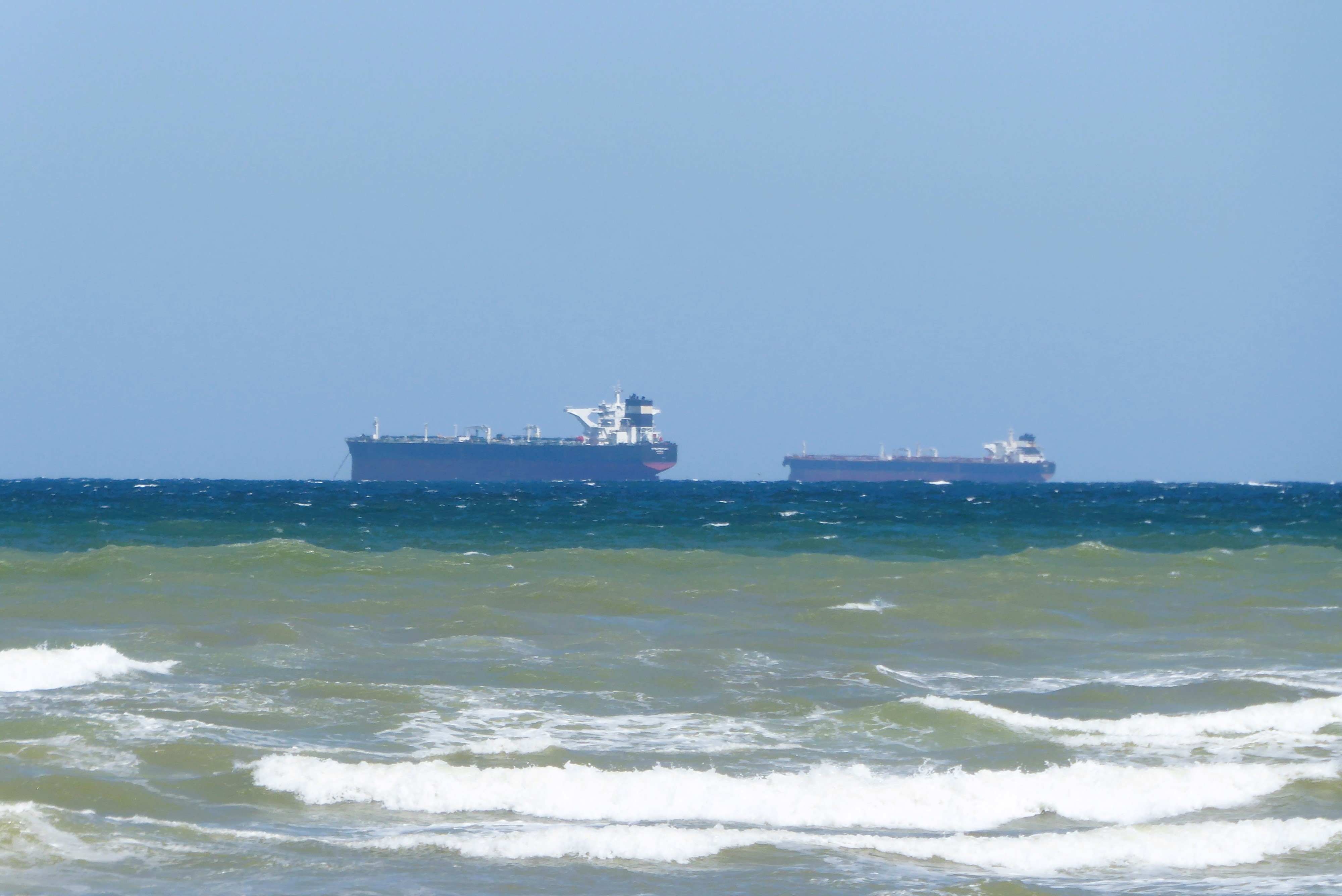
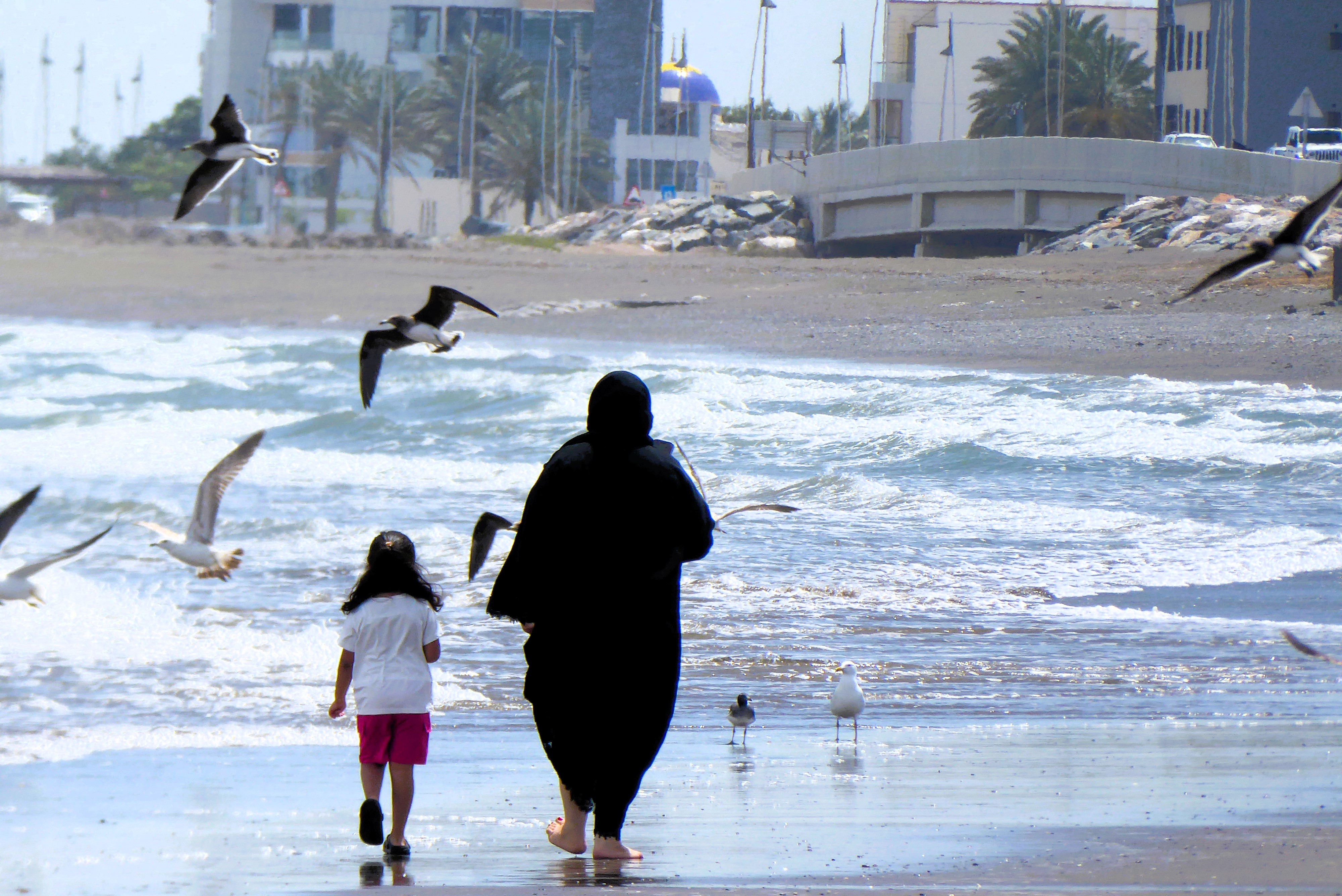
A ubiquitous sight, on a day spent walking along a beach and the coastal suburbs, were tankers on the horizon, on their way to the gulf in the hope of filling up with the world’s now most precious commodity: oil.
Niswa
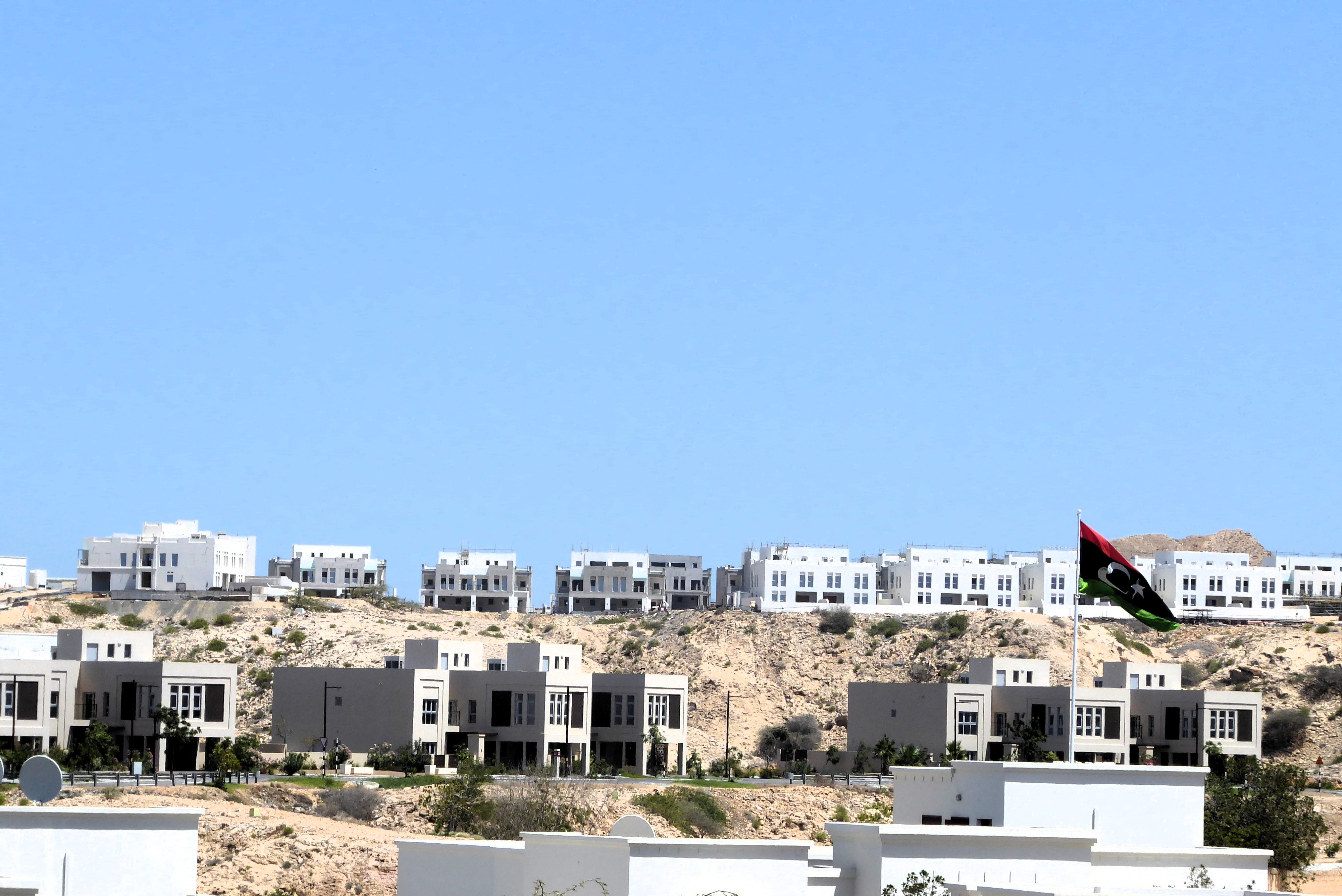
It took us three and a half hours by bus to reach the town of Niswa in the south, on the way passing a stark and spectacular desert scenery of steep, bare mountains and small towns in the middle of nowwhere – outposts of white washed buildings with a mosque in the centre, with no fields or animals or any means of subsistence apparent.
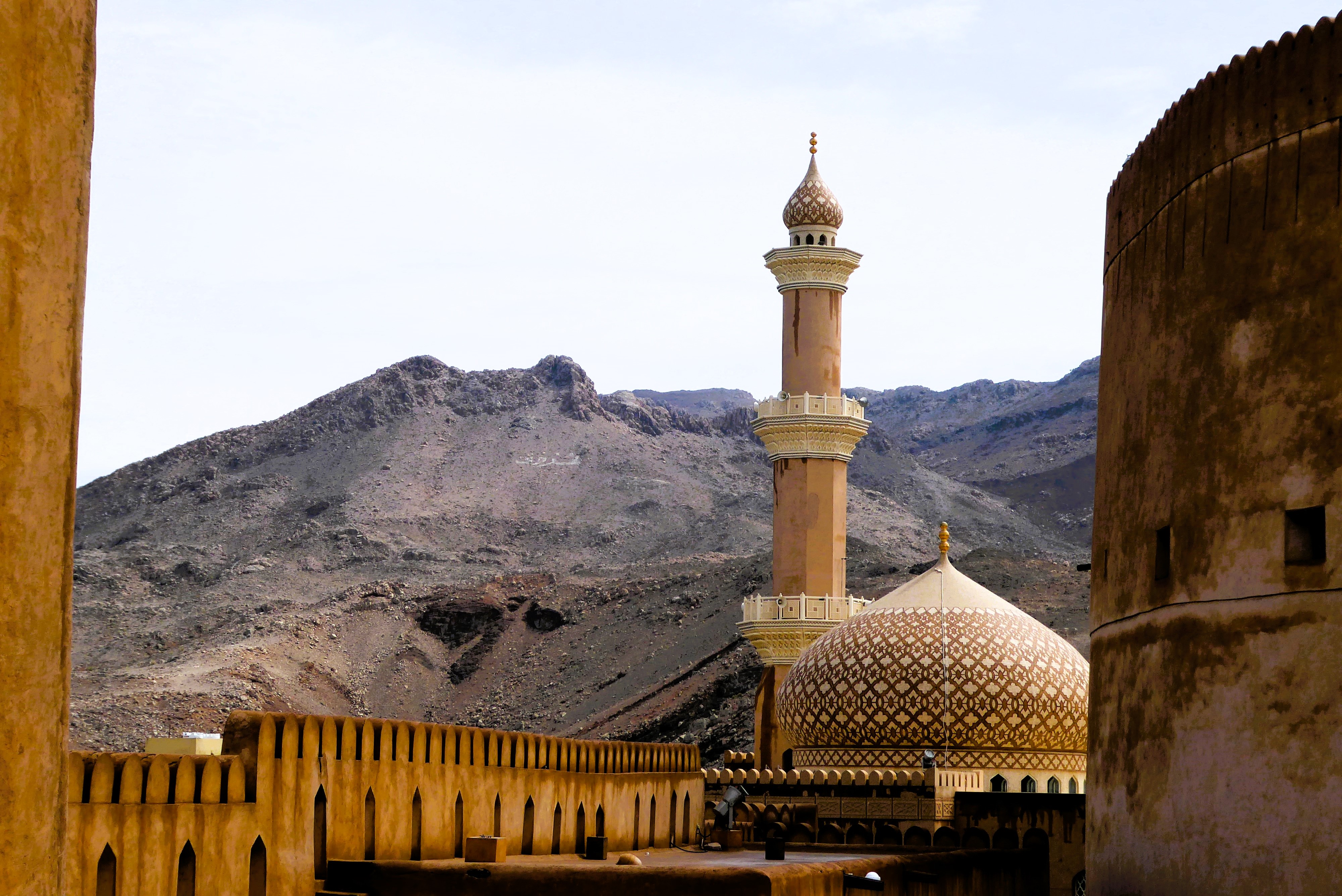
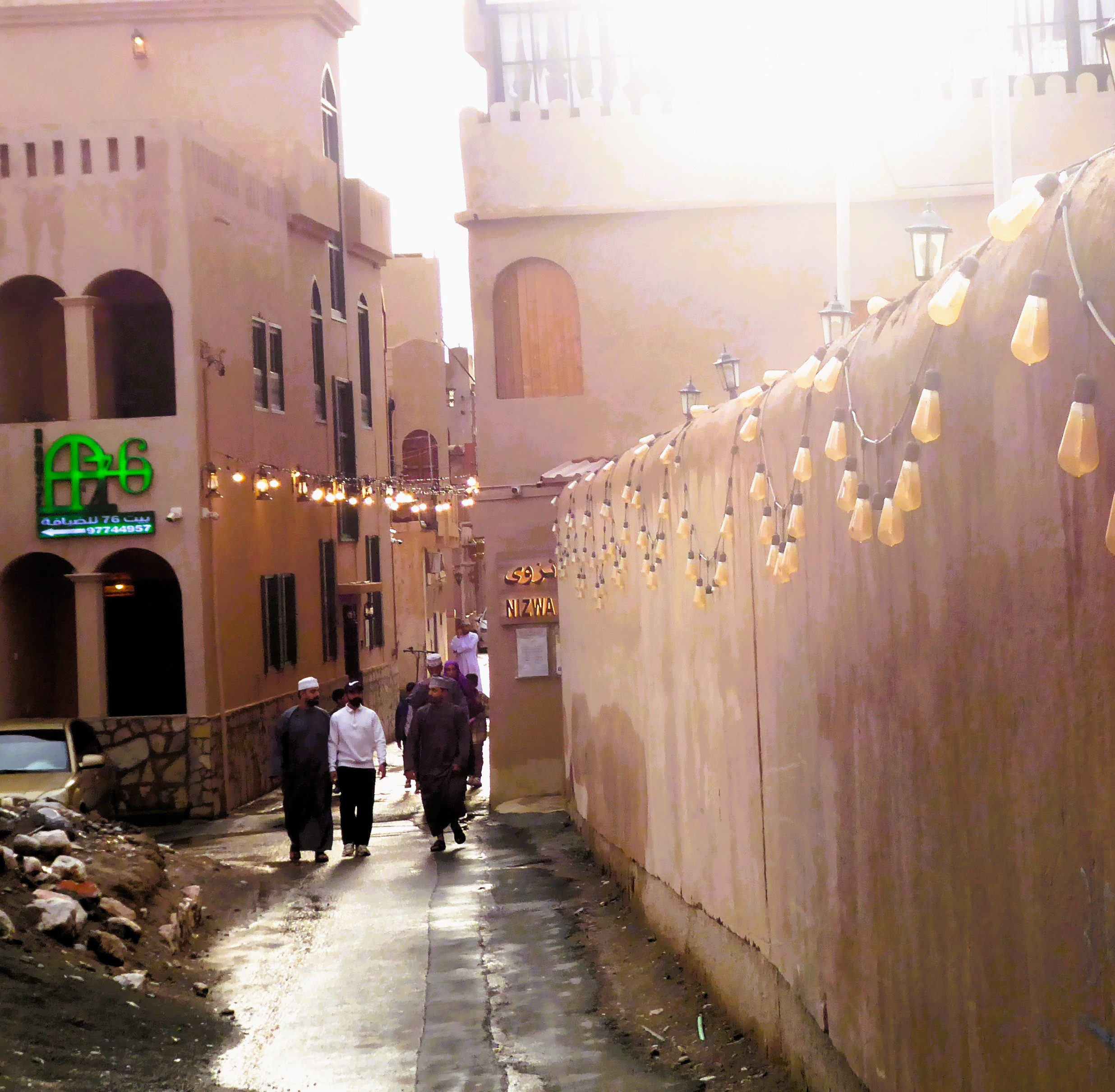
A former religious centre, with a large mosque and fort – hailing from three centuries ago – Niswa is a honeycomb of narrow streets, shops, restaurants and hotels – and normally thronging with tourists. In the hotel where we staying, we were the only guests and a visit to one of local restaurants was similar experience. It was an economic disaster for the local businesses.
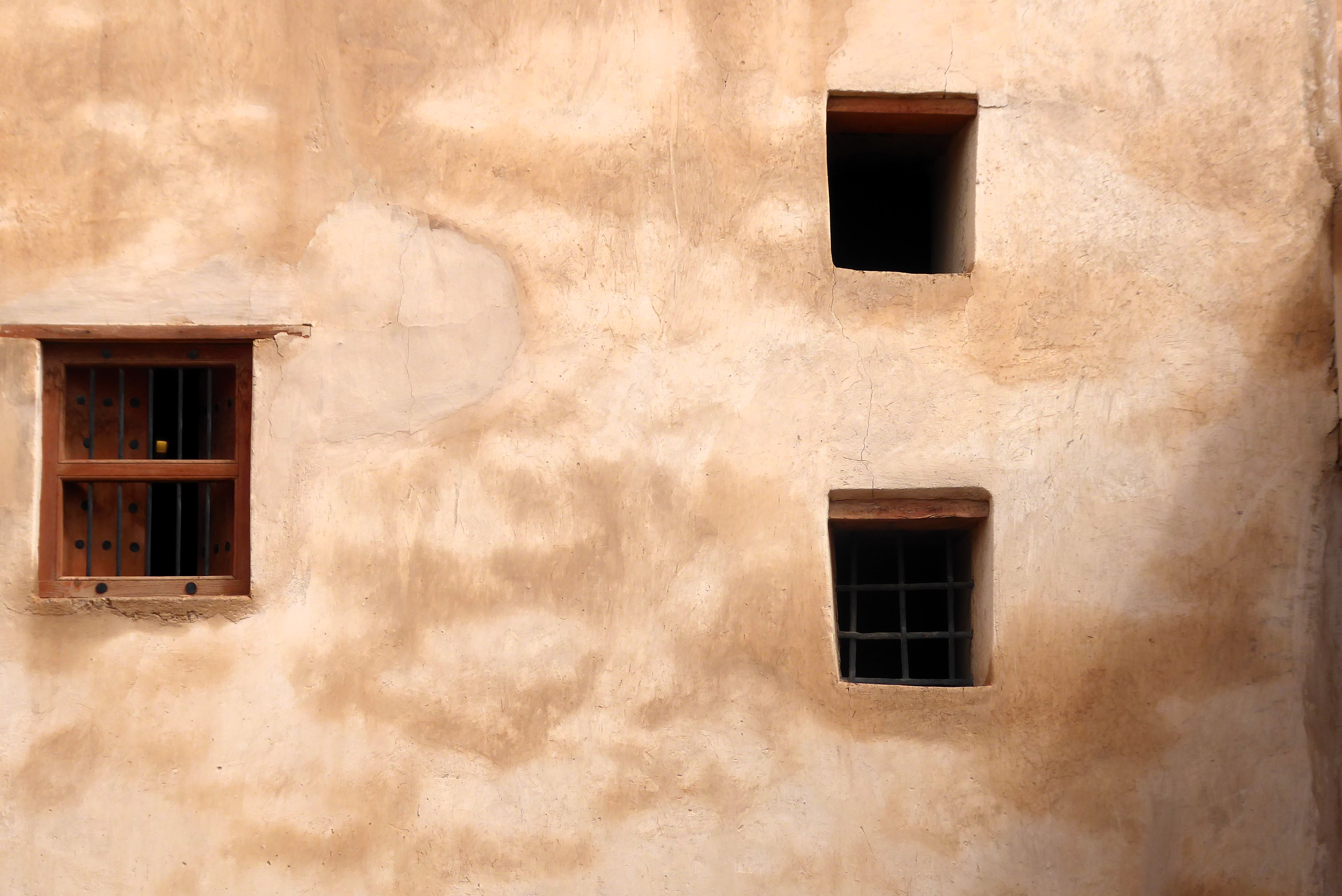
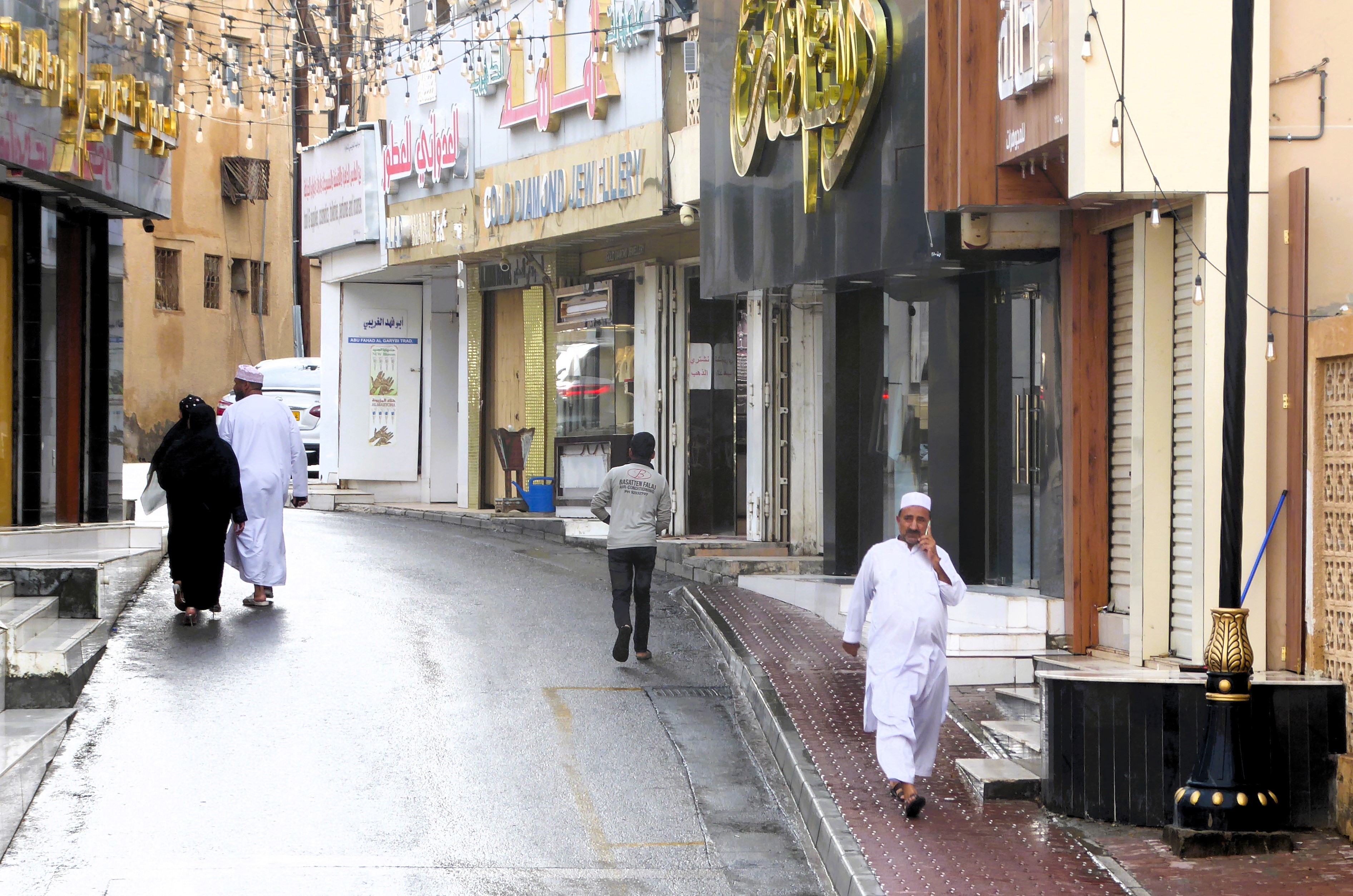
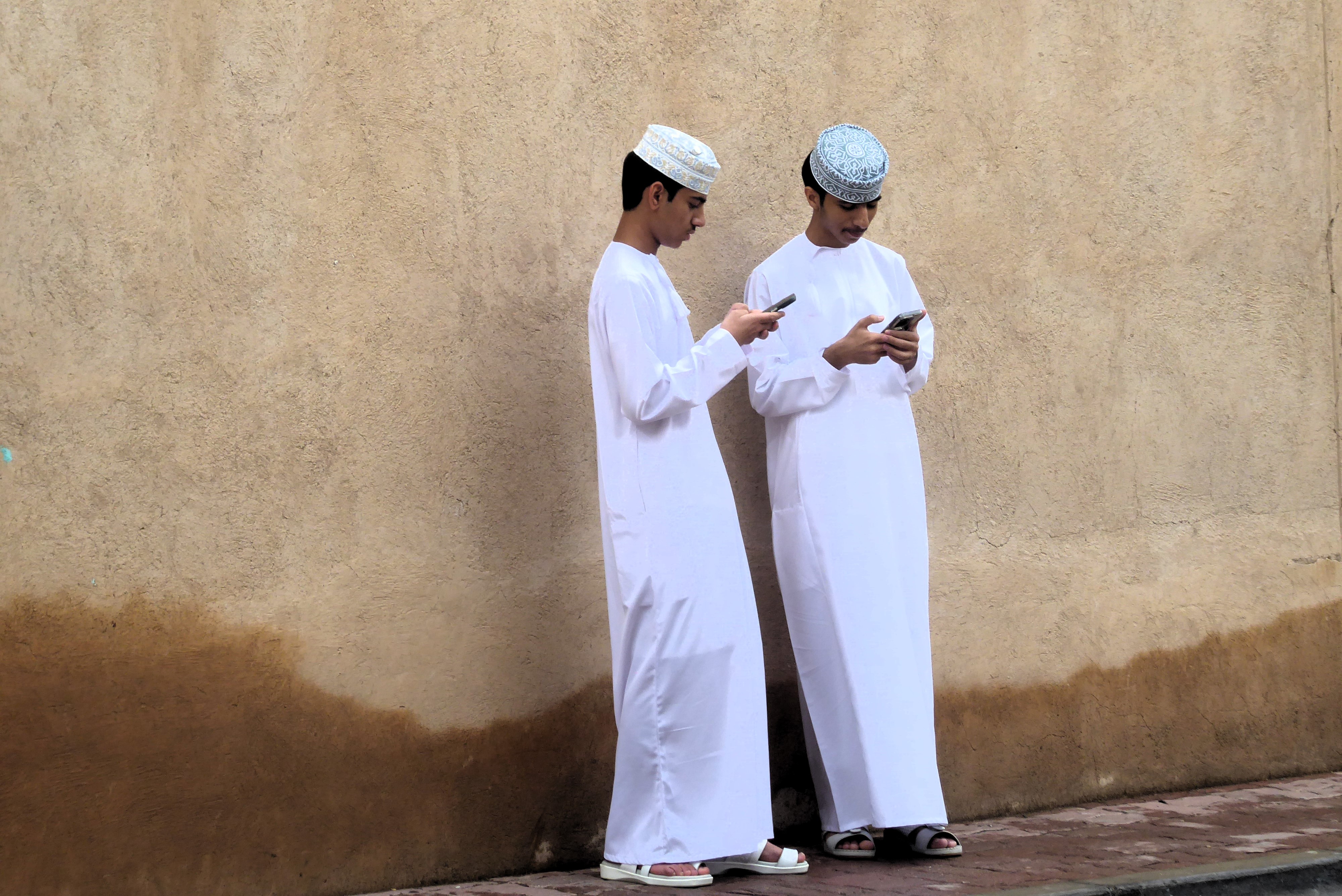
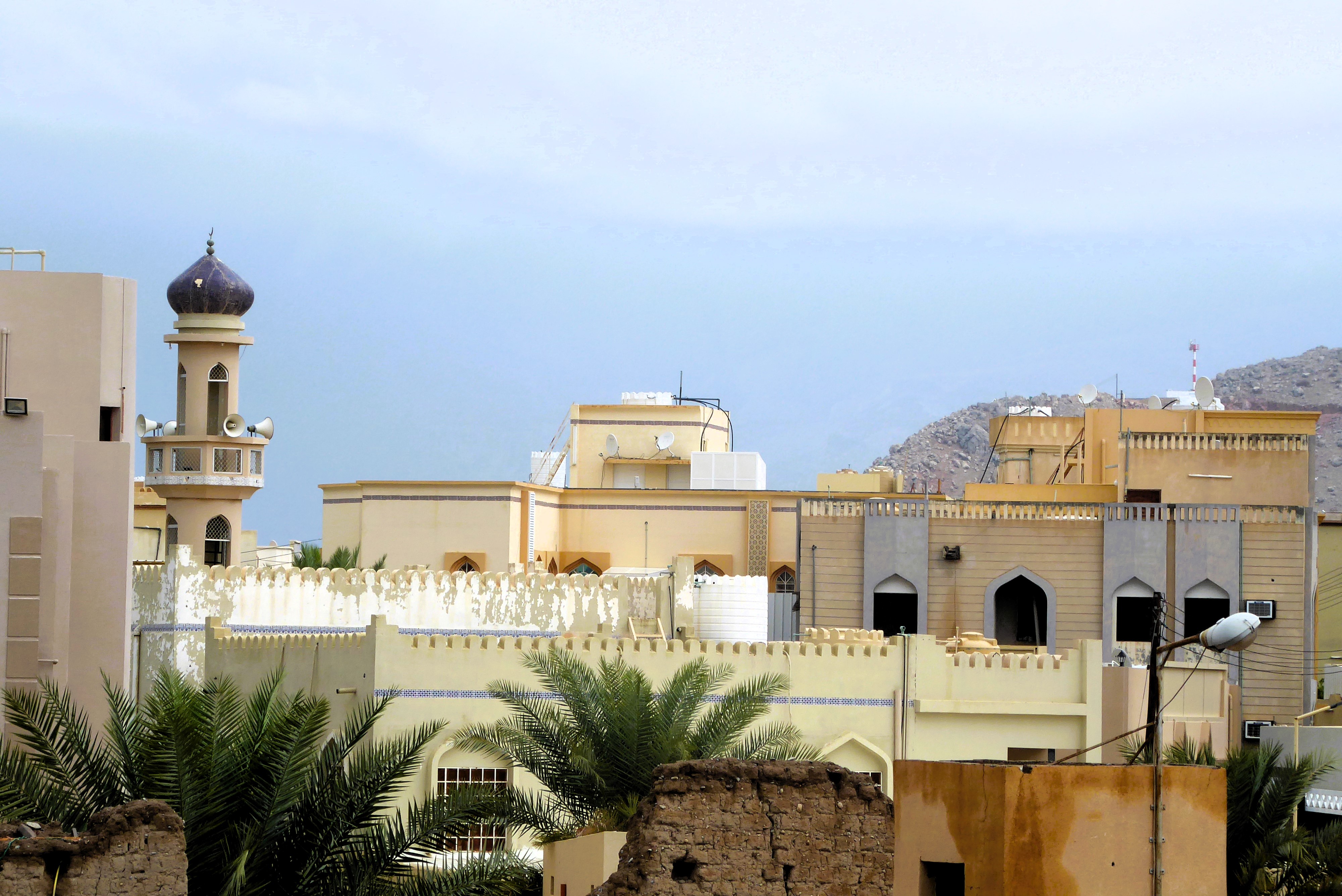
On our last night in Niswa, it began to rain and quite heavily. It seemed bizarre given that Oman, like the other nations in the Middle East was very dry, the only source of water being desalination plants. Heavy rain fell all night. On the following morning, when we were due to leave we were greeted by massive flooding.

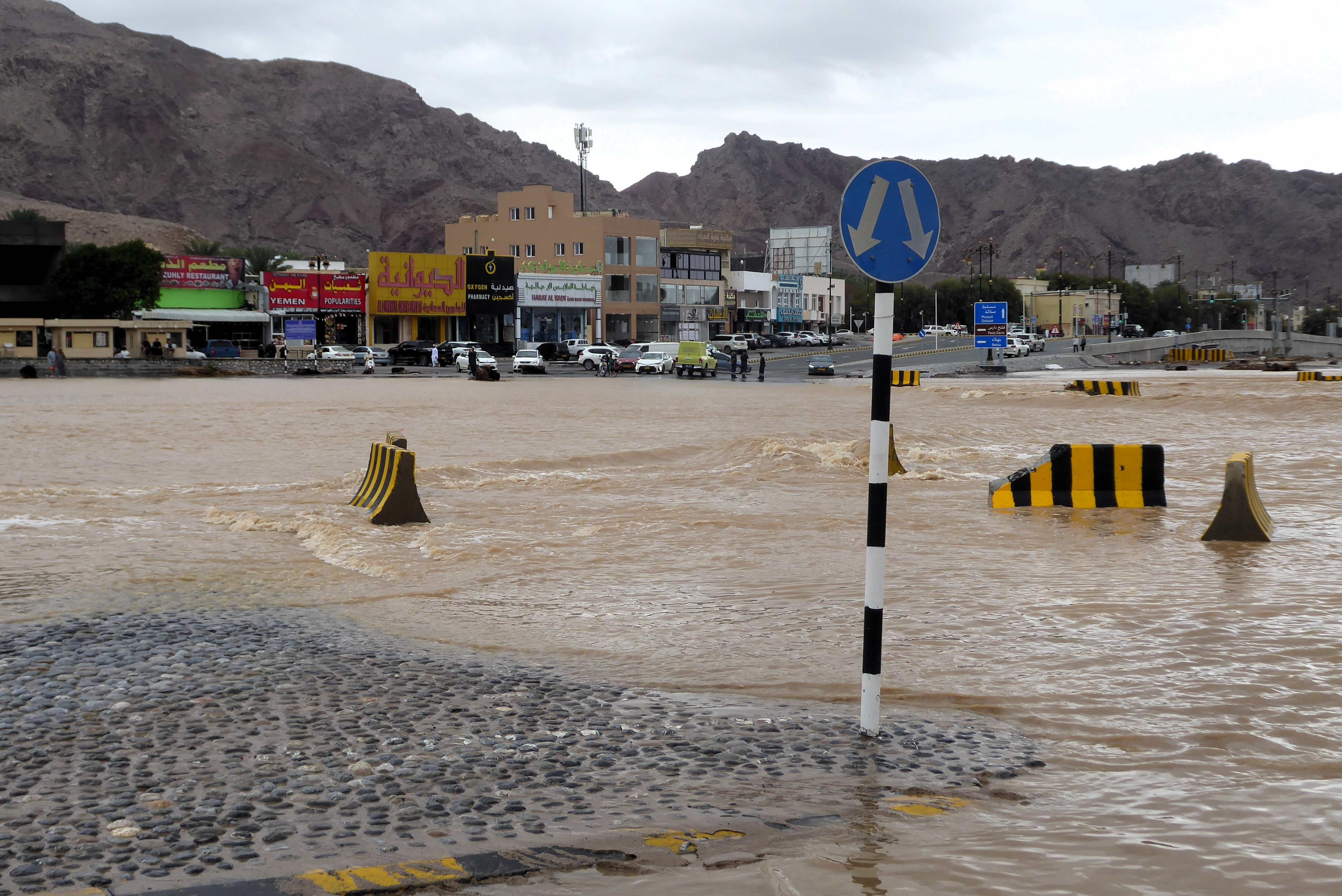
The bus service had been suspended, so we had to walk into a nearby town on a highway and get a taxi back to Muscat.
SEEB
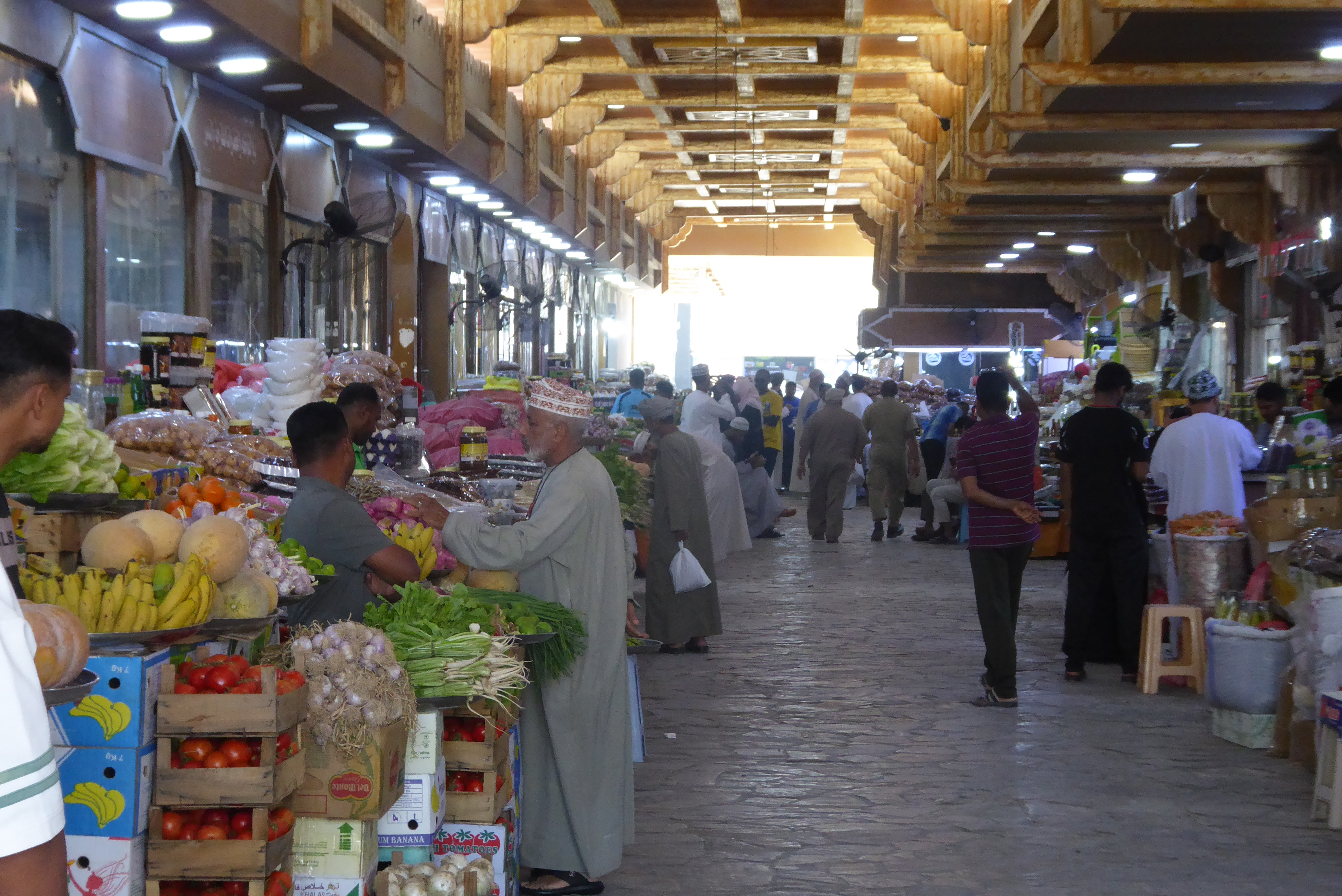
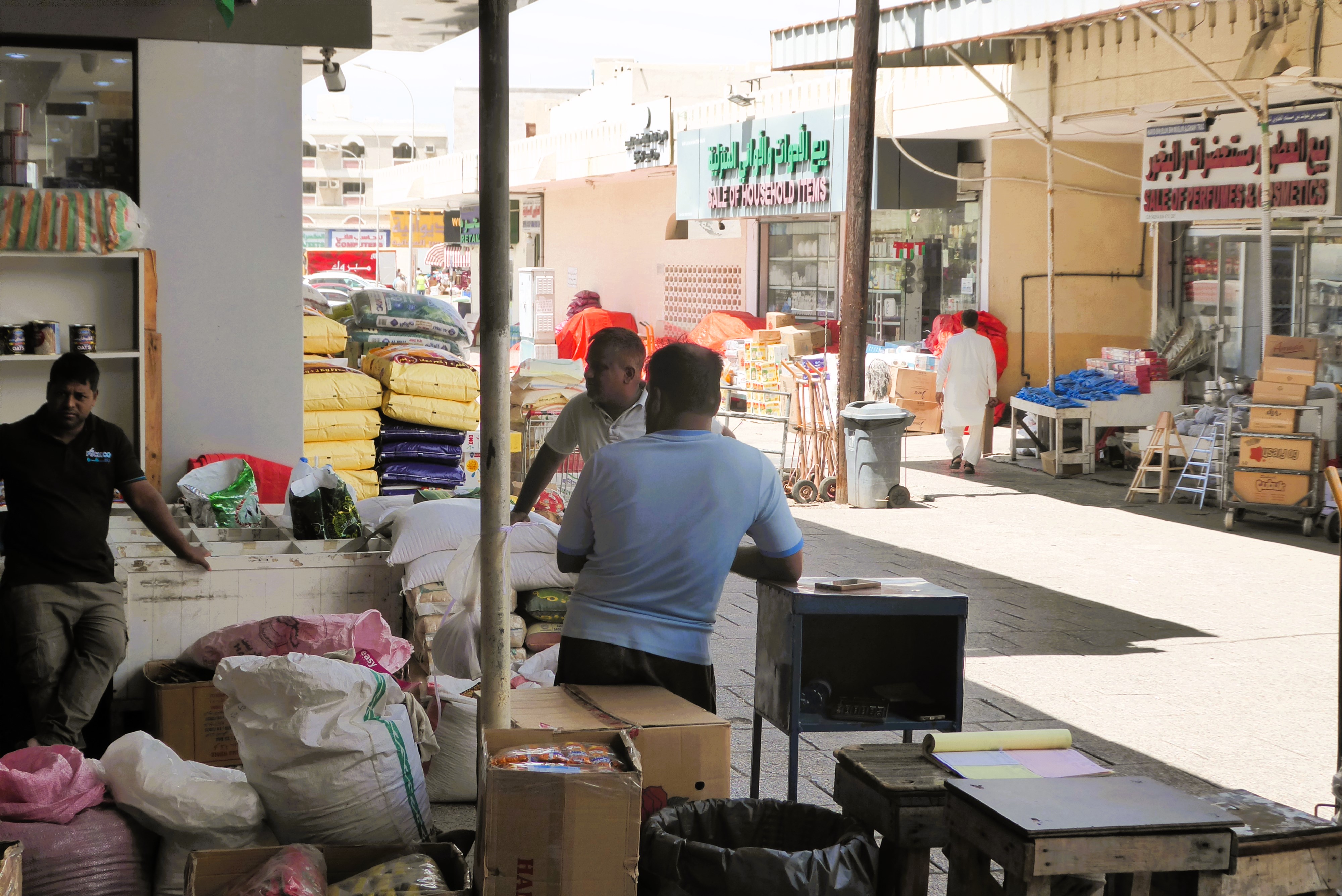
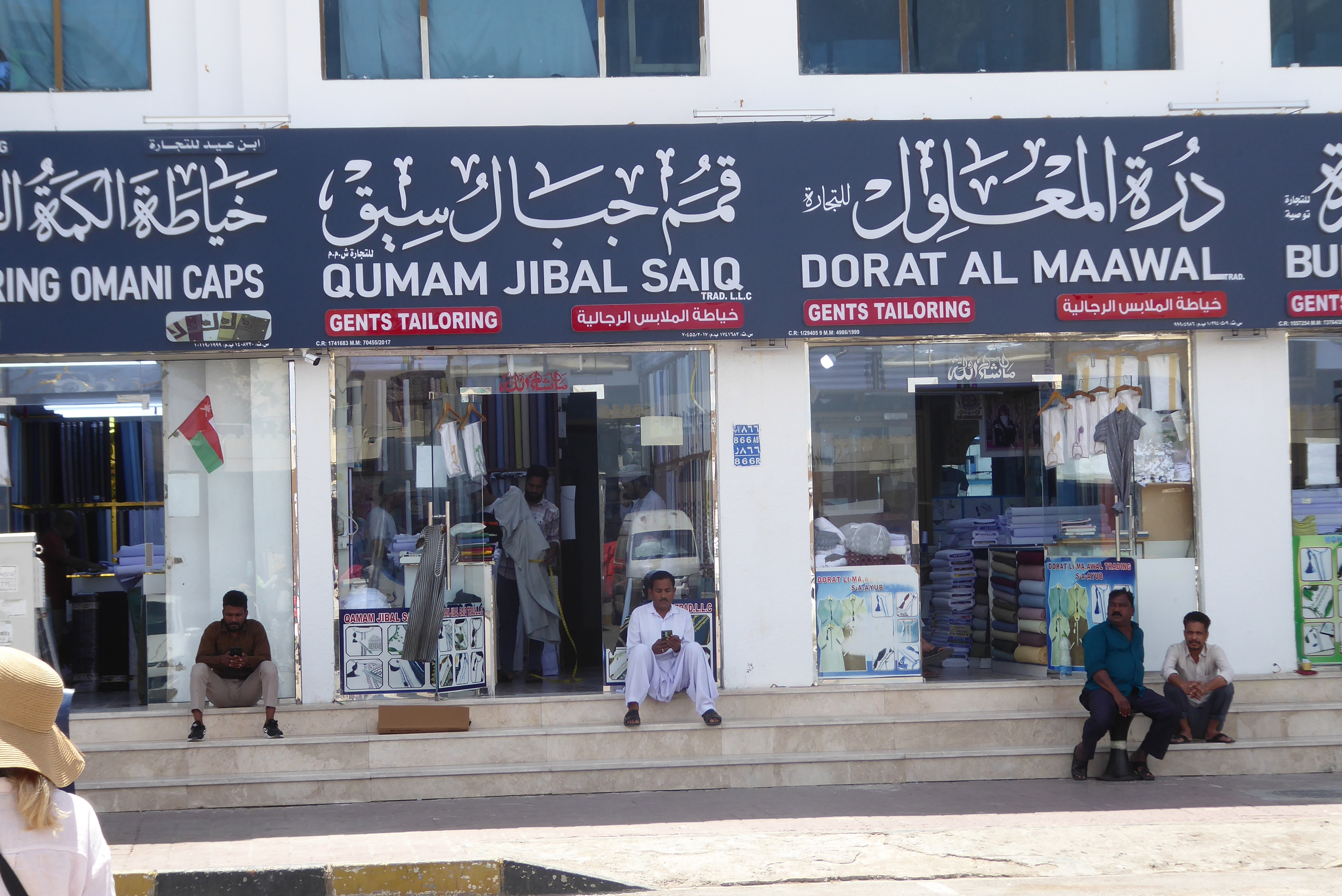
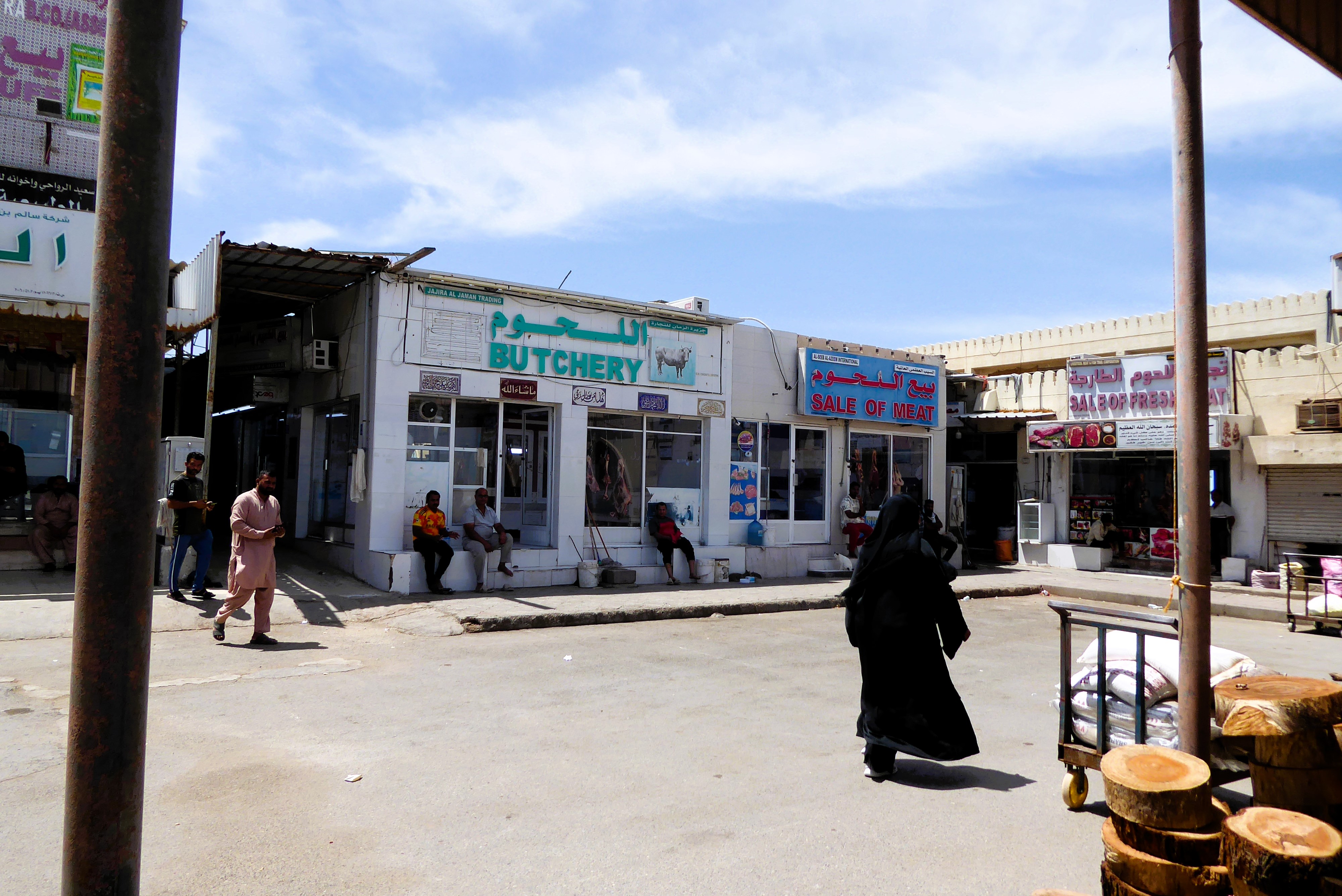
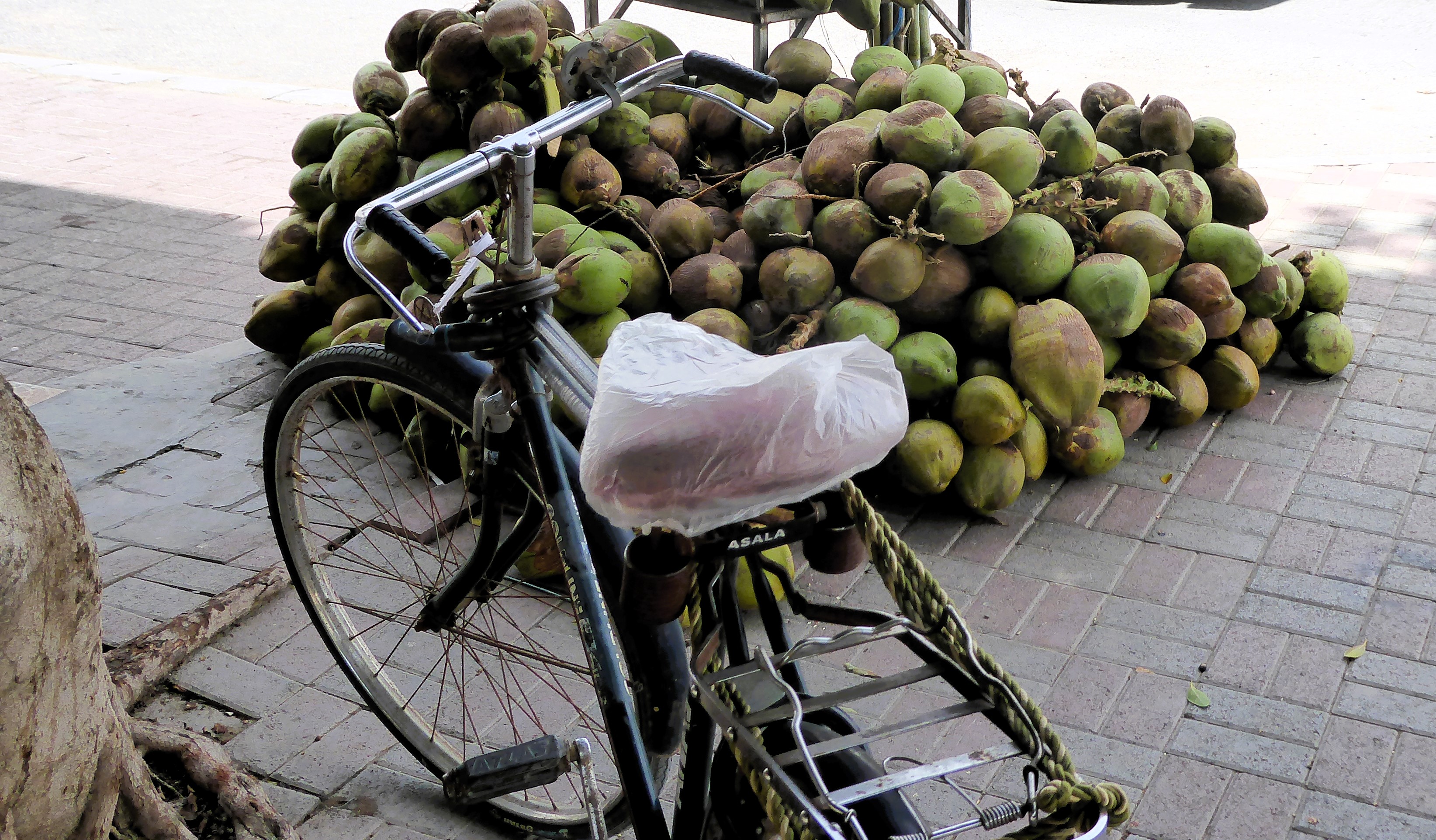
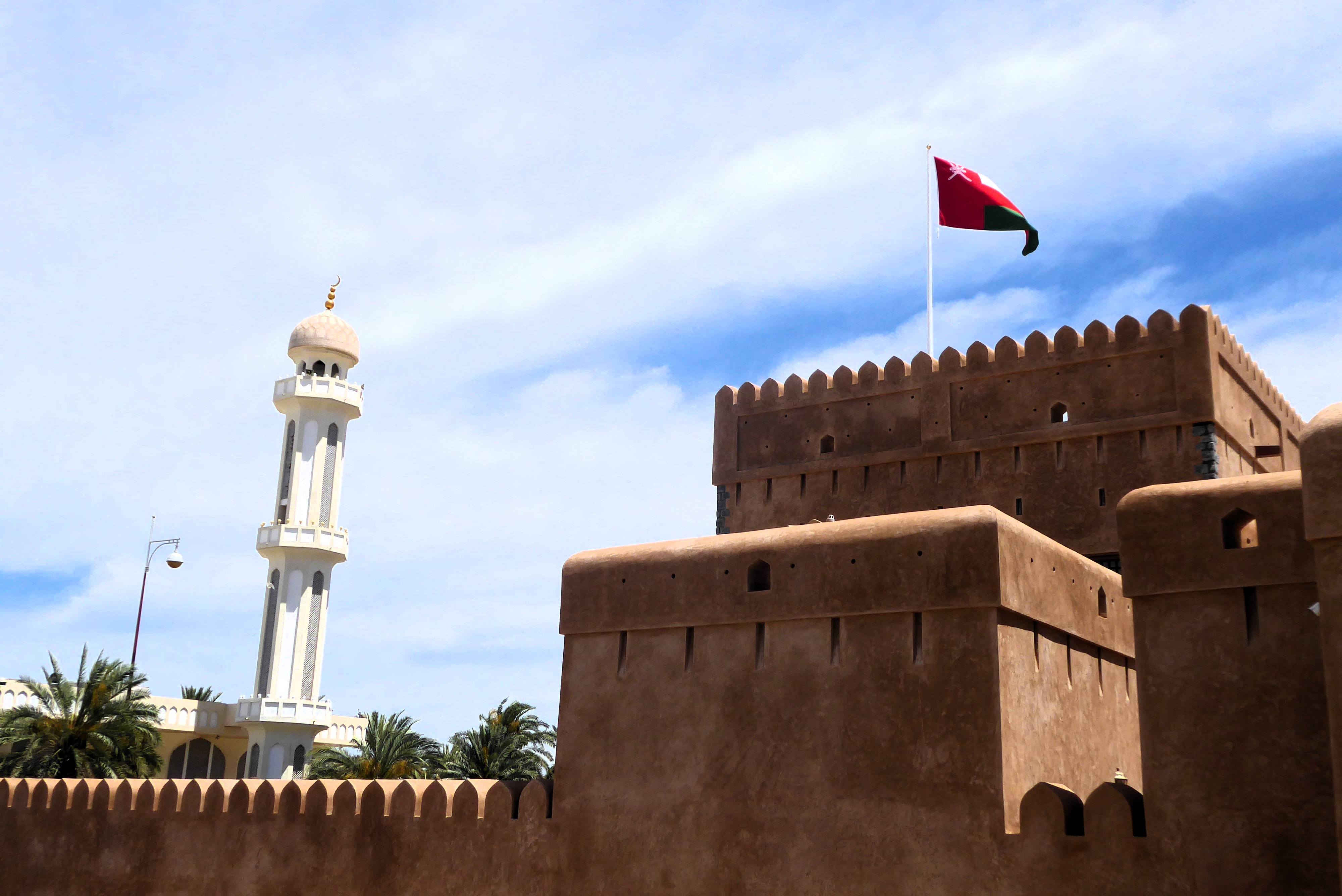
The town of Seeb, lying on the coast north east of Muscat, involved a long bus trip through endless suburbs, and a change of buses on the way. It was one of those journeys where I began to wonder about the point of it all. But after getting down from the last bus – after a journey of close to two hours – my doubts finally took a back seat in my soul as the enchantment of being Somewhere Else took hold of me – and my camera nerve swung into action…..
Categories: Middle East, Oman
 Serious Travel Images