When we travel, by whatever means and irrespective of our destination, it’s with one aim in mind: to experience something different: other people, other cultures, other places.
Incidents, episodes, experienced on the way remain embedded in the consciousness and they are valued, cherished and we try to capture them with a lens and preserve them for posterity.
‘Yes, these are moments when I truly lived’.
What is it exactly which exhilarates us when we leave home and go somewhere else?
For me it’s the cultural differences, the contrasts; its crossing borders, some of them defined by geo-political lines on maps – and others by changes in terrain and climate.
In late 2025, my partner and I flew to Almaty, in Kazakhstan and from there, flew to Urumqi in northwest China and travelled south by train through the Gobi Desert; then we flew to Manilla in The Philippines and took buses and ferries to the islands of Mindoro, Marinduque, and Negros.
We were 6 weeks on the way – and it was very much a journey of contrasts….
ALMATY
Formerly an integral part of Russia – or as it called itself then during the days of communism The Union of Soviet Socialist Republics – Kazakstan declared full independence from Russia on December 16, 1991. Todaynit is a sovereign nation, managing its own domestic and foreign affairs, and is a member of the United Nations and other international organizations.
Nevertheless, the past is still everywhere evident, from the old buildings to the language written and spoken.
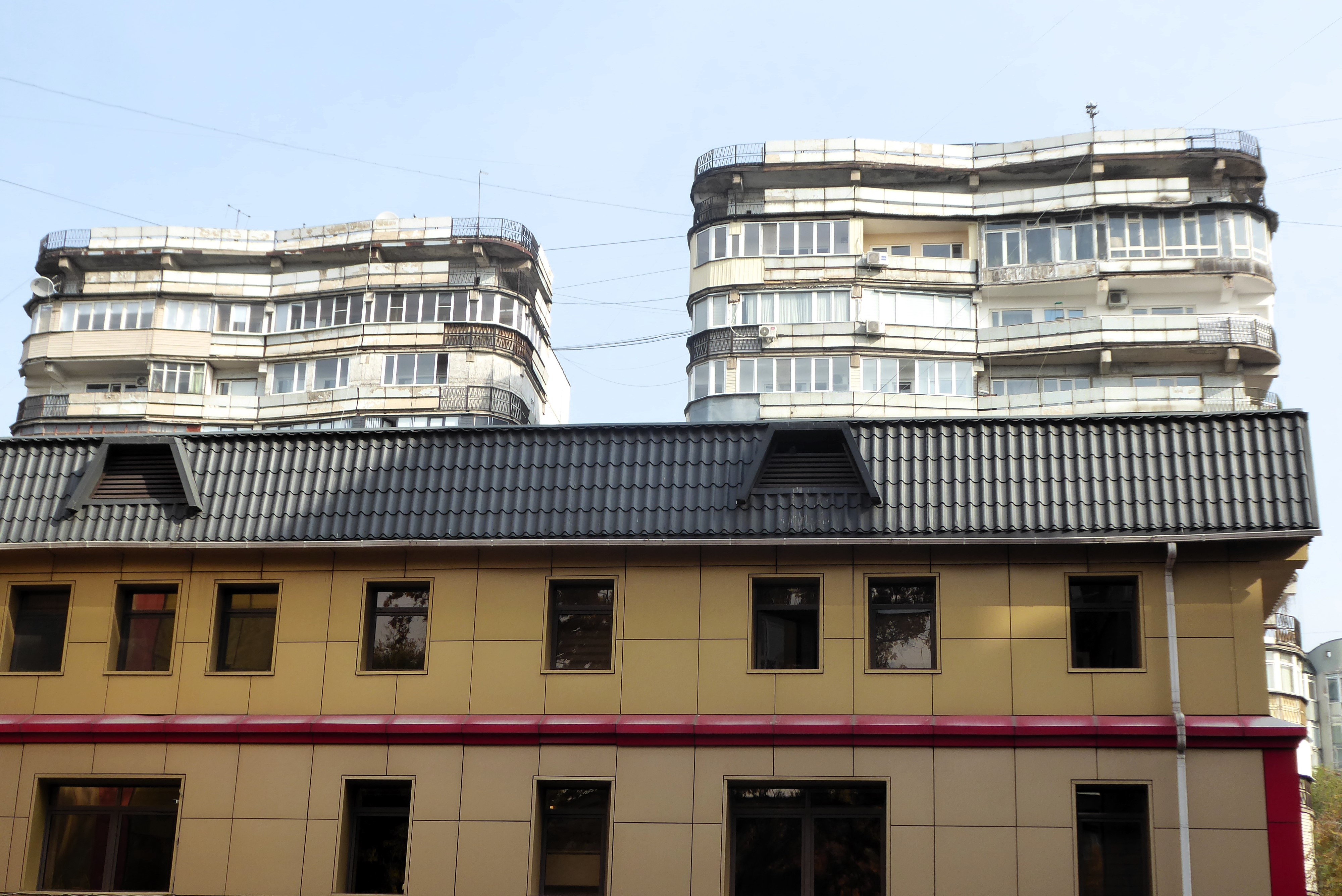
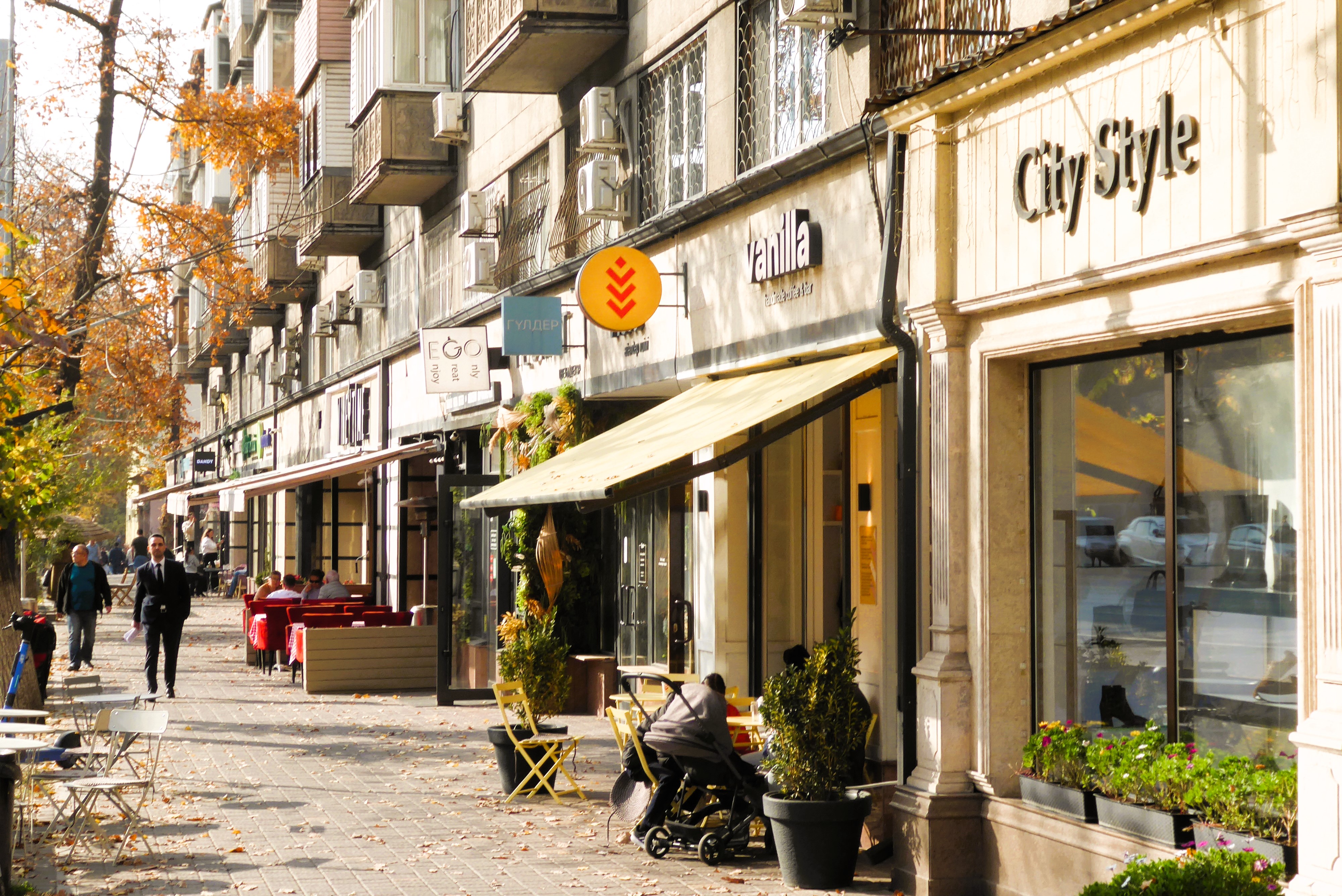
The old and the new; the old apartments built when the country was a Russian colony.
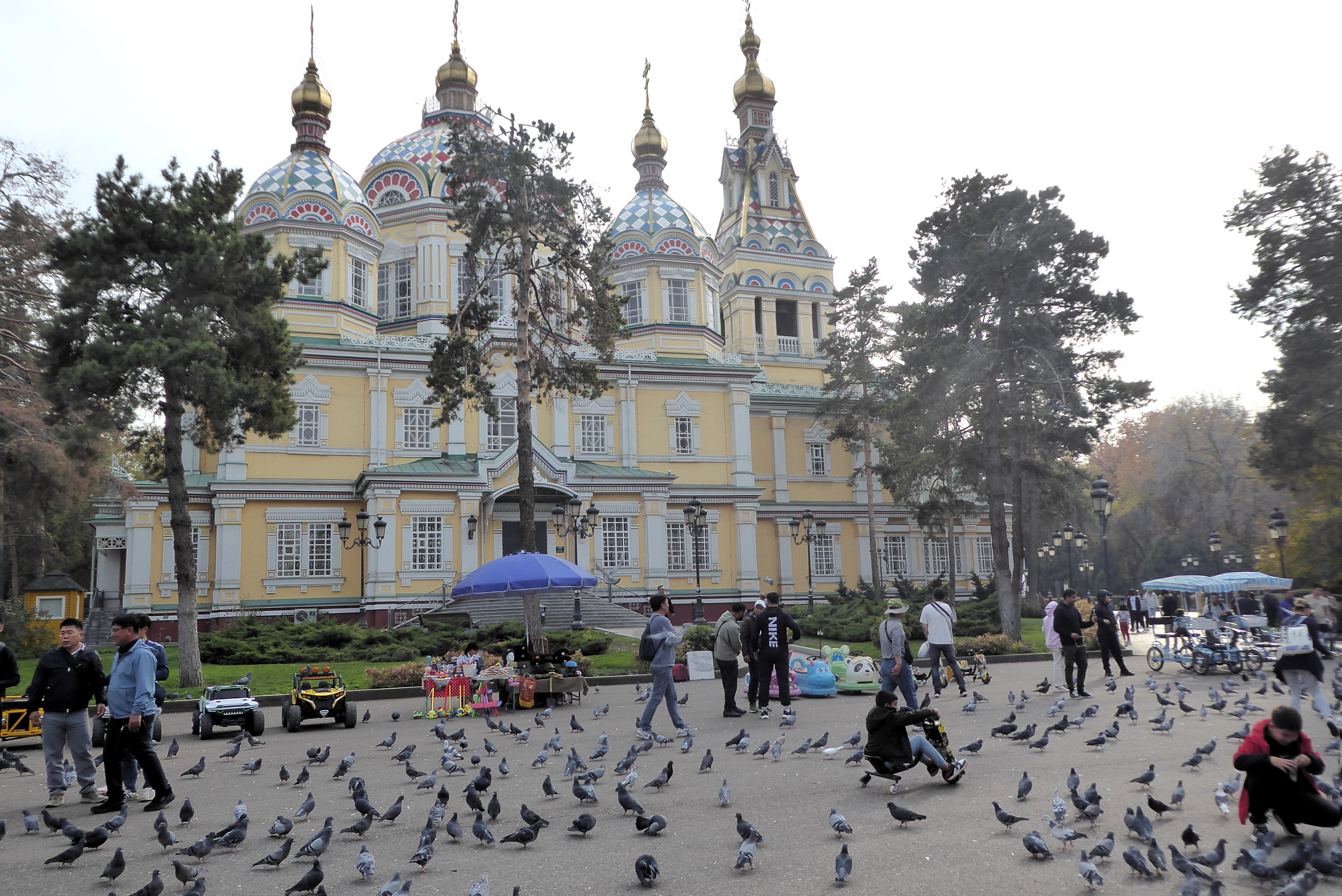
An Orthodox Church, similar to what one can see in Russia, Serbia, Moldova and The Ukraine – with the familiar golden domes.
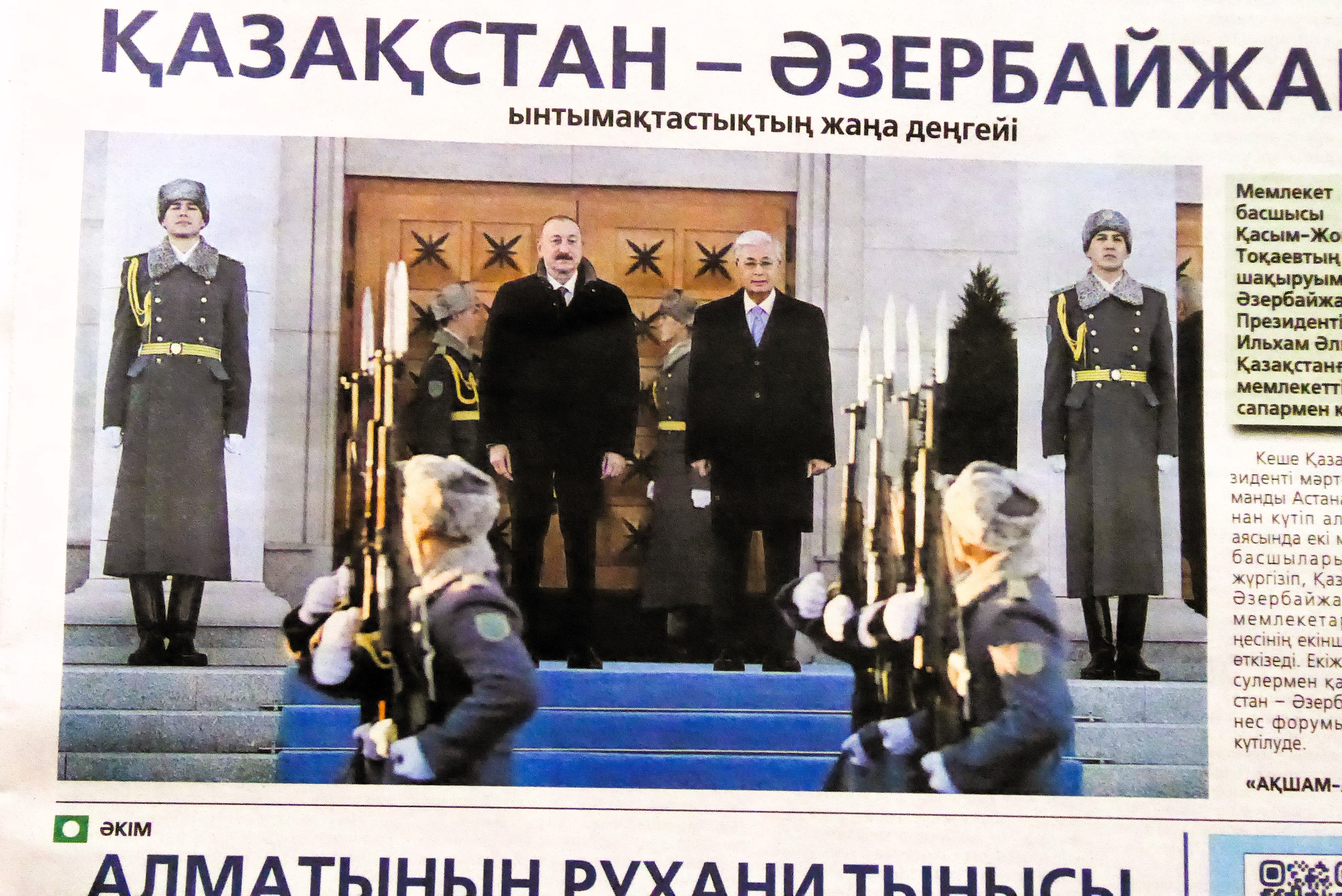
A clipping from a local newsaper featuring the President and vice President of Kazakstan – and very much a Russified scene….
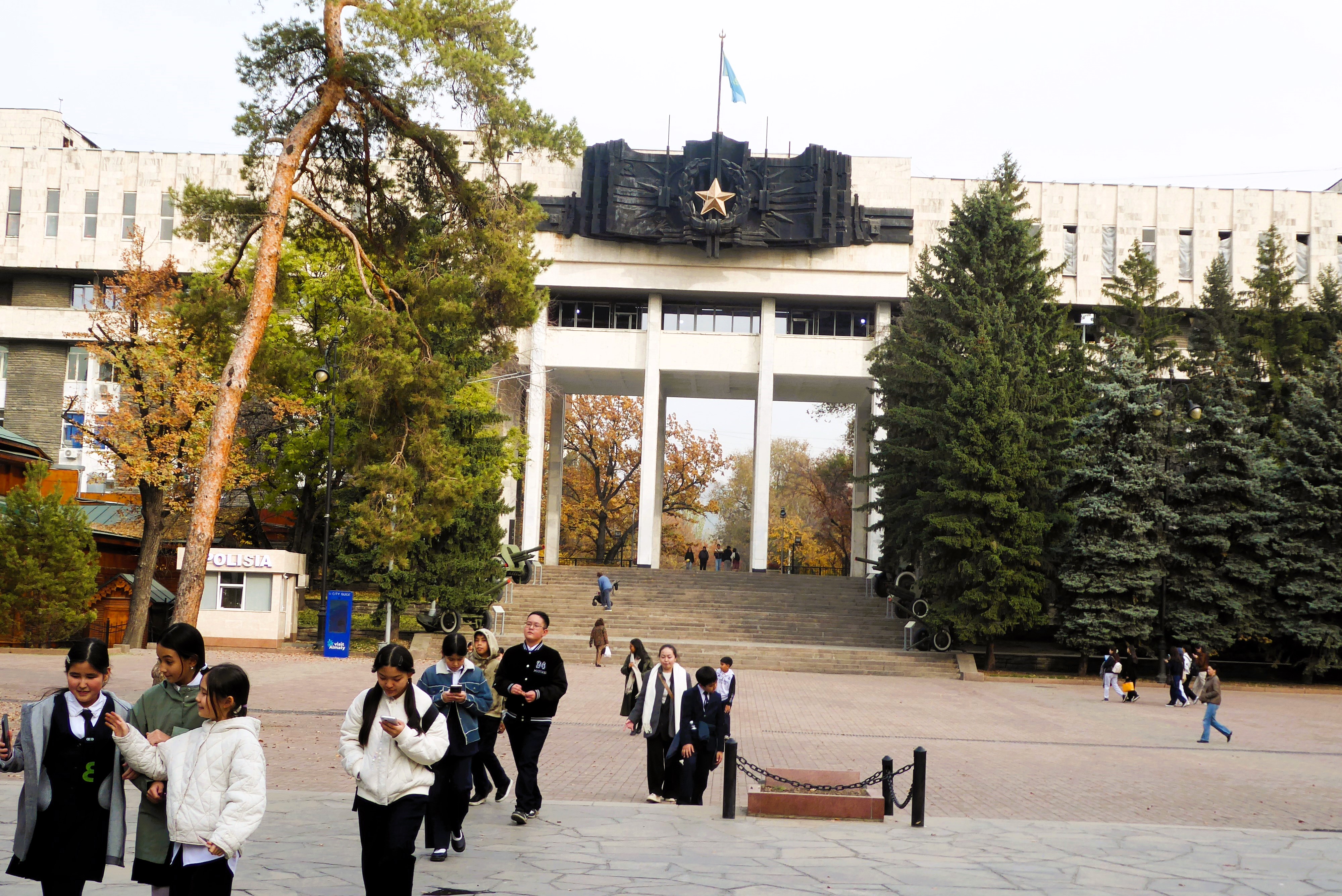
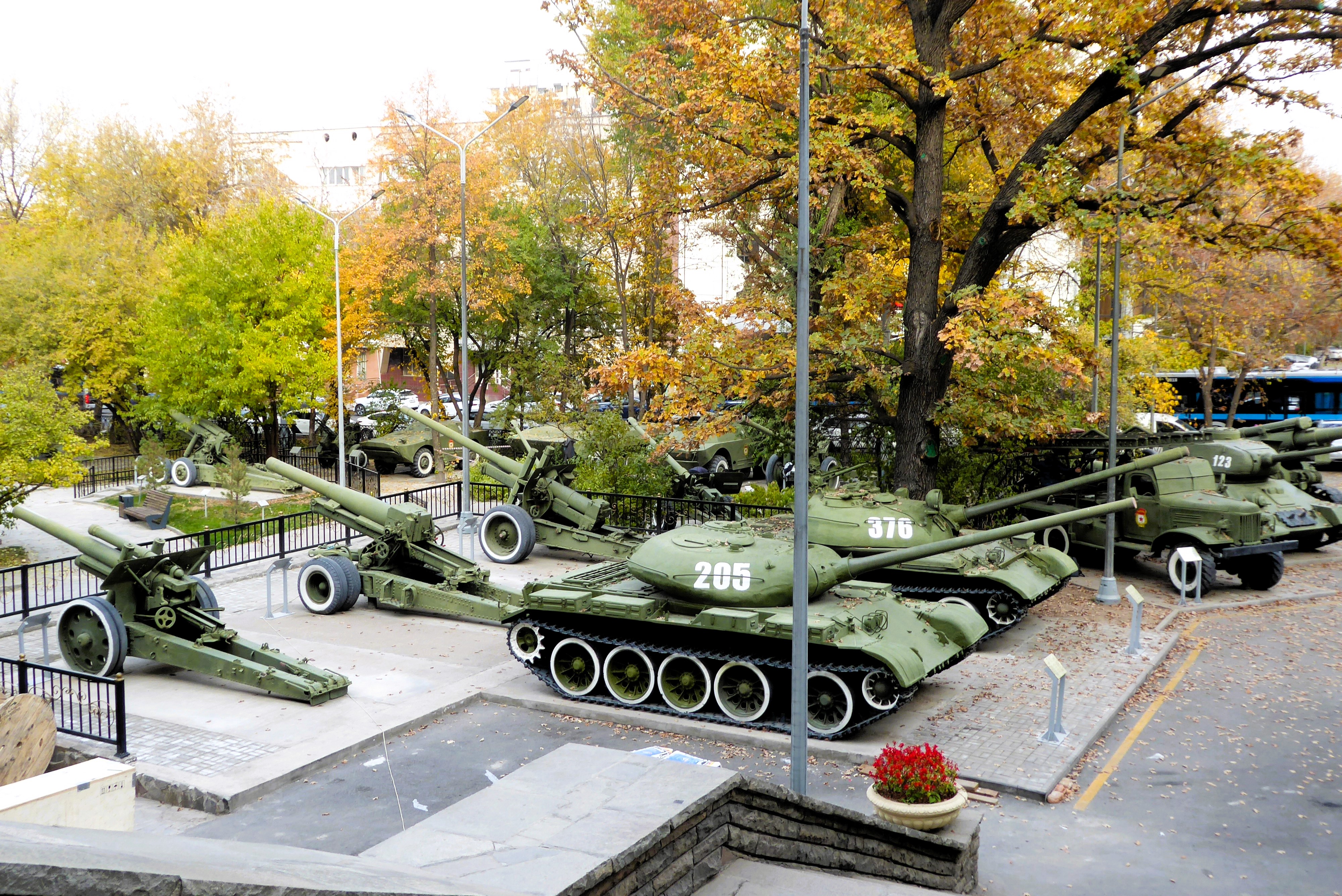
A park with the relics of Russian tanks etc from the Second World War; the park itself is a relic today, but in the past was the scene of officially enforced reverance for the Russian ‘liberation’ in 1947.
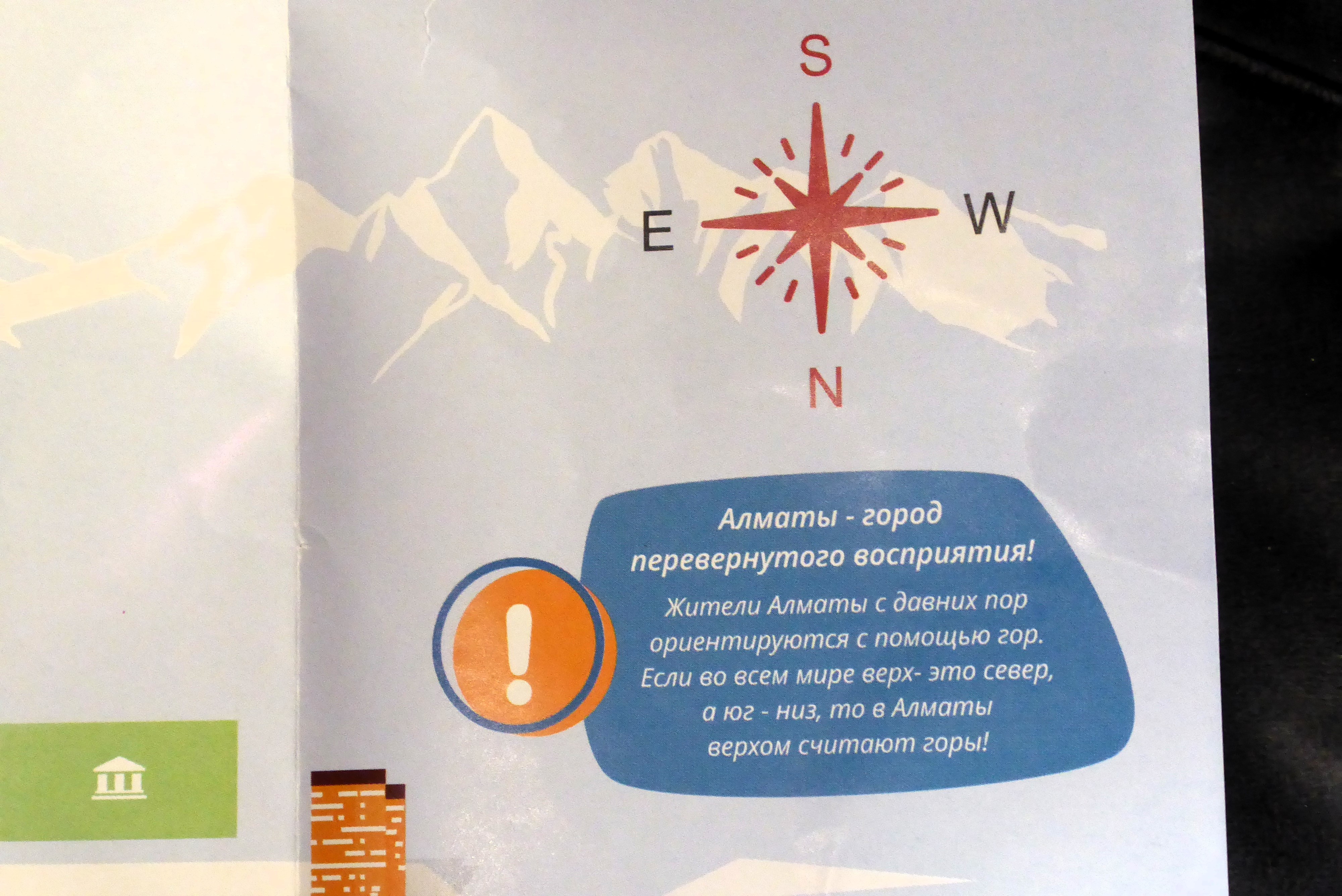
There was something odd about the city map we got from tourist office and it took us a while to work out what it was: north and south, east and west on the map compass are the opposite of what we use in Europe and North America.
The quintessence of viewing the world from a different angle….
NORTH WEST CHINA
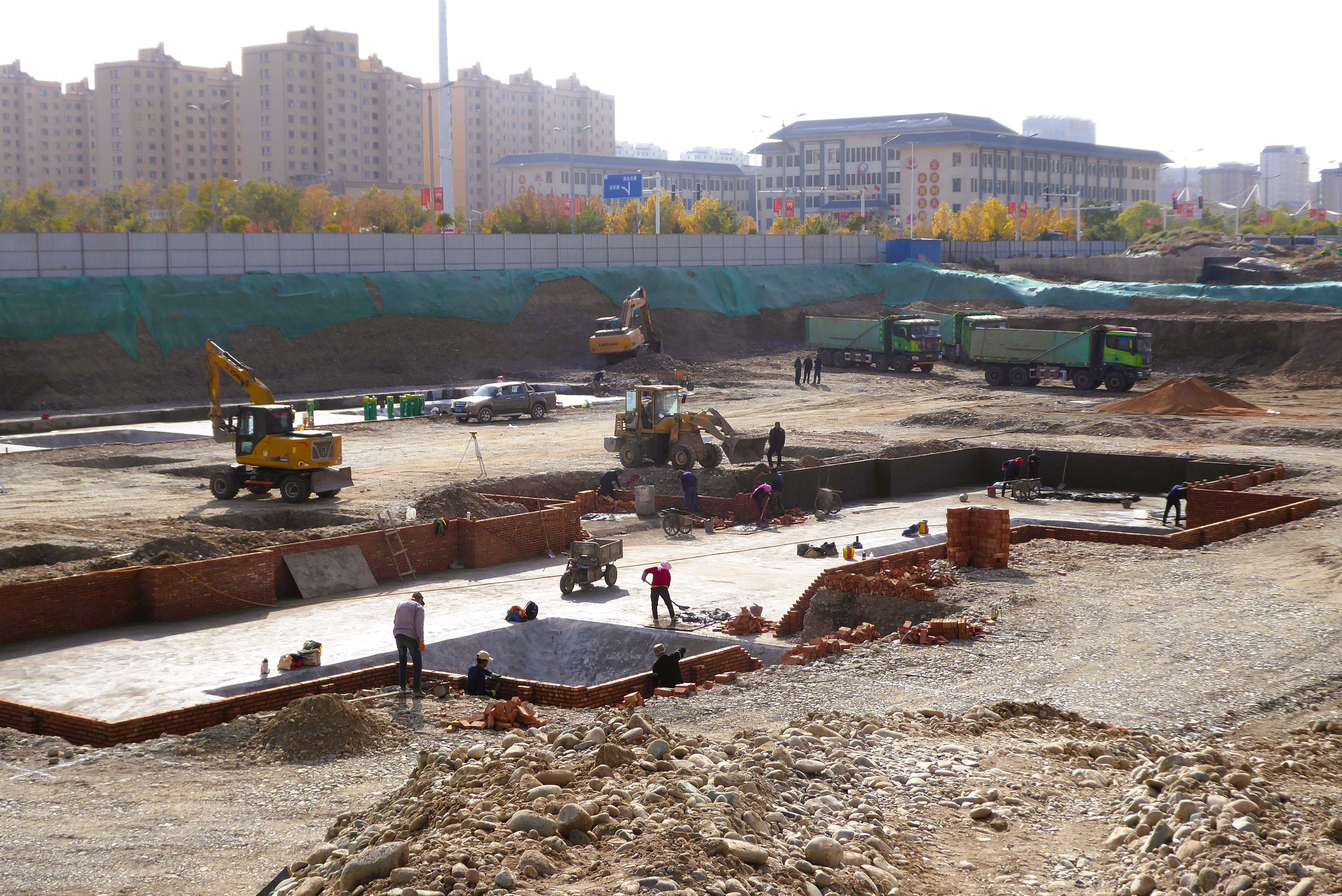
A common sight in China: building sites, preparing the way for yet more high rise towers
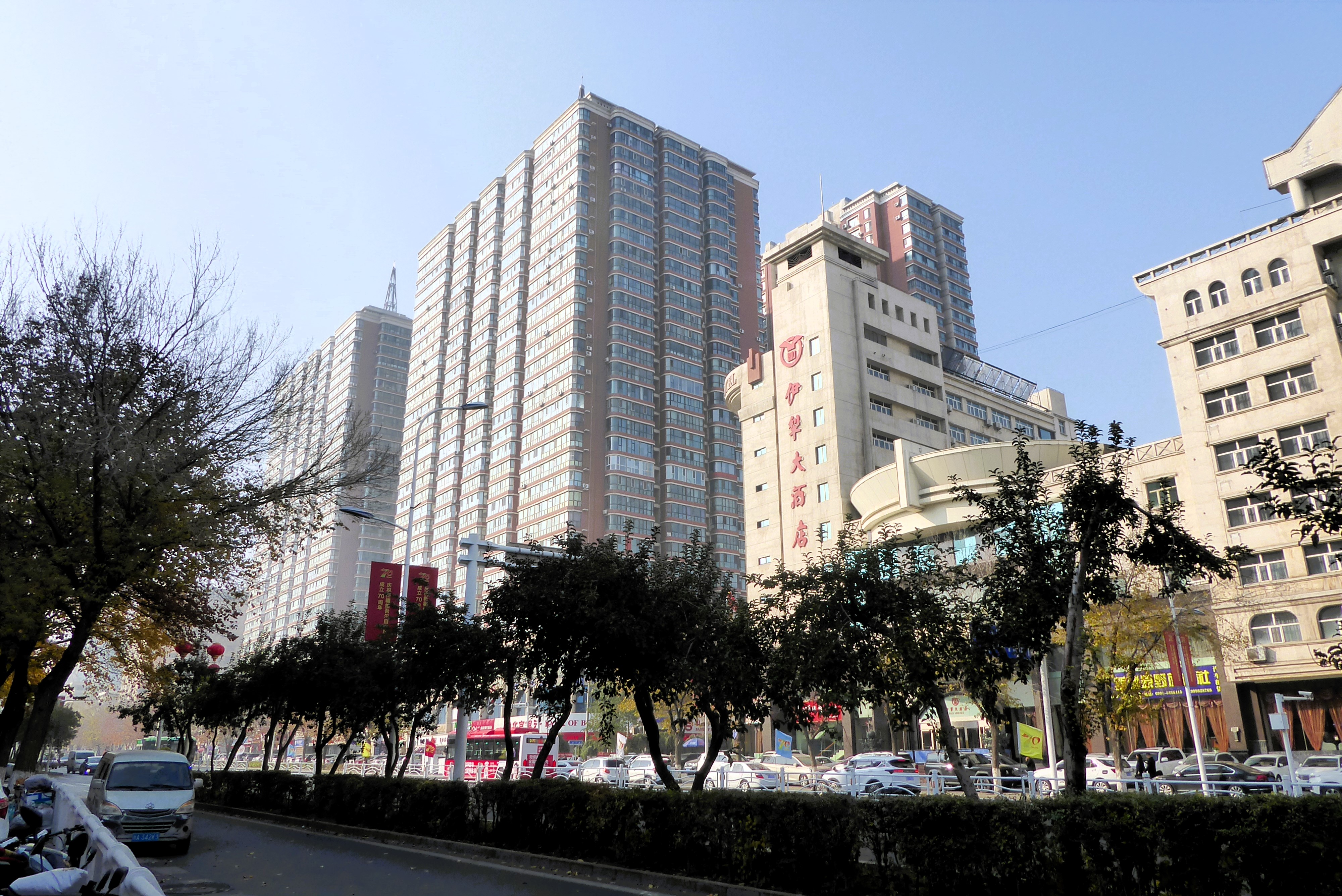
Arriving in Urumqui, its hard to associate that exotic name with the once distant trading post at the far outskirts of China and overwhelming inhabited by the Moslem Uighurs.
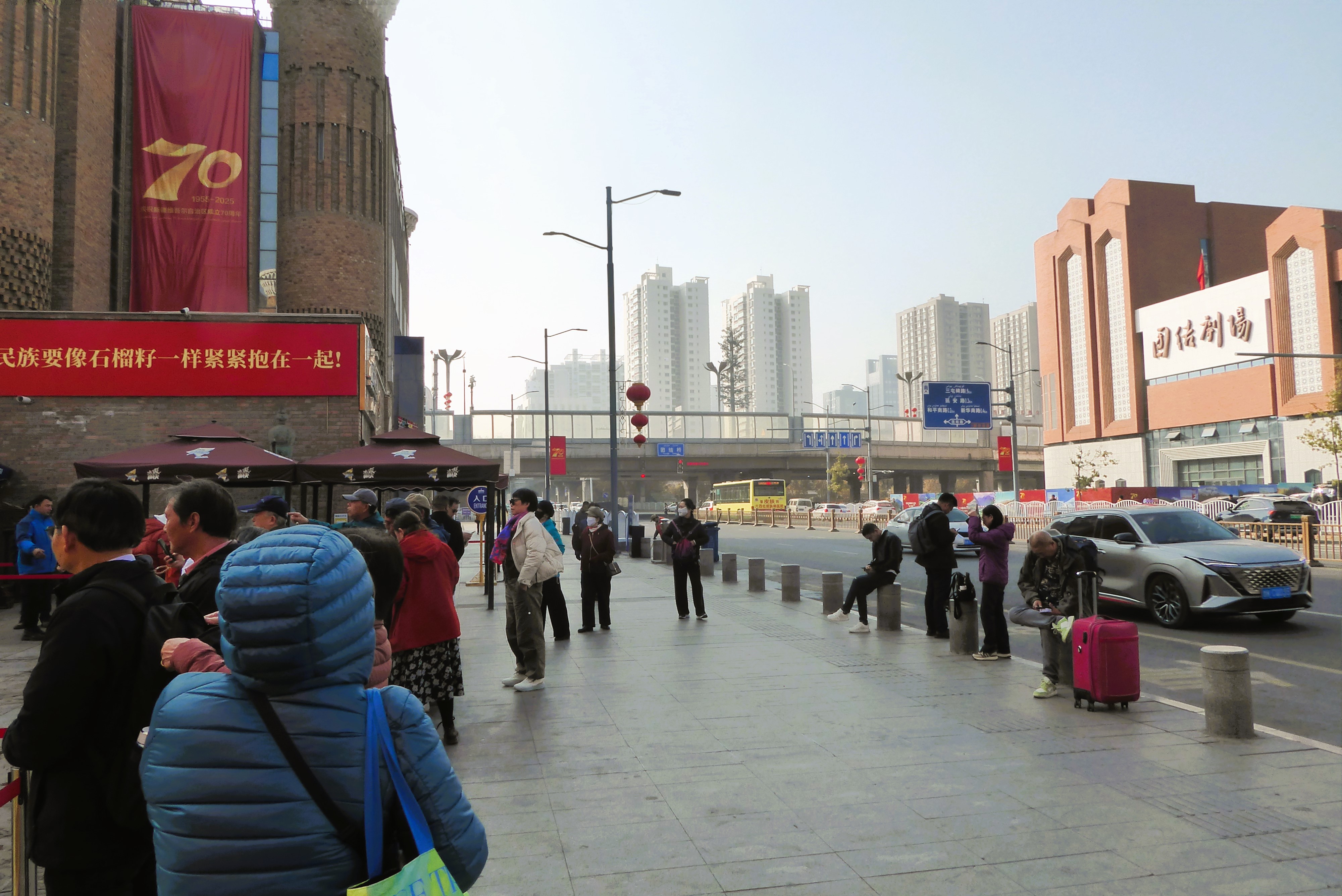
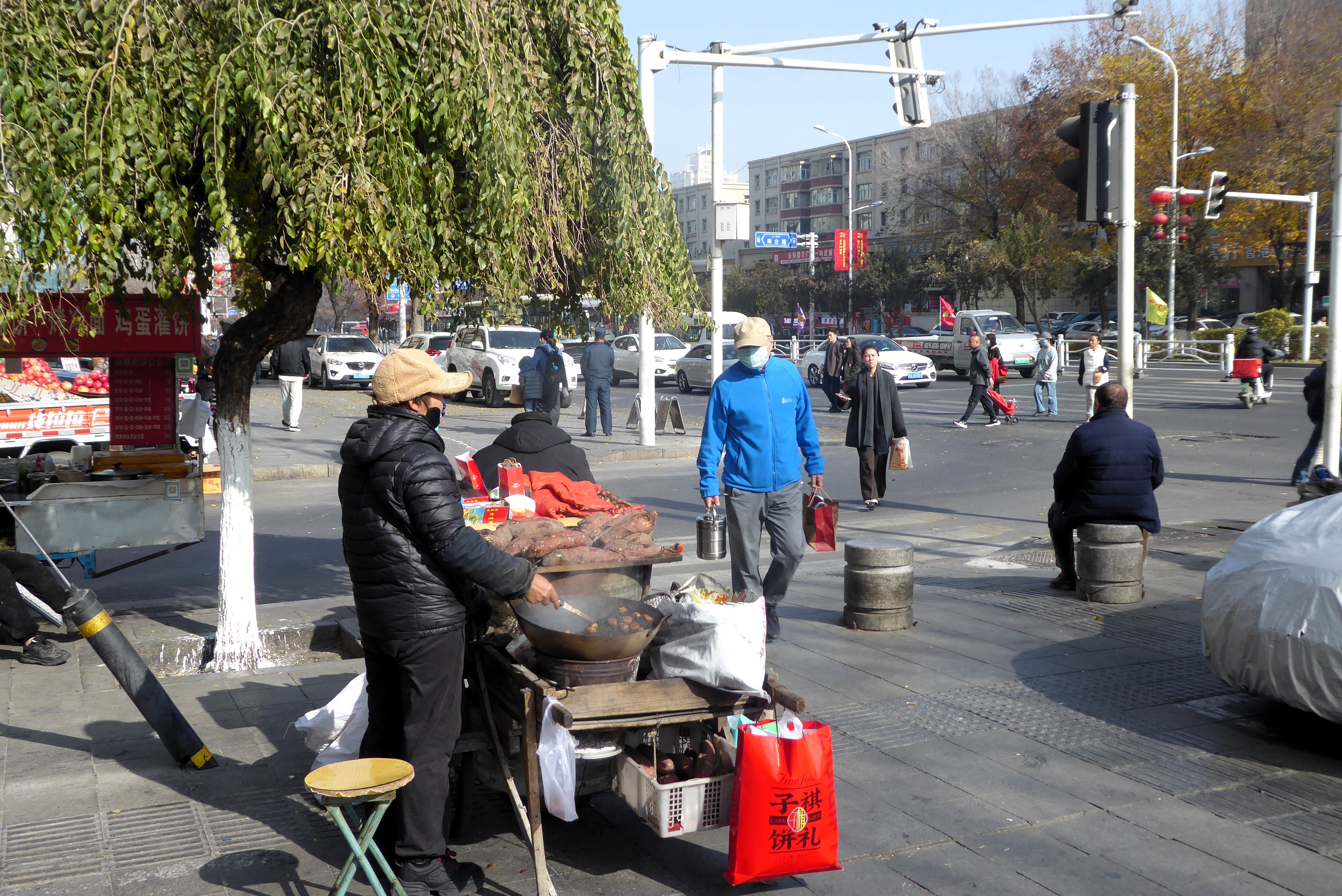
Street life on the pavements of Urumqui where it soon becomes obvious that despite the Chinese Miracle, there are still many people living hard lives
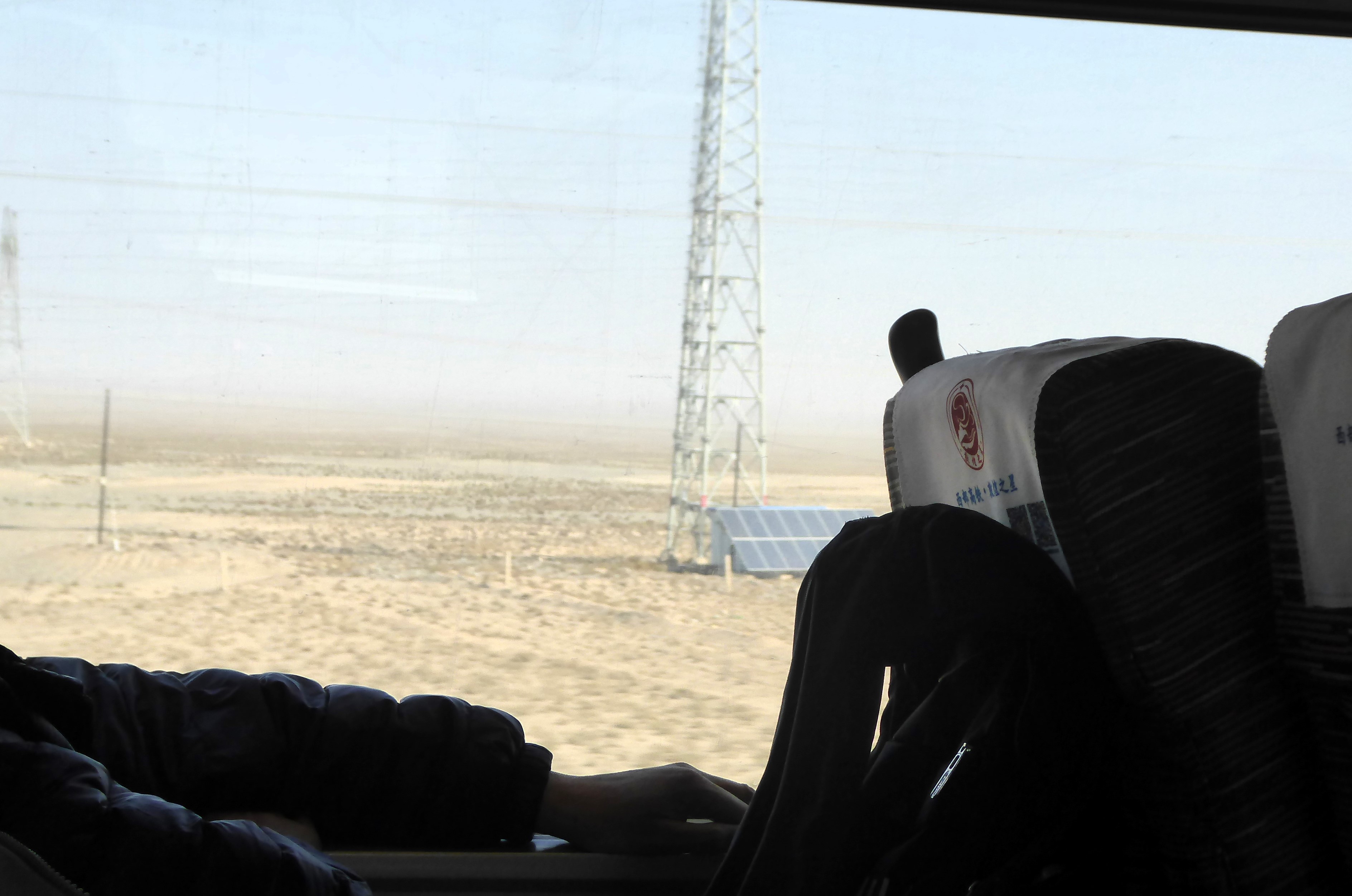
Even on the Bullet Trains, travelling across the Gobi Desert is time consuming and the scenery soon becomes monotonous.
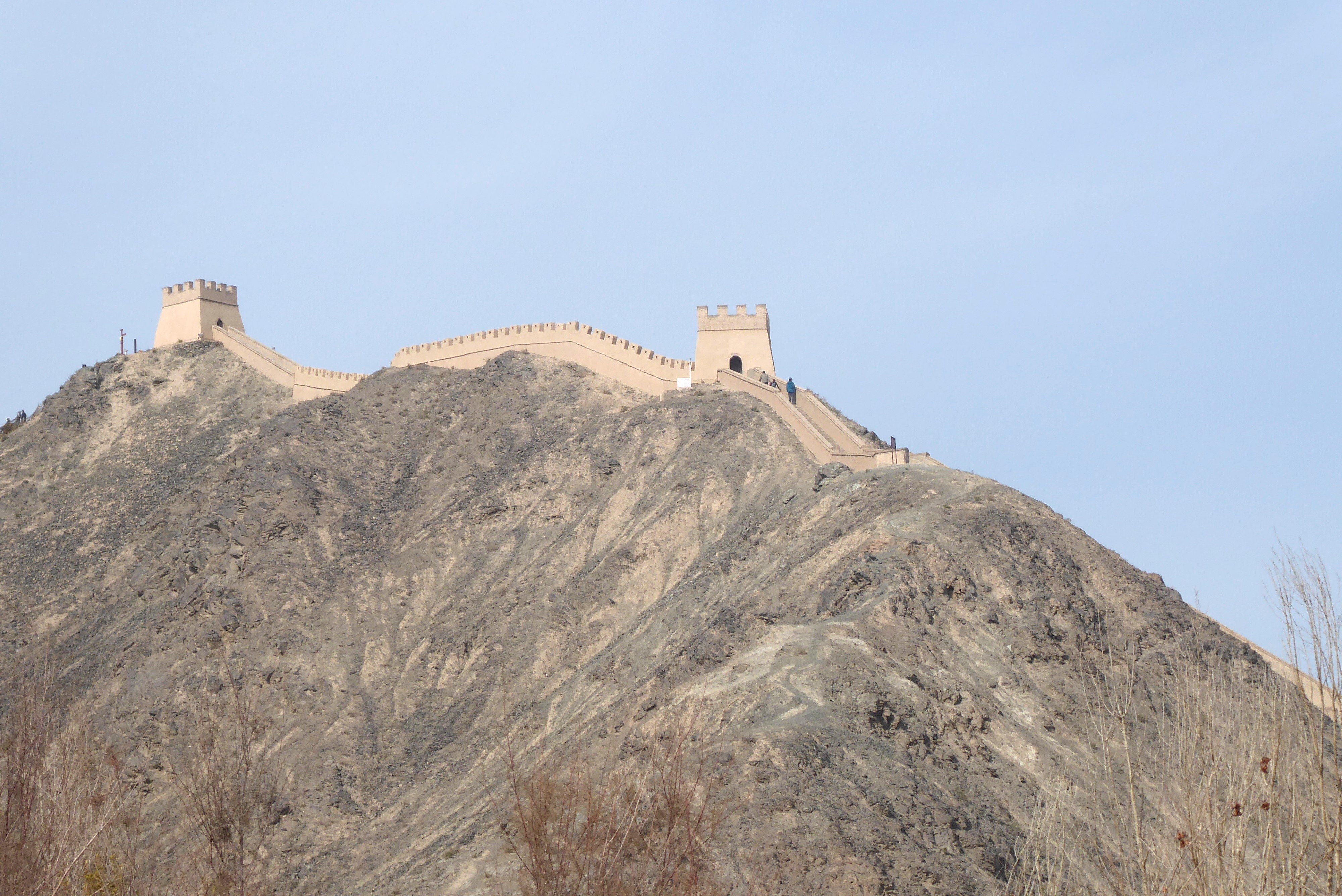
It’s in the Gobi Desert that the Great Wall, that extraorindary structure and in so many ways an apt symbol of China ends – the Emperors rightly concluding that an invasion via the Gobi was very unlikely – it forming a natural defensive barrier.
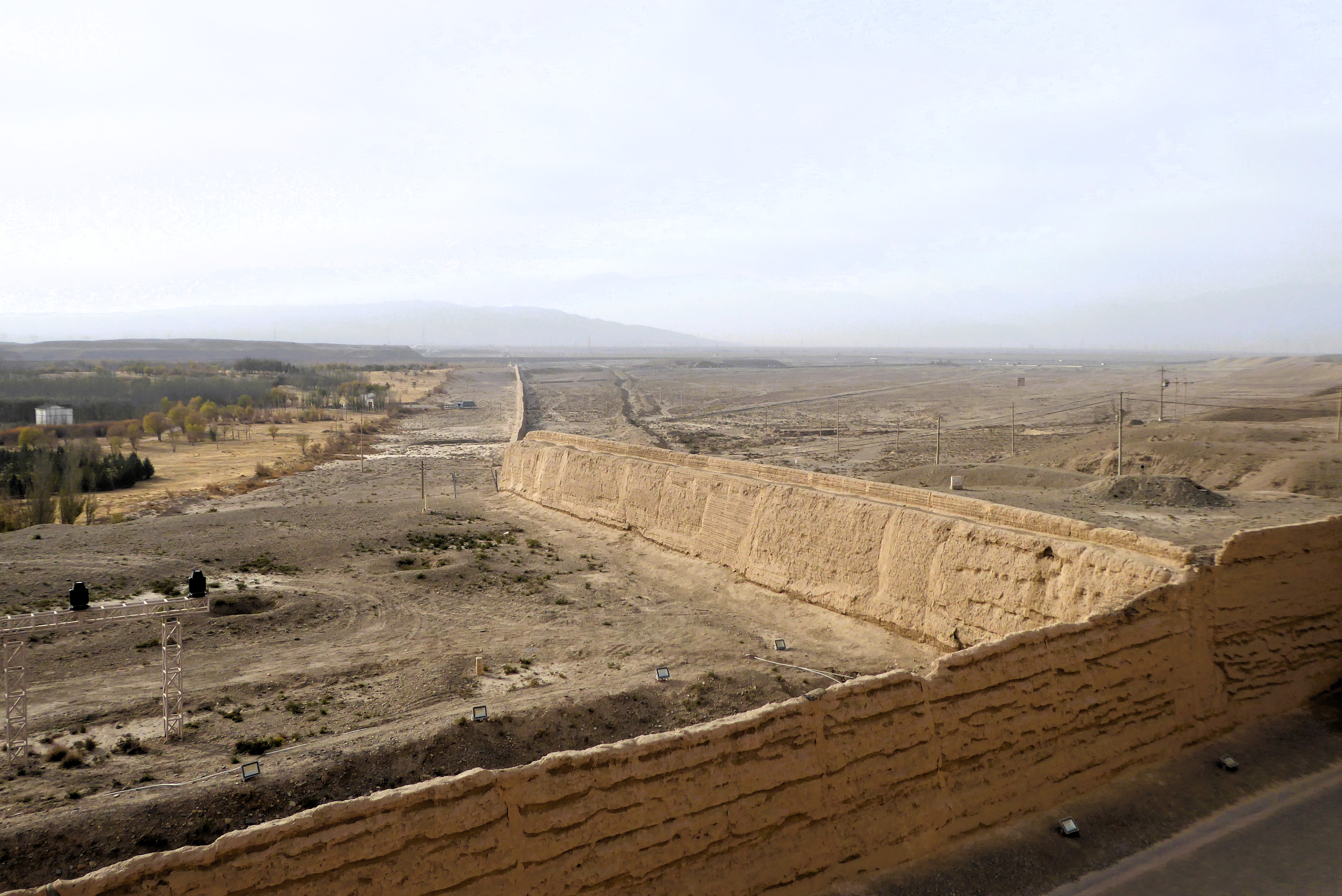
The final section of The Great Wall vanishing into the Gobi Desert – is just that…..a wall.
THE PHILIPPINES
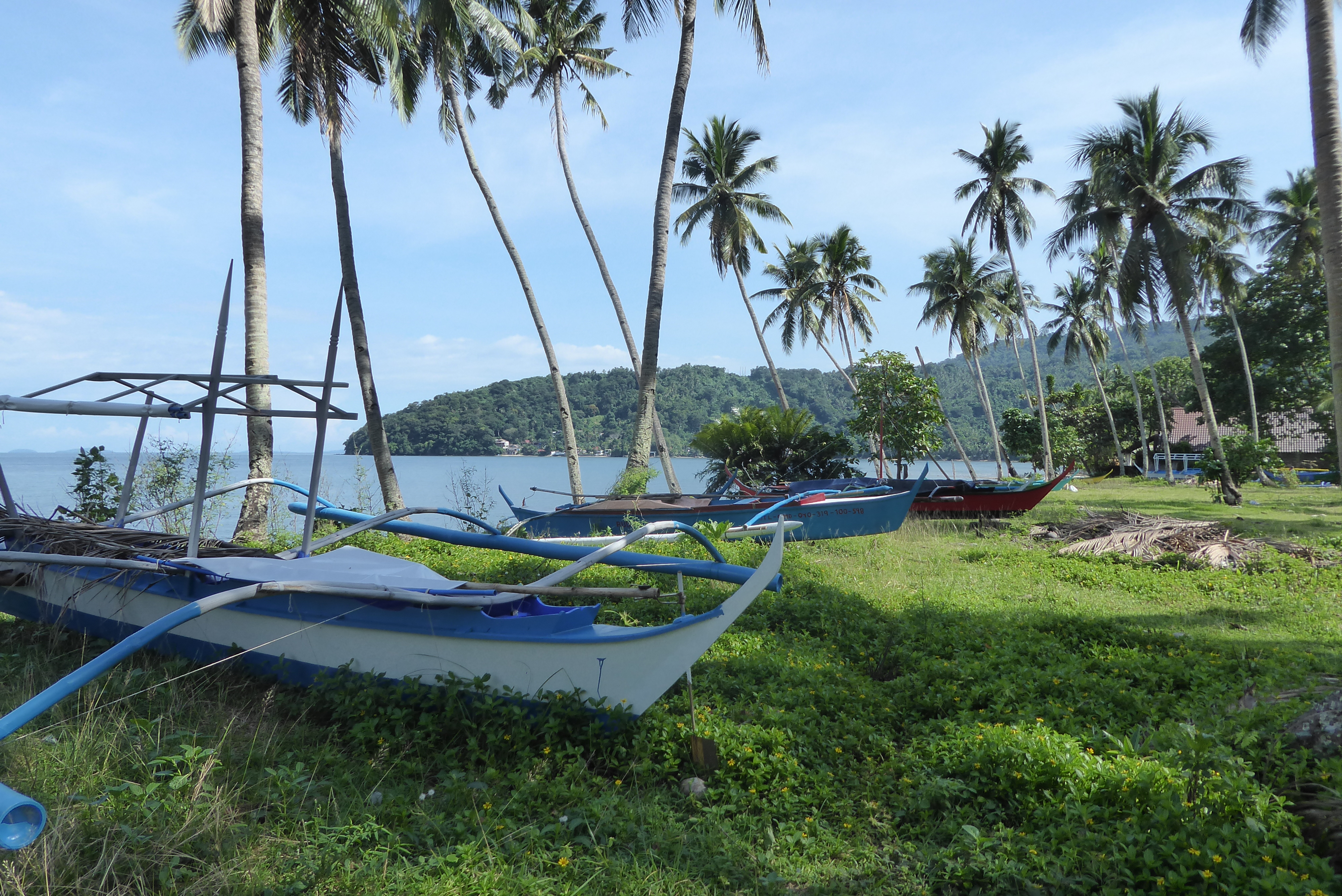
From a desert – the Gobi and the endless deserts of high rise towers, concrete and glass – to the lush green of The Philippines and a people who know how to smile.
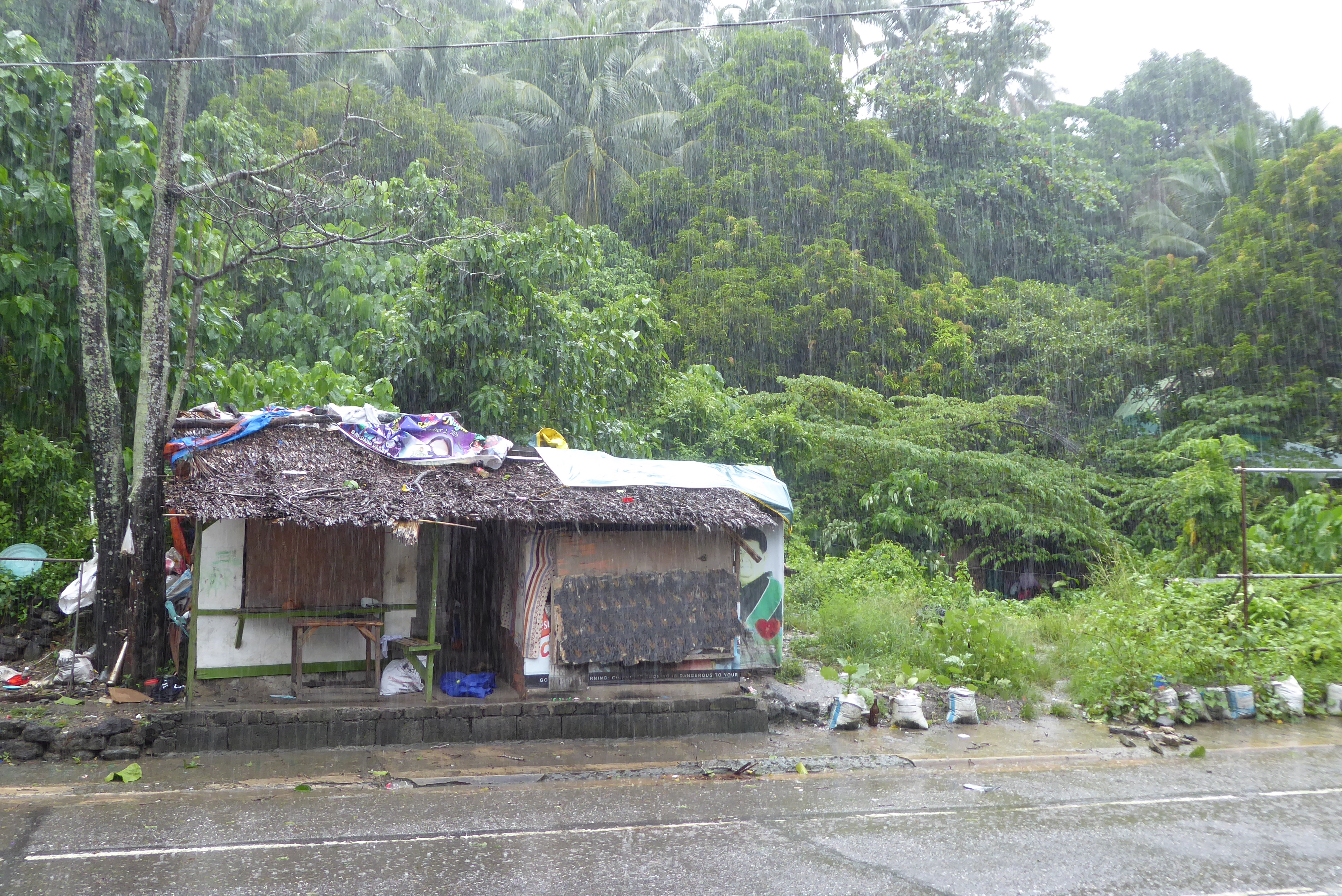
Heavy rains in the aftermath of a typhoon, one of 20 typhoons which hit The Philippines every year
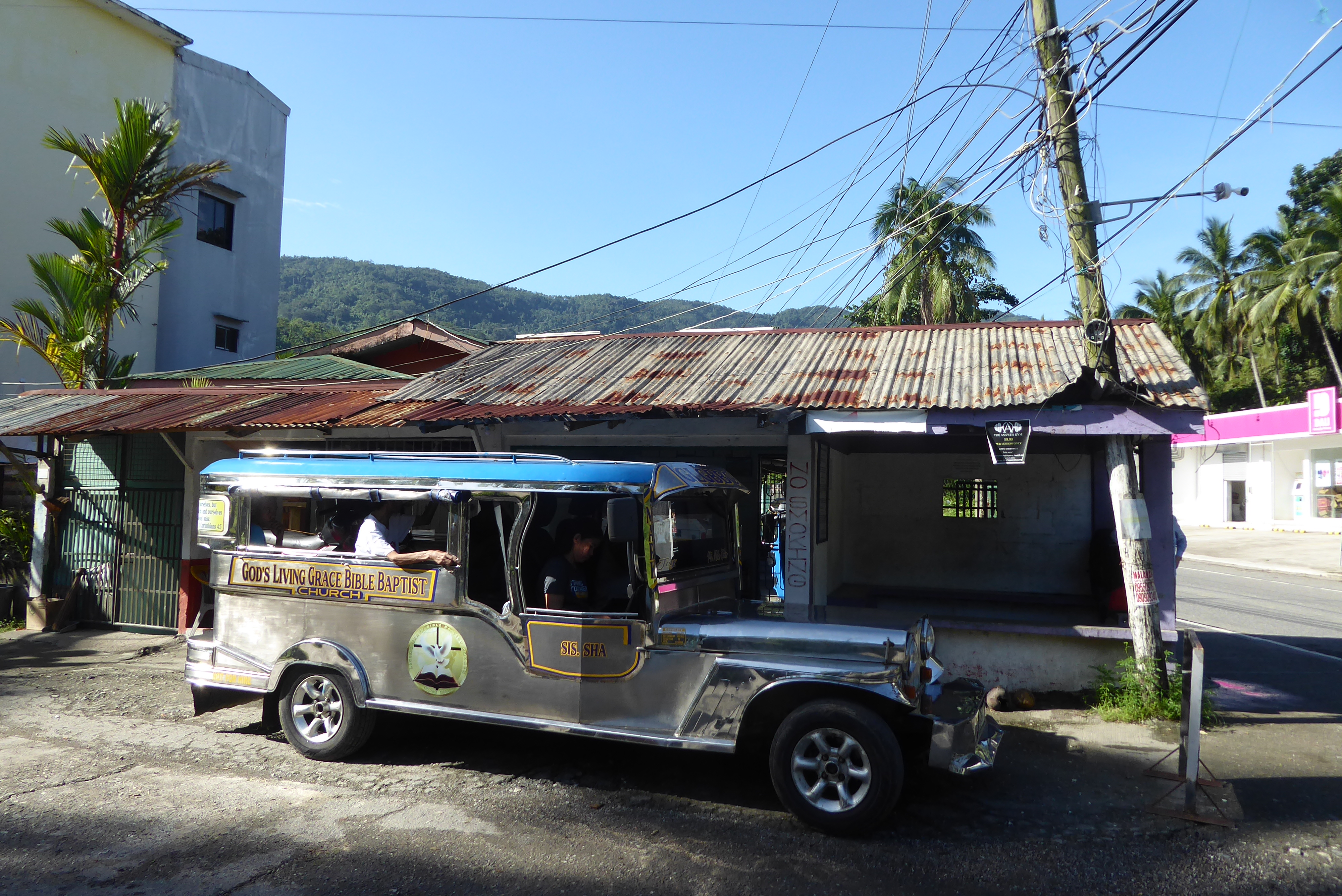
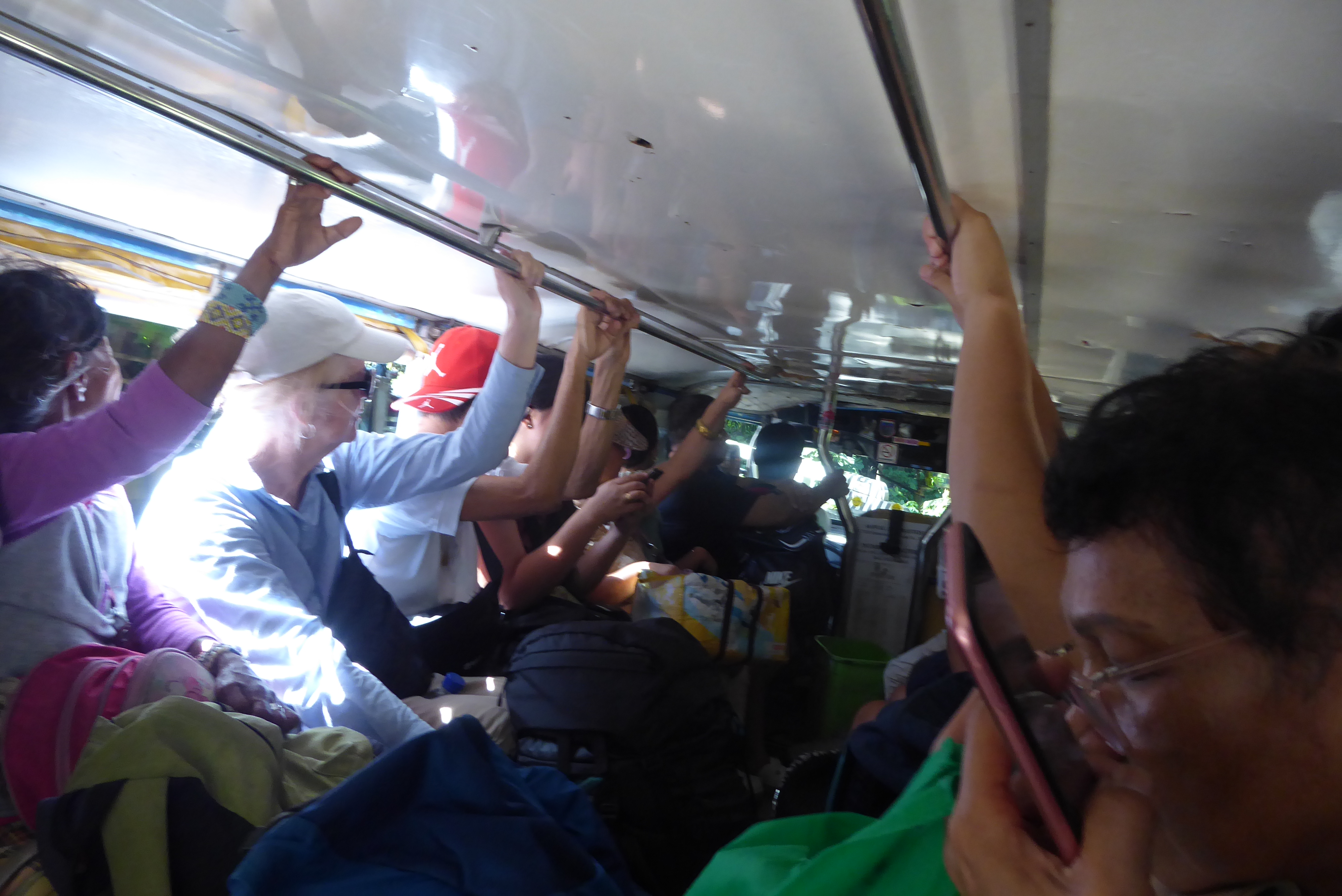
A common form of transport for the many people who cannot afford a car: the Jeepney. Something between a bus and truck, open at the back with two long bench seats either side. As we discovered to our surprise, it doesn’t matter if you want to get into a crowded jeepney with rucksacks – people will always make room for you.
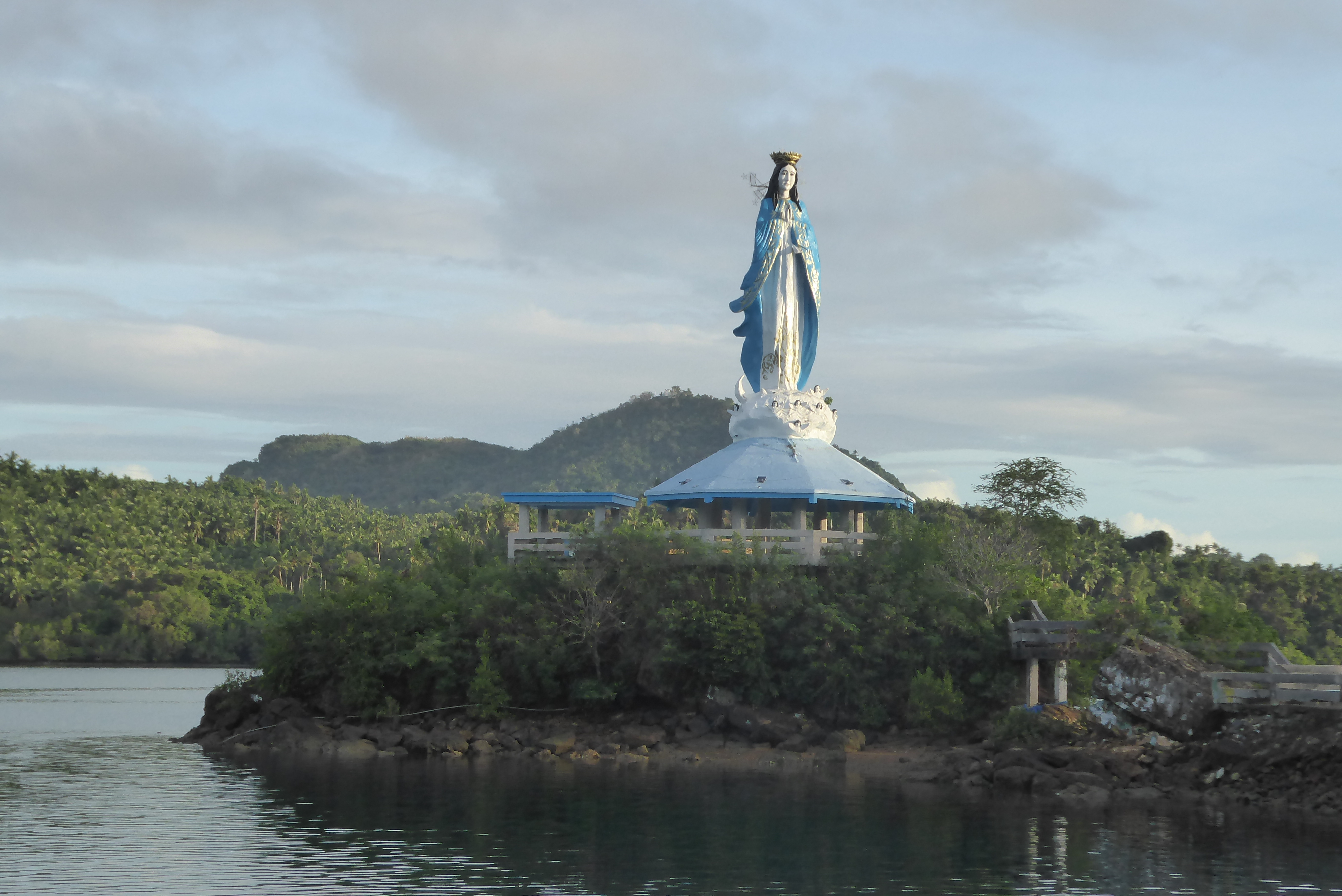
In China, religious worship is banned. In The Philippines, most people are Christians – and its very colourful and flamboyant worship – this beautiful statue of Mary which I saw rising from a small island whilst looking out from an inter island ferry being a fine example.
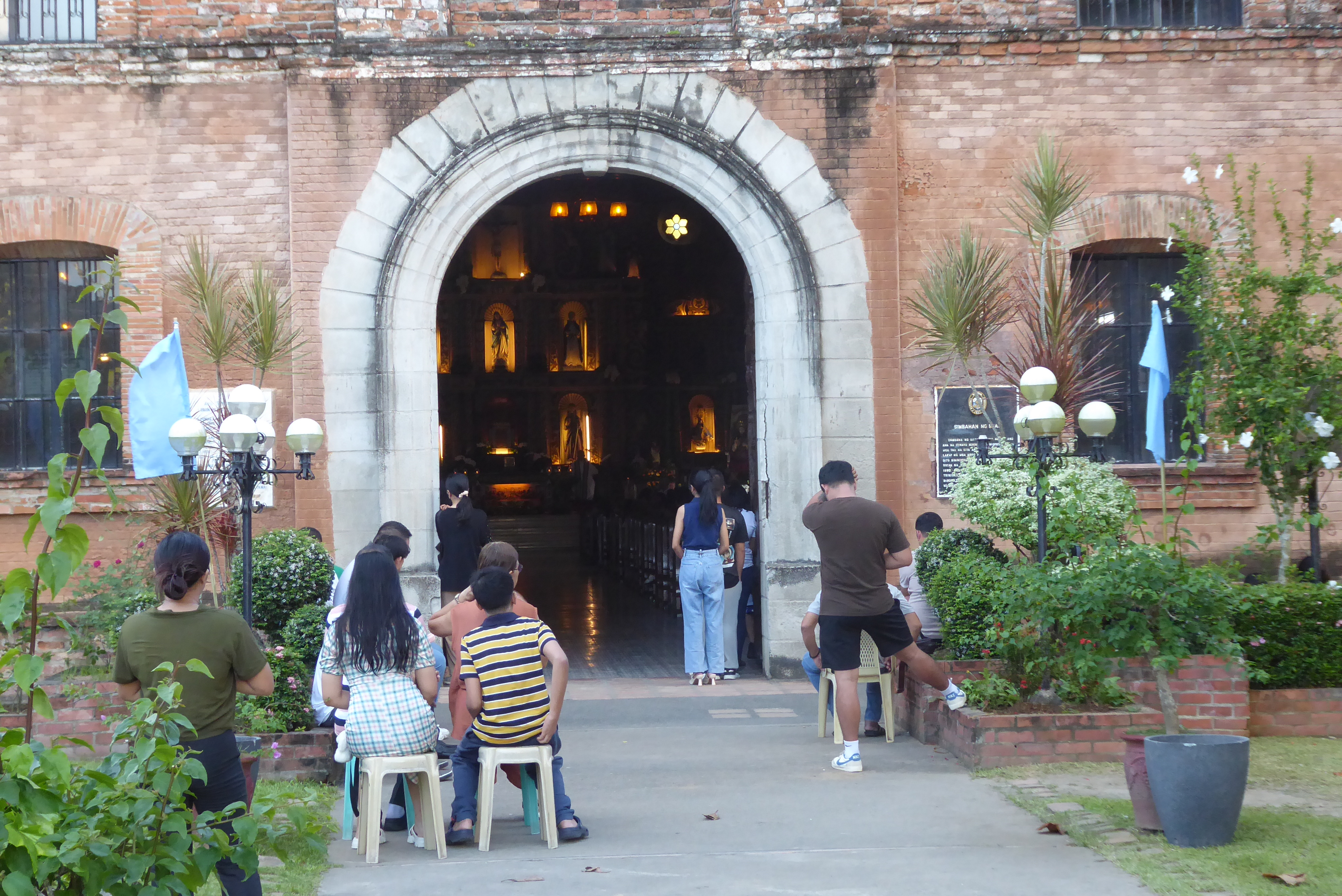
Sunday – and this cathedral, built in 1896 by the Spanish – holds five services and every one of them is full of worshippers from the elderly to the very young – and plastic chairs provided for those who can’t find a place on a pew inside (the services, in this case given by a woman, are also broadcast outside).
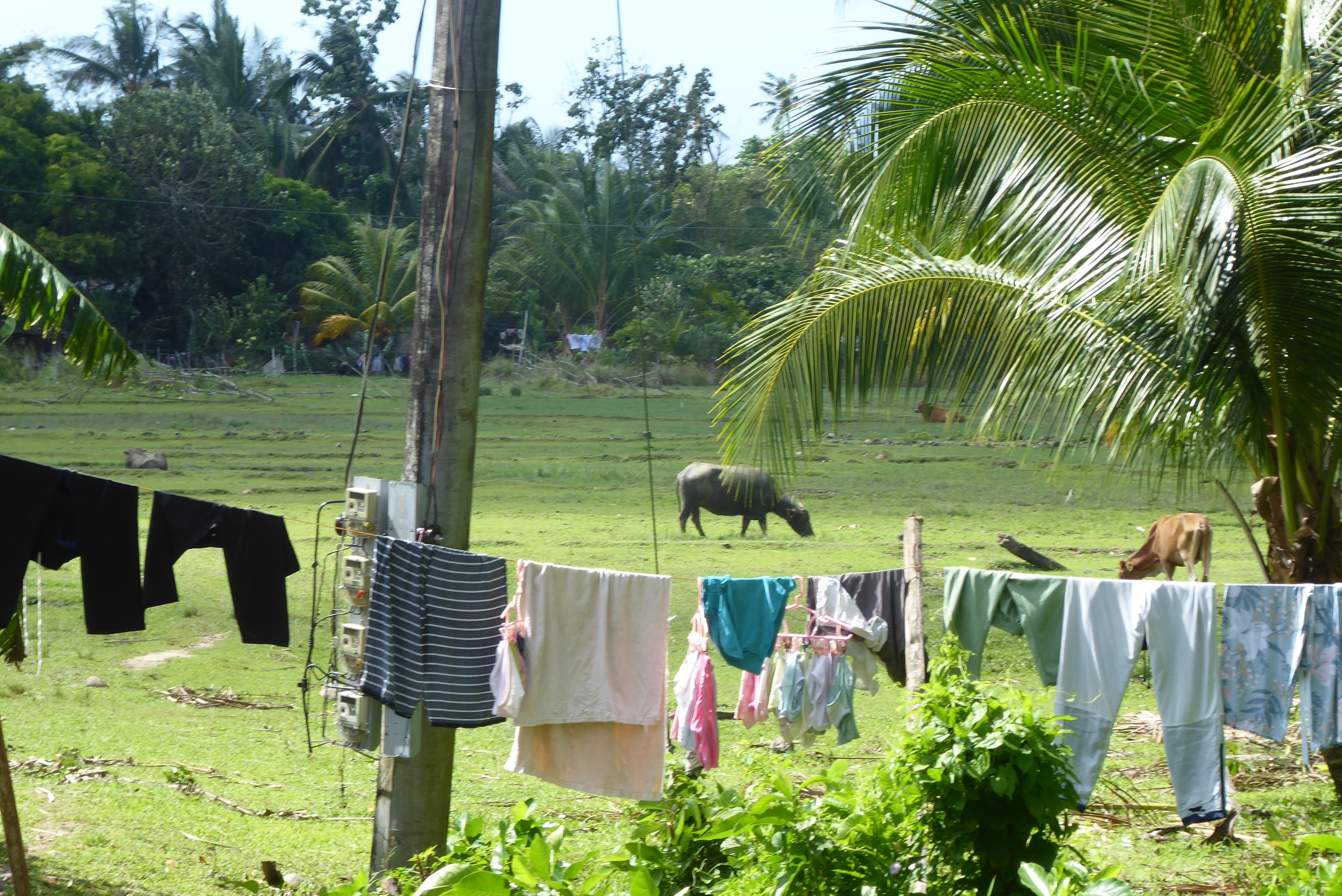
Focus on The Philippines – Part 1
Categories: Asia, China, The Philippines
 Serious Travel Images