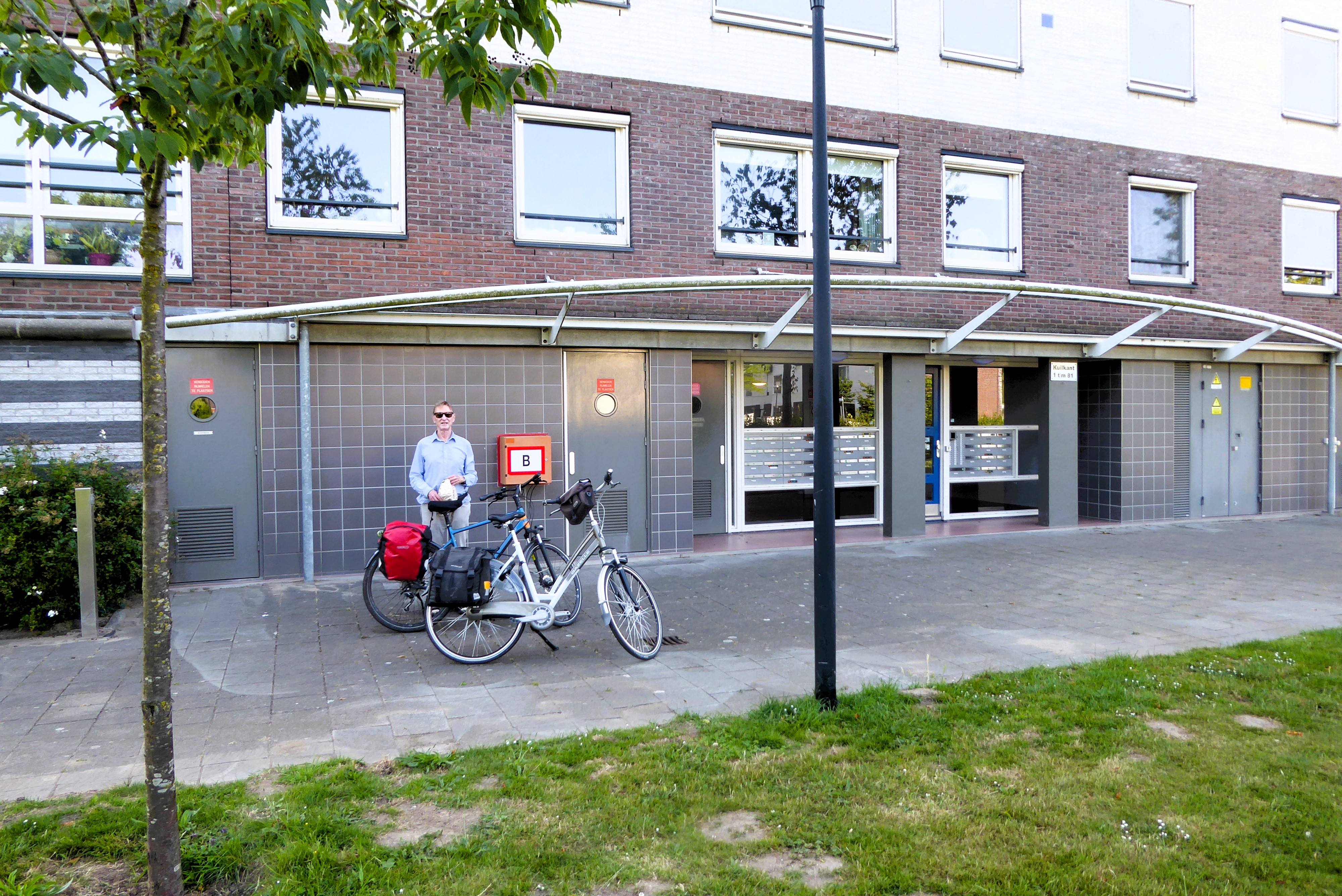
Departing our apartment block (we are on the fifth story) in Rotterdam, with the plan of riding to the south of The Neterlands and across the border to Flanders, the northern Dutch speaking province of Belgium. The little hills and patches on the grass in front of me are from moles, an ubiquitous animal in The Netherlands with its deep, wet earth devoid of stones or rocks.
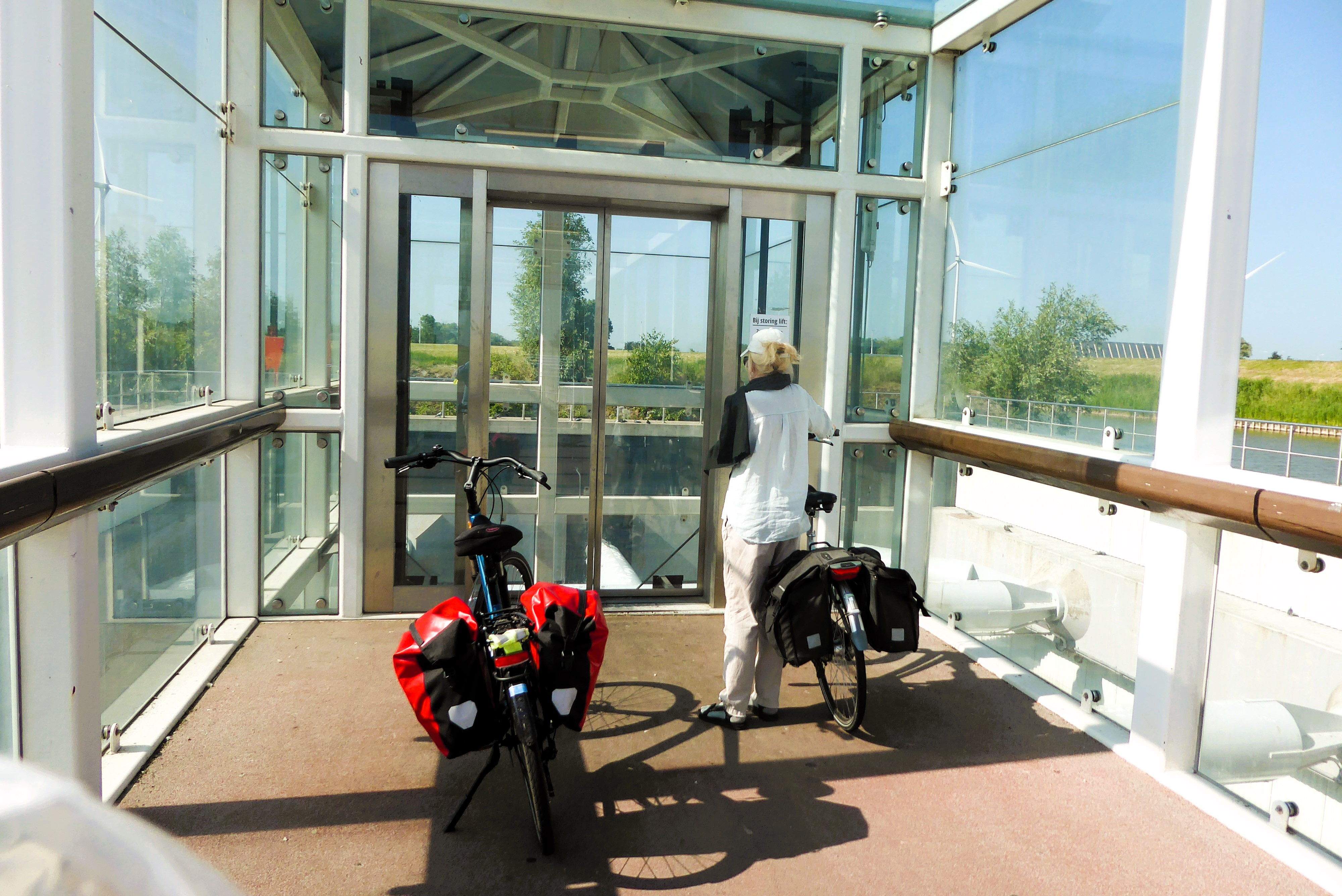
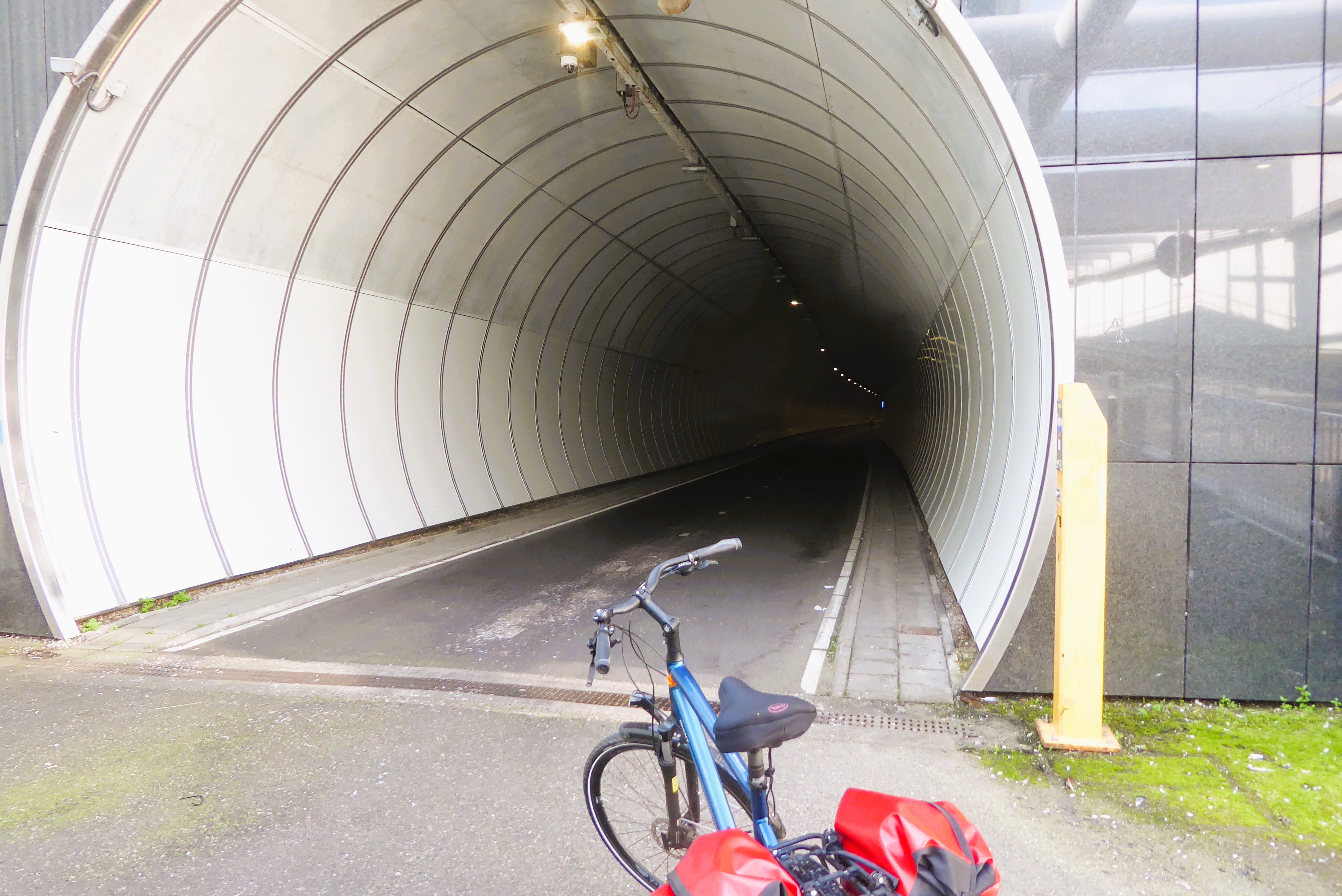
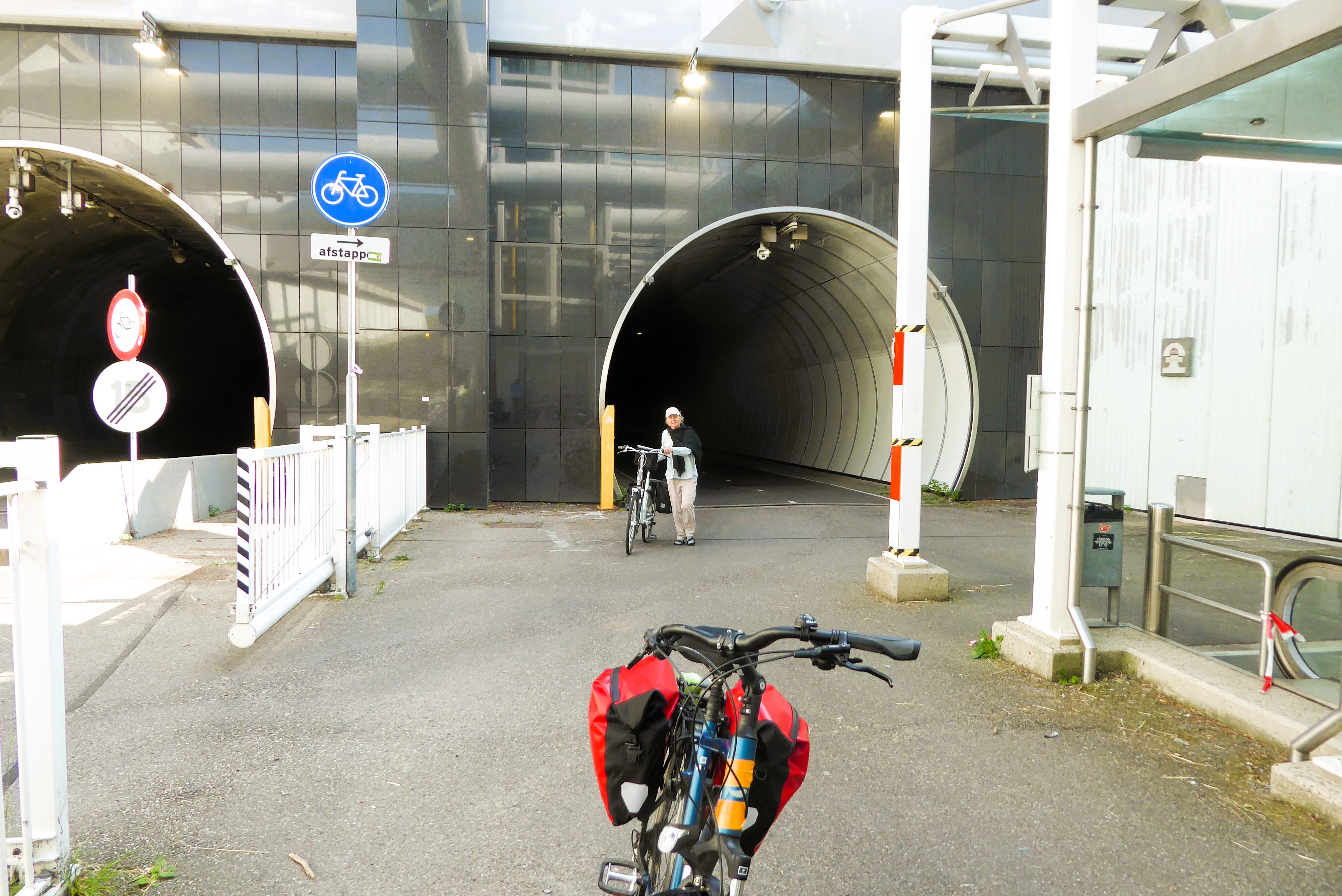
Shortly after departing our apartment we had to ride under the river Maas – a busy water way about a kilometre wide, via a special bike riding tunnel.

On the way south, the ubiquitios dykes – and sheep.
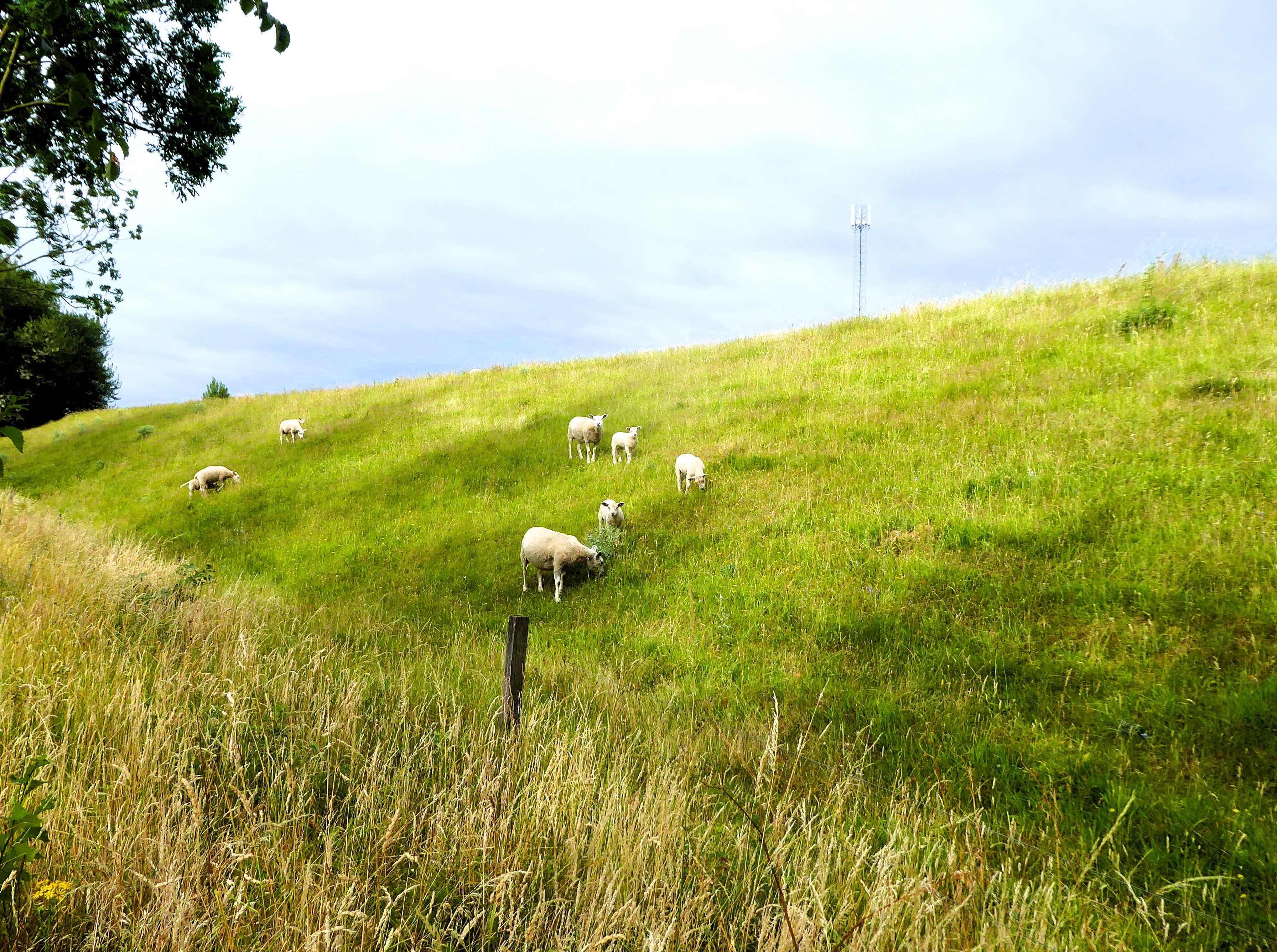
It’s a familiar scene and one a good thousand years old.
The sheep are only seen on the dykes – never in fields – becasue they play an essential part in maintaining the dykes; firstly, they eat back the grass (if it gets too long this weakens the dyke), secondly, their feet, compact the earth on the dyke, strengthening it (the feet of larger mammals such as cows or horses would have the opposite effect). The sheep are never eaten (sheep meat is only consumed in the Middle East, the UK, Australia and New Zealand – but not on mainland Europe and certainly not in The Netherlands).
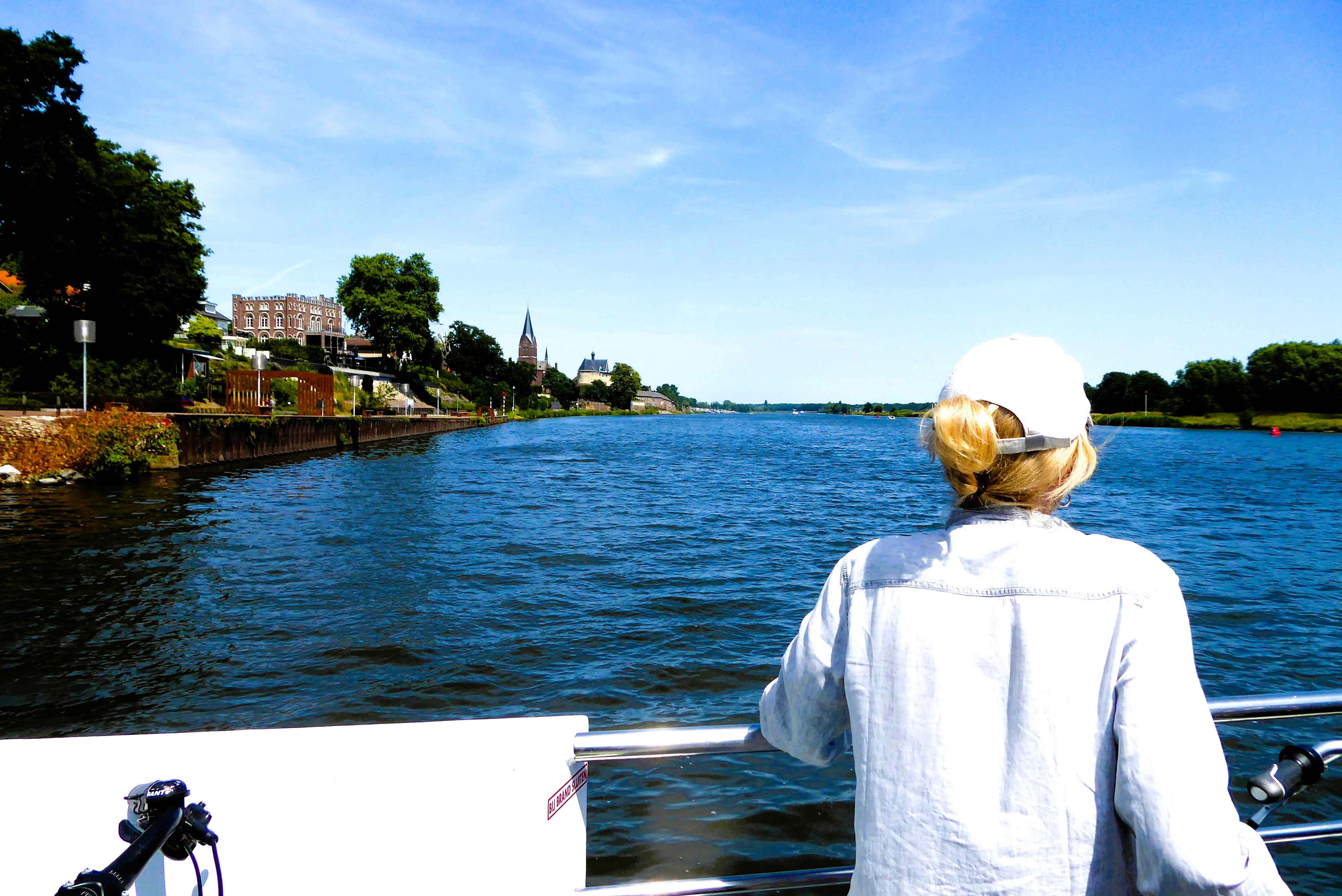
Crossing a river by ferry….
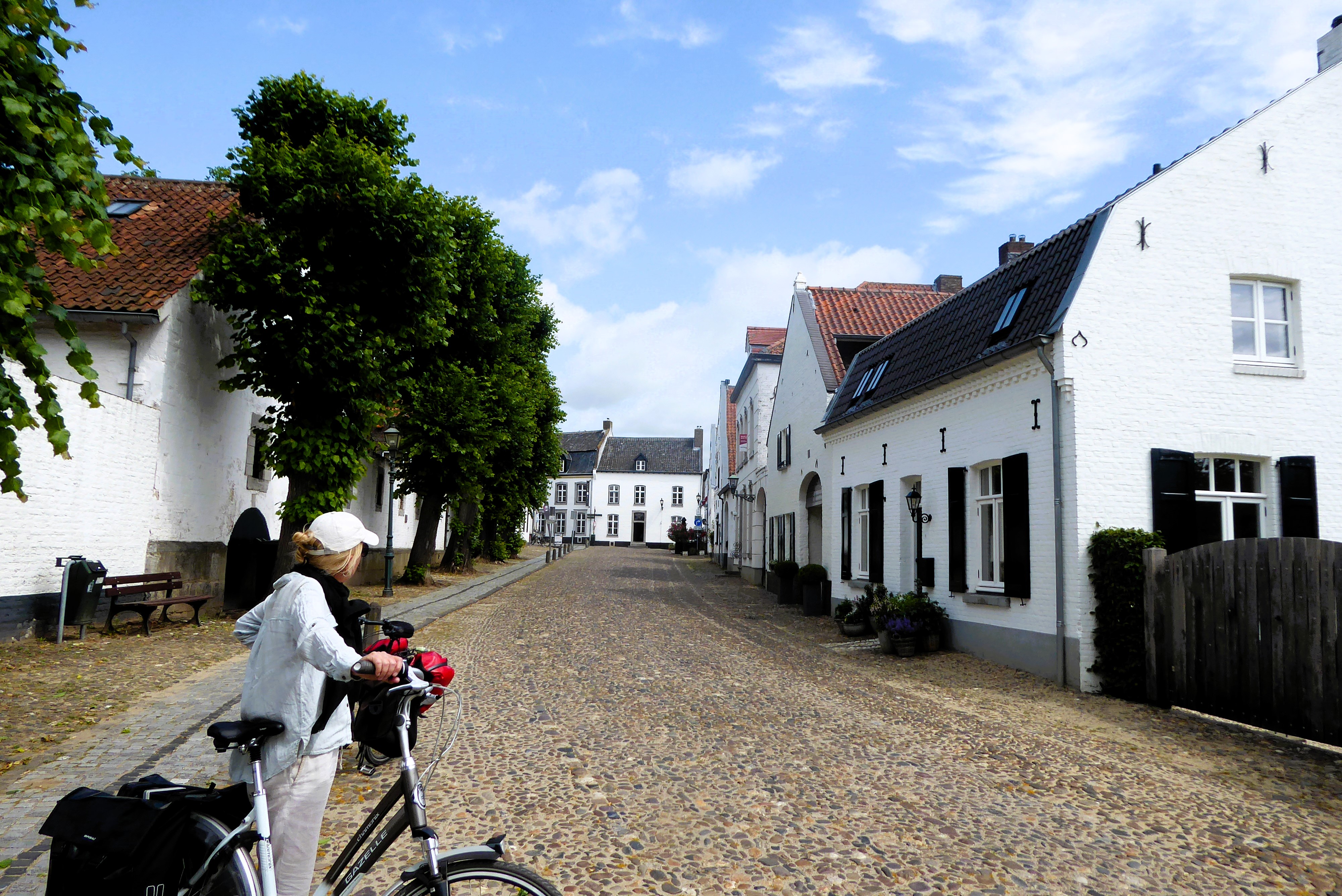
The last village before the border….
And then Flanders.
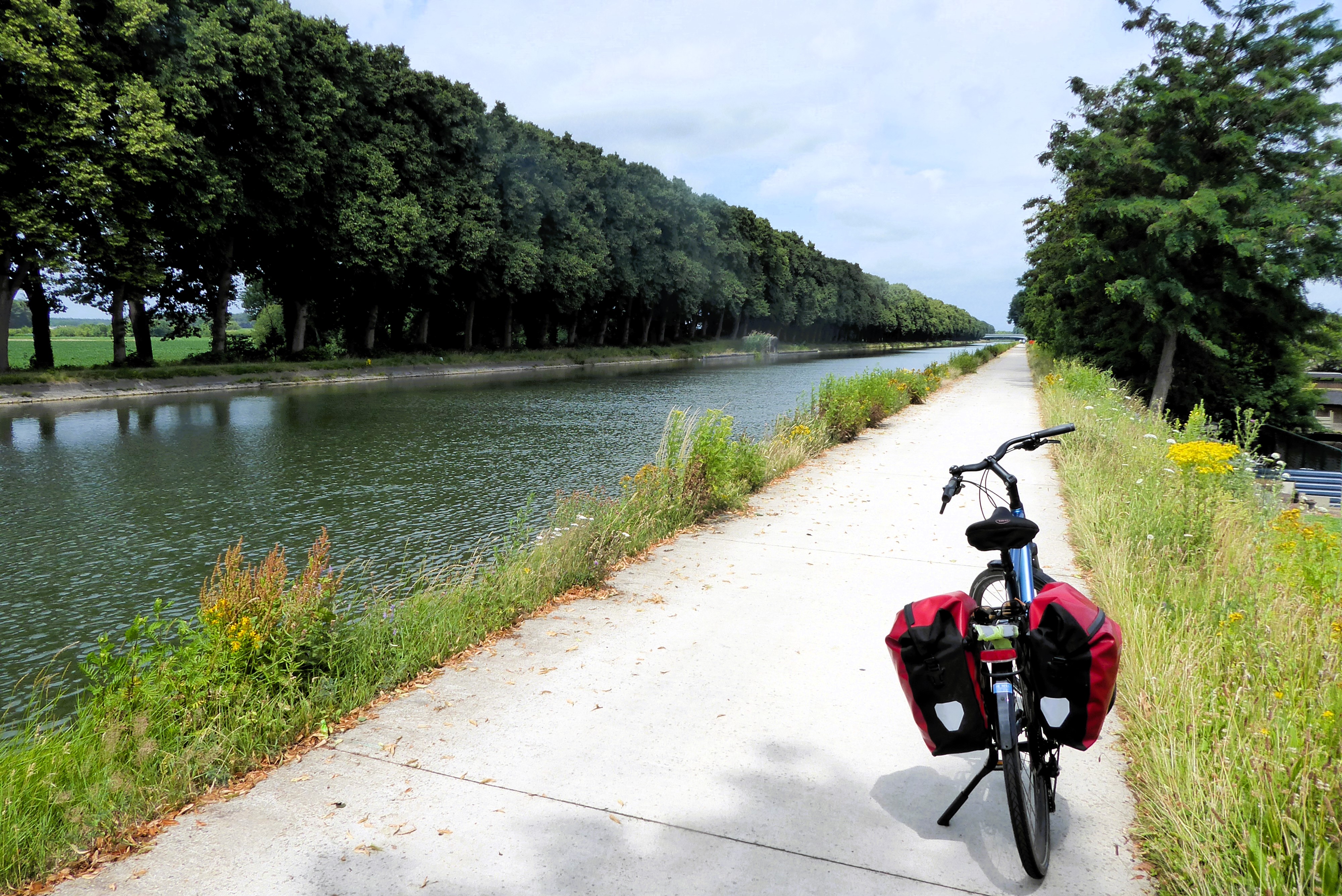
Unlike The Netherlands, with its multiplicity of canals of all sizes and shapes, from the very small to the very big, the canals in Flanders are long, large, straight tracts of water, plied by small ships as well as barges. The bike trails along the sides of the canals often take the best part of a day to traverse….

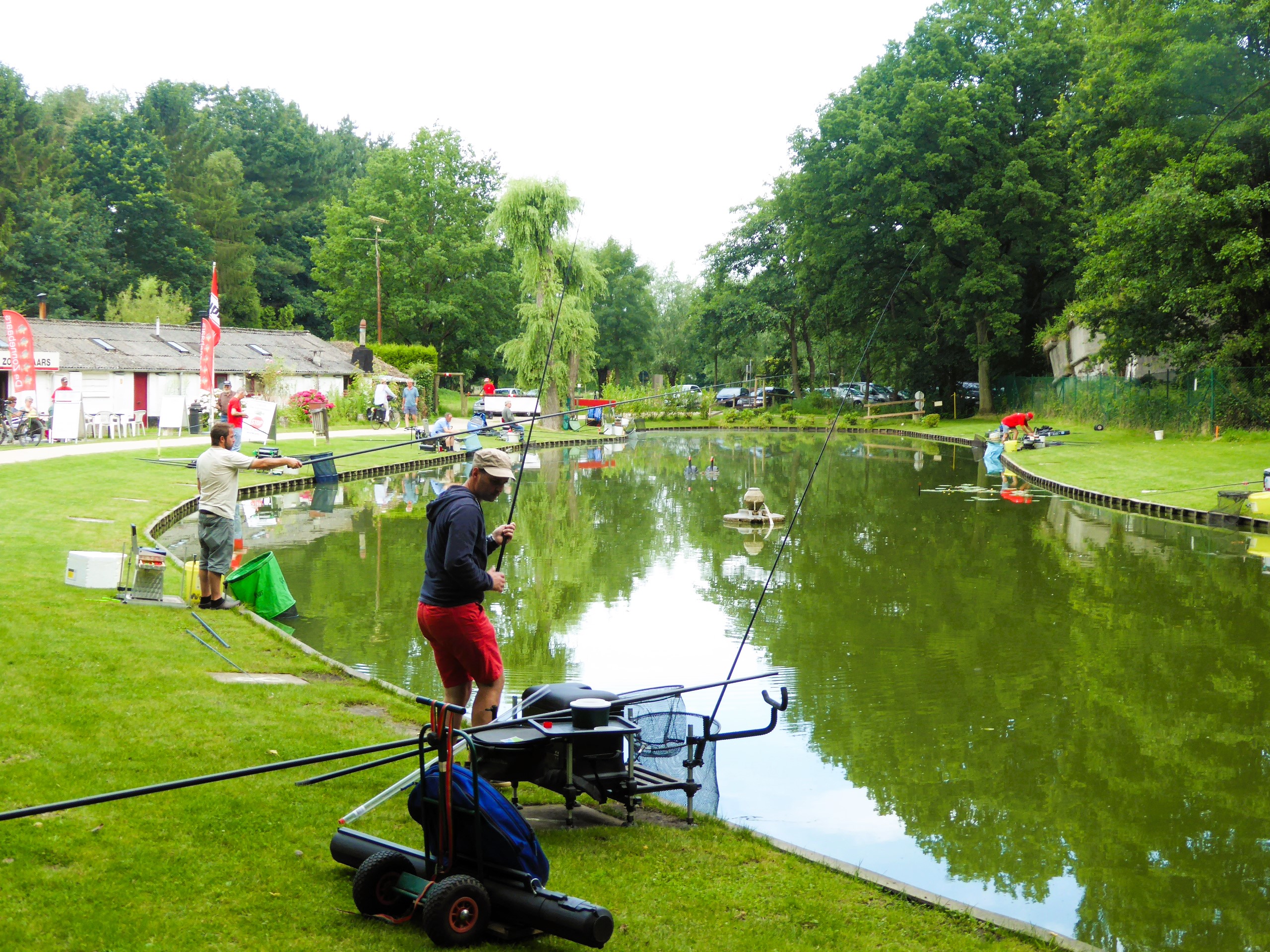
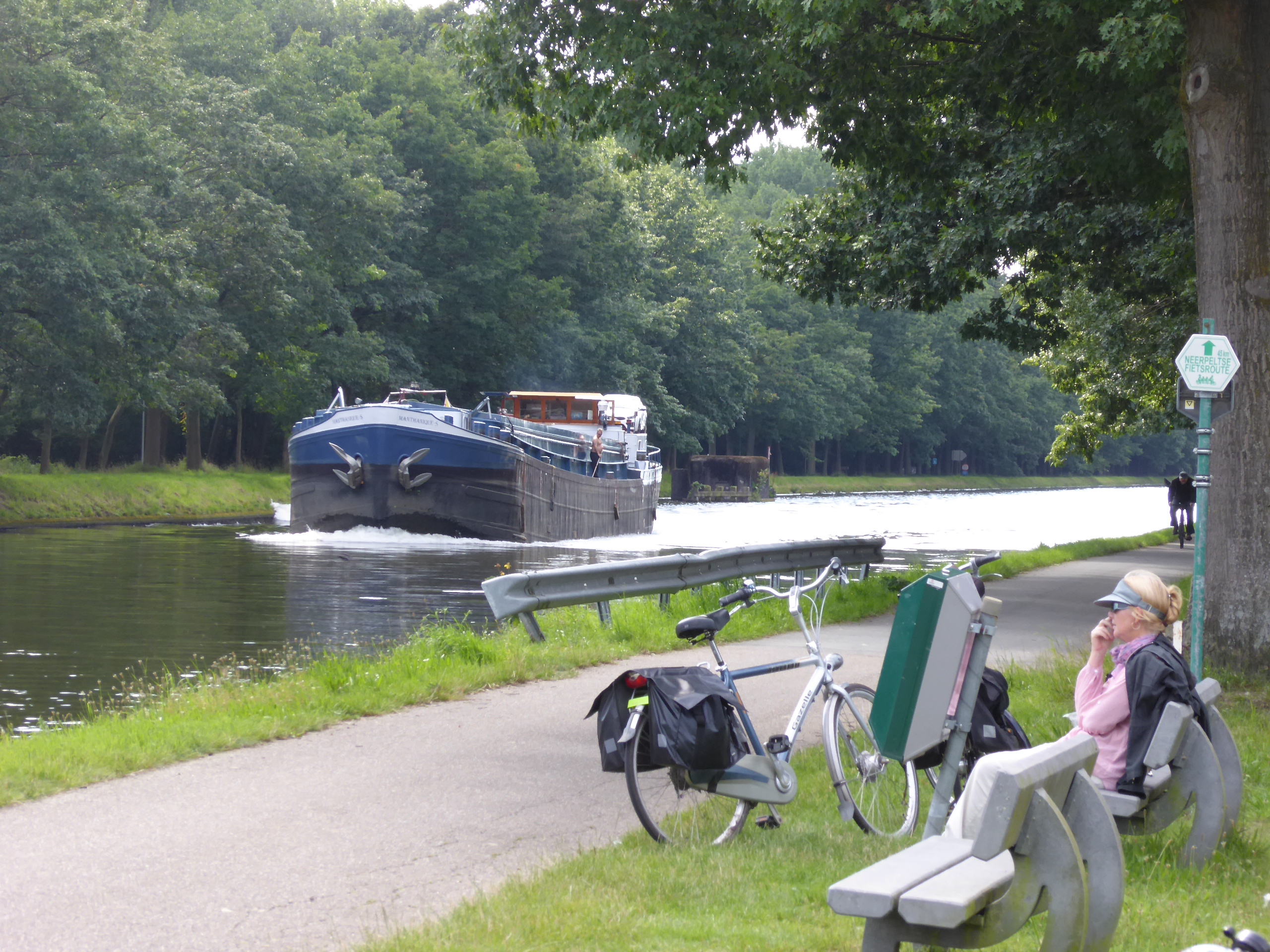
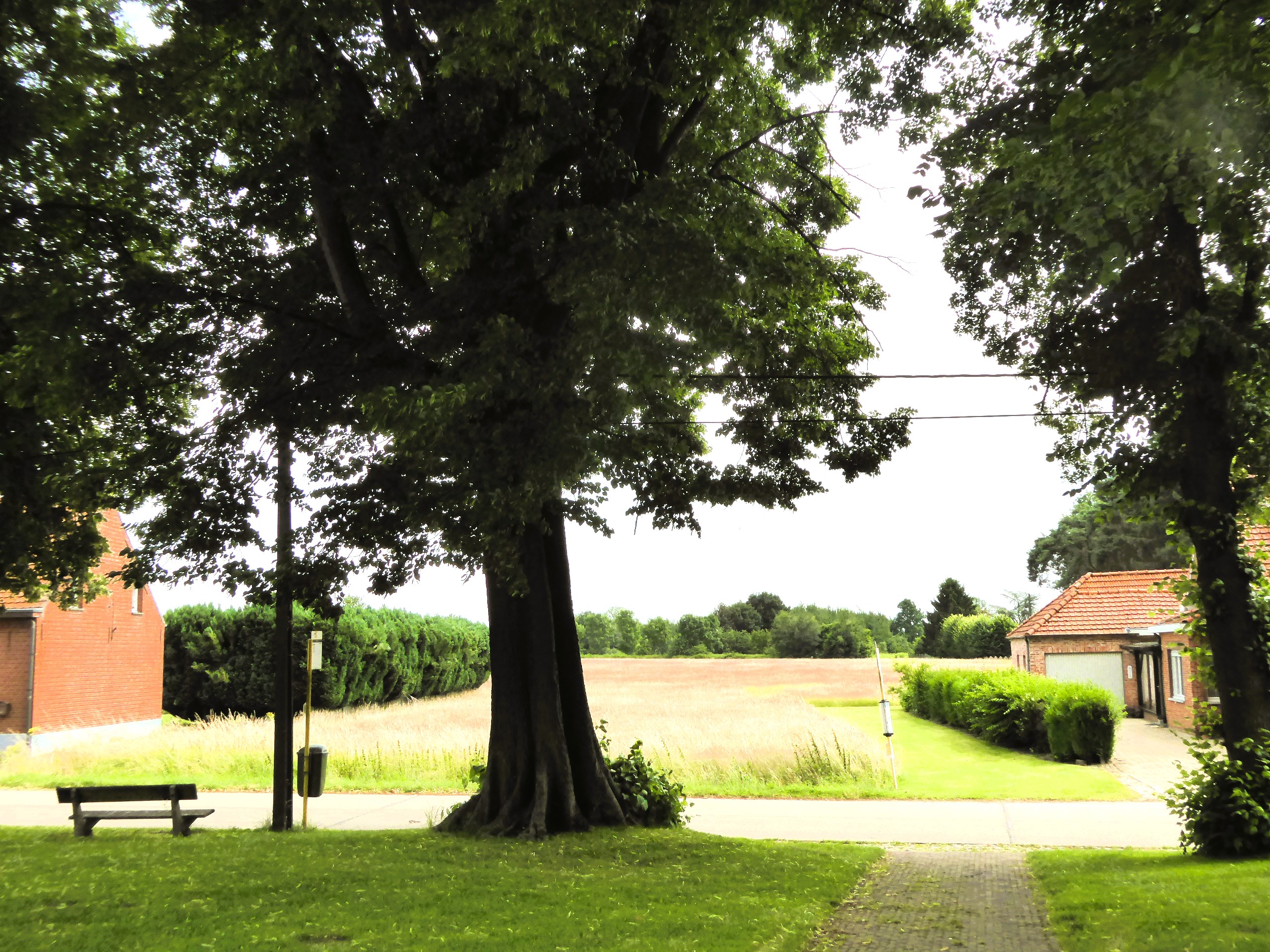
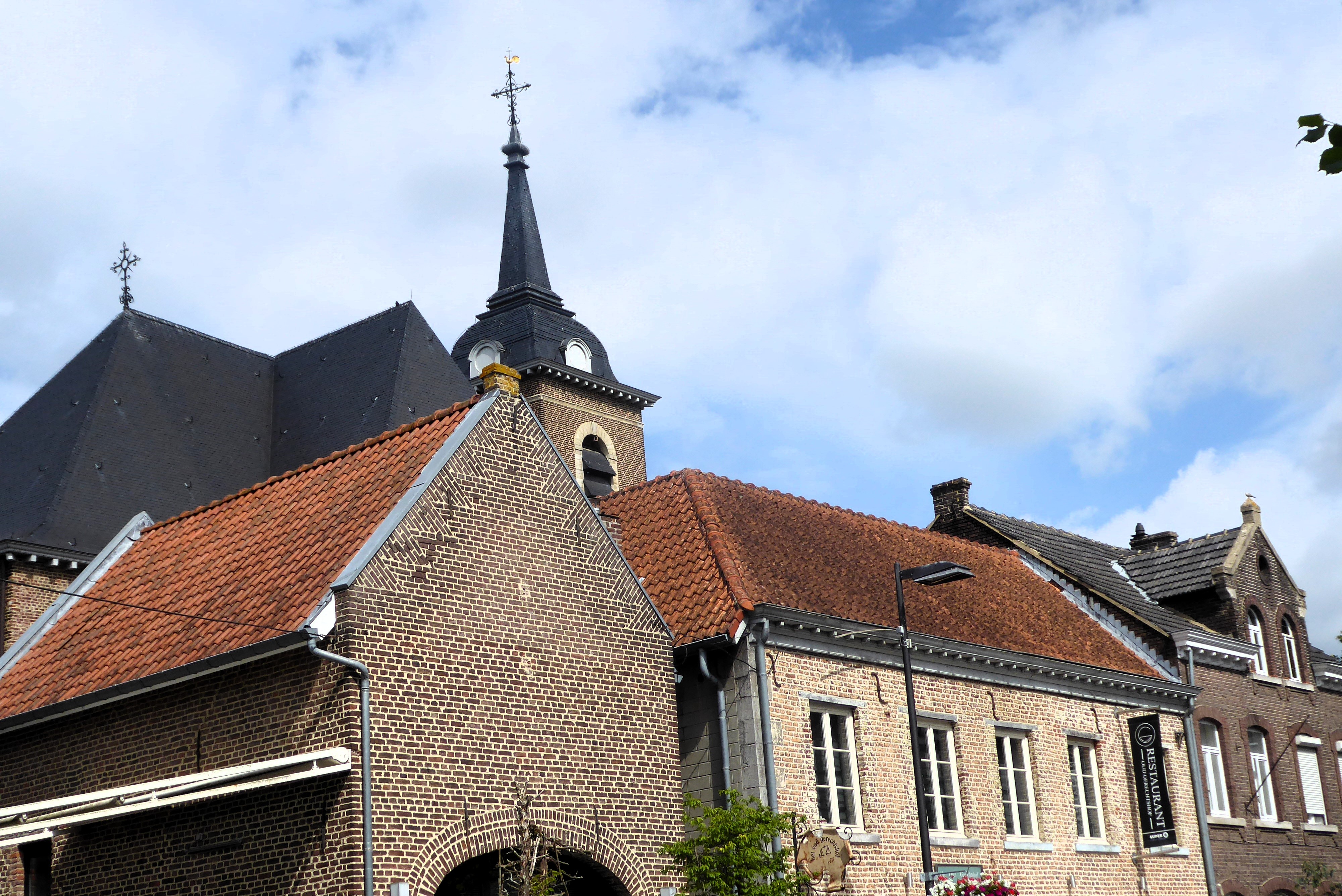
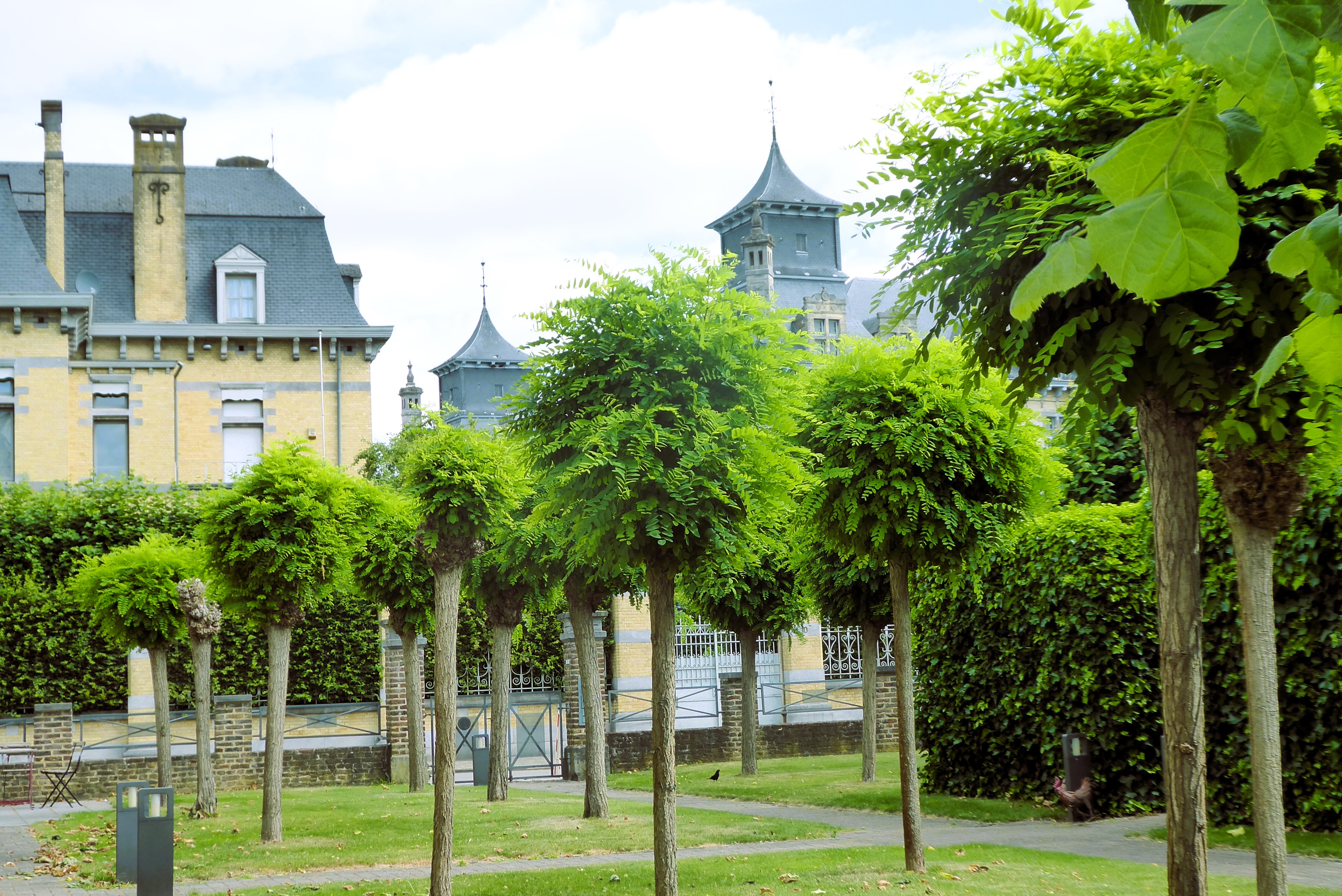
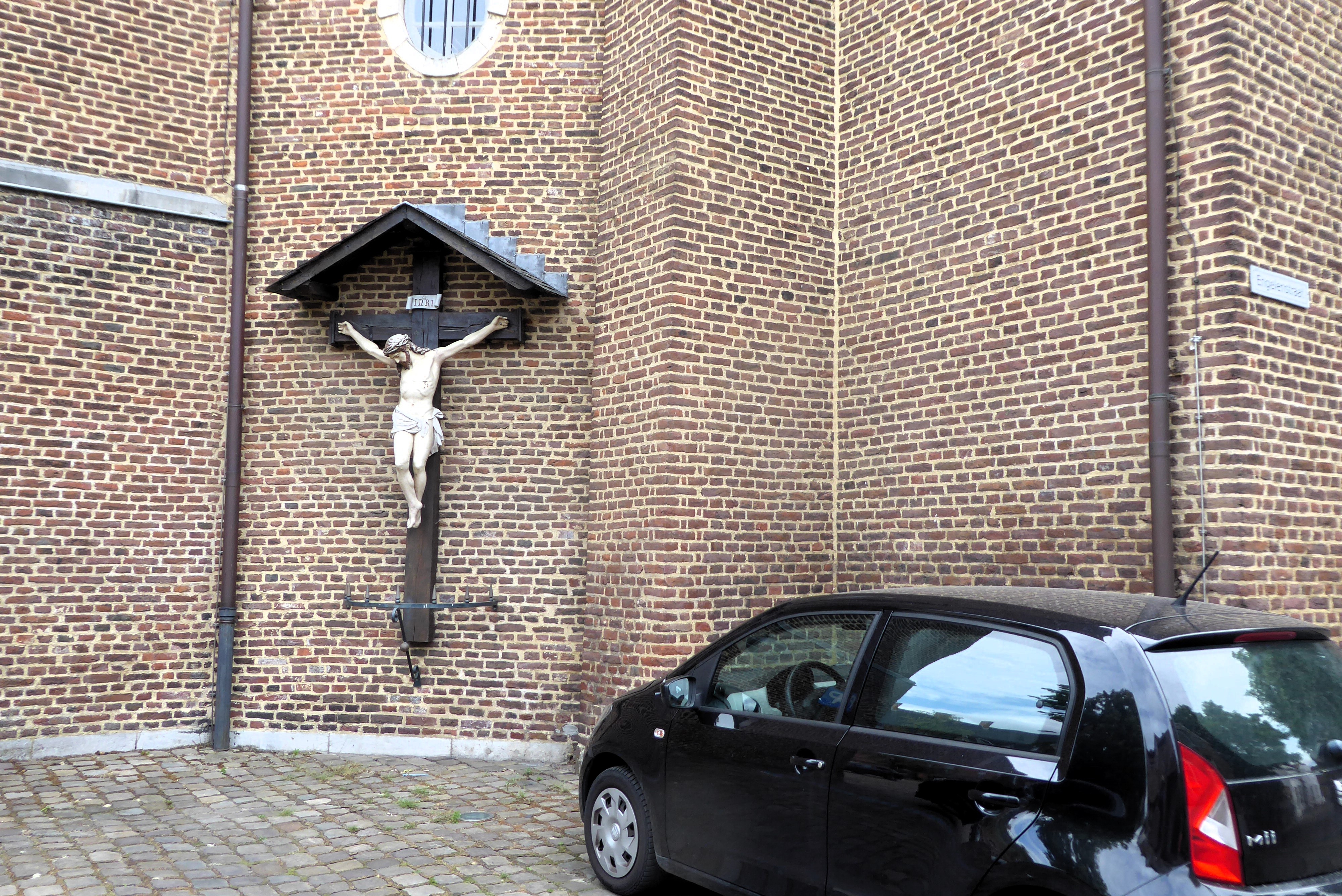
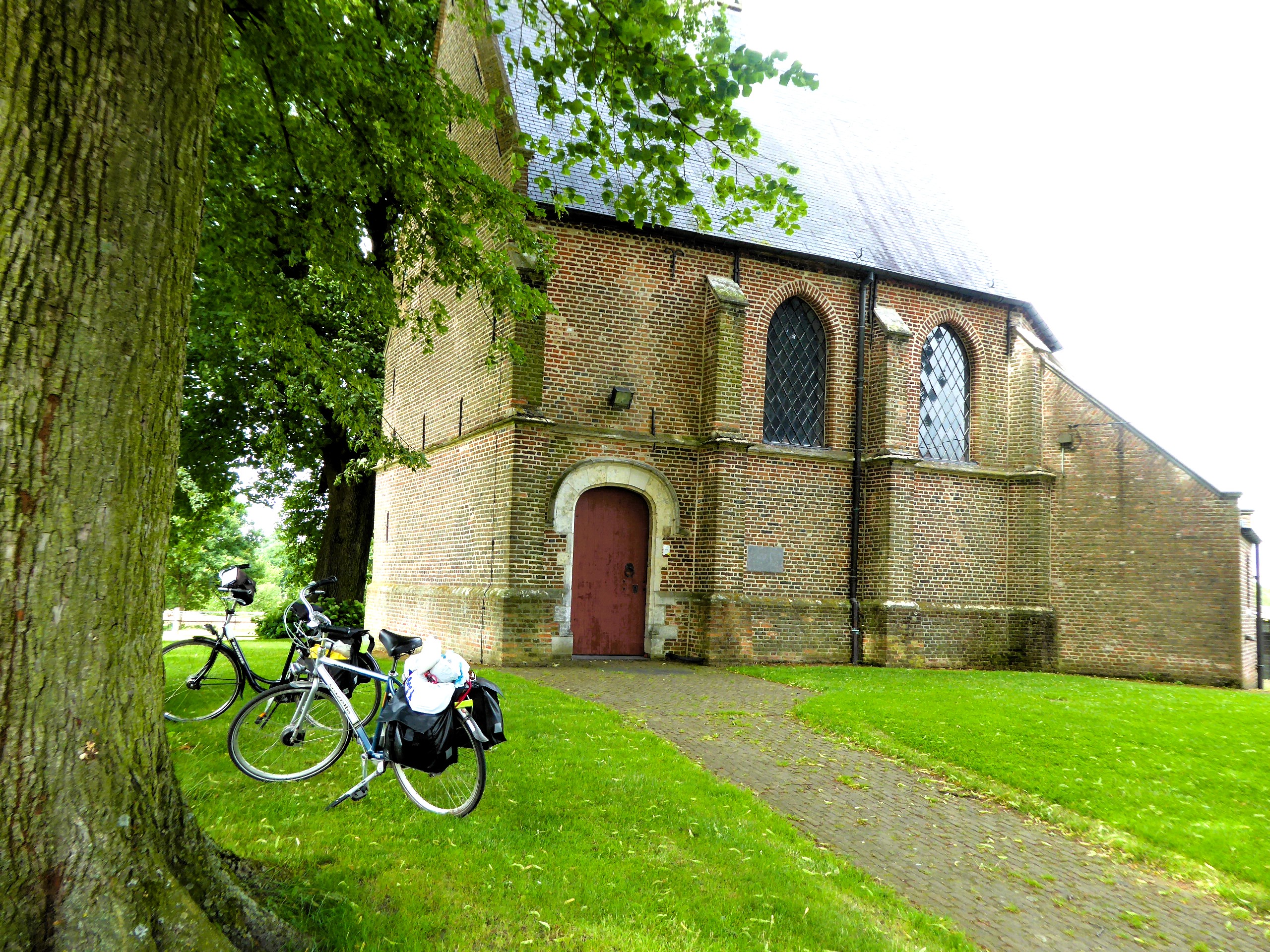
And the historic buildings quite different reflecting a different history, even though the Dutch and Flemish share the same language….
Categories: Belgium, Europe, Flanders, The Netherlands
 Serious Travel Images